效果预览 AR 预览 切换至版画销售渠道 切换至数字图像销售渠道 分享
详情 加入收藏 下载 相似作品 X射线 幻灯片播放 统计数据

《圣职》

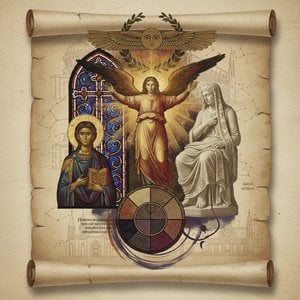
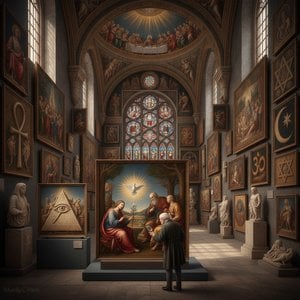
《圣职》:西班牙文艺复兴时期大师卡瓦哈尔的杰作,以其对圣灵节庆祝活动的精湛绘画技巧和对哥特式传统风格的巧妙运用而闻名于世。作品展现了虔诚与艺术美学的和谐统一。

Explore the masterful works of Luis de Carbajal, a Spanish painter renowned for religious scenes & cathedral art. Discover his legacy in Toledo & beyond!

手工油画复制品

由我们的艺术家按需定制,为您提供您所选尺寸及画框的布面手工油画。 ( 切换至版画销售渠道 切换至数字图像销售渠道)

P118B $10
P118H $10
P118W $10
P438Z $10
P508JH $12
P508YH $12
P805H $10
P805Z $10
P919BZ $10
P919G $10
P919XJ $10
P959ZH $10
P968JZ $12
W106C $8
W218G $10
W218JH $8
W218Y $10
W307PJ $10
W316G $10
W316PJ $8
W316Y $10
W398PJ $8
W4111J $10
W500HY $15
W500JH $15
W692G $12
W849H $8
W940BG $15
W953PJ $8

标准尺寸
定制
CM
INCH

从与原作比例一致的预设尺寸中进行选择。

宽度
高度

您可以输入自定义尺寸,以适配特定的画框或空间。如果所选尺寸与原图比例不符,我们将通过裁剪作品或添加手绘元素来扩展画面。数字样稿将在制作开始前发送给您确认。
请注意,屏幕预览无法准确反映实际的裁剪或扩展效果,只有样稿才能真实呈现最终的构图。
虽然我们提供定制尺寸服务,但为了保留原作比例,建议您从预设列表中选择尺寸。

可定制示例:将面部替换为客户照片;添加宠物(例如,将猫替换为狗);在背景中加入隐藏信息;更改背景风景或元素。
下单后,WahooArt.com 团队将通过电子邮件联系客户获取具体要求,并提供效果预览图。

全球配送(),仅需 3-4 周即可送达,无需等待标准时效的 5 周。(16 September)。品质绝不妥协。

why_choose_icon
全球免费特快专递服务
why_choose_icon
优质亚麻画布
why_choose_icon
全程运输保险
why_choose_icon
关税退款保证
why_choose_icon
色彩还原度保证
why_choose_icon
100天退货政策(仅限瑕疵品)
why_choose_icon
100%退款保证
why_choose_icon
多件购买优惠

总计金额

$ 272

reproduction

《圣职》

复制材质

复制品尺寸

-

最终总价

$ 272

作品概览

  • Movement: Mannerism
  • Artistic style: Naturalistic
  • Location: Museo del Prado
  • Medium: Oil on canvas
  • Year: 1580
  • Notable elements or techniques: Detailed depiction of religious scene
  • Artist: Luis de Carbajal

艺术知识测试

每道题只有一个正确答案。

题目 1:
What is the title of this painting?
题目 2:
In what city was Luis de Carbajal born?
题目 3:
Approximately when was this painting created?
题目 4:
What artistic style is predominantly represented in this artwork?
题目 5:
Where can you find a reproduction of this painting?

Luis de Carbajal: Toledo’s Gothic Soul Transformed

Luis de Carbajal (c. 1531 – after 1618), born in Toledo, Spain, stands as one of the most prolific and influential painters of the Spanish Renaissance, particularly renowned for his monumental cathedral altarpieces that embody the grandeur and spiritual fervor of the era. While overshadowed by contemporaries like El Greco—with whom he shared a formative artistic connection—Carvajal’s distinctive style cemented his place in art history as a pivotal figure in Toledo’s artistic revival and a masterful interpreter of Gothic sensibilities adapted to the burgeoning humanist spirit. His output spanned decades, leaving behind an impressive legacy that continues to inspire admiration for its meticulous detail and emotive power. ### The Crucible of Influence: Early Training & El Greco's Legacy Carvajal’s formative years coincided with El Greco’s arrival in Toledo, establishing himself as a teacher and fostering a stylistic dialogue that would profoundly shape Carbajal's artistic vision. This mentorship instilled in him a fascination for dramatic lighting—a hallmark of El Greco’s Mannerist style—and an unwavering commitment to conveying spiritual depth through meticulously rendered figures. The influence of Villoldo, another prominent Toledo artist, contributed to his understanding of classical proportions and compositional balance, grounding his work in humanist principles alongside religious devotion. This confluence of artistic traditions ensured that Carbajal's oeuvre would never be merely decorative but always imbued with profound symbolic meaning. ### Cathedral Altarpieces: Monumental Expressions of Faith – The Pinnacle of His Artistry Carvajal’s fame rests primarily on his monumental cathedral altarpieces—a genre that flourished during the Habsburg reign and served as a powerful vehicle for disseminating theological narratives. His most celebrated commissions included seven canvases depicting saints for the Escorial Cathedral, commissioned by Philip II to commemorate the Holy Spirit. These works exemplify Carbajal's mastery of technique: he employed oil paint on canvas with painstaking precision, layering translucent glazes to achieve luminous effects and capturing subtle nuances of expression in his figures. The composition—characterized by pyramidal structures and dramatic diagonals—mirrors the architectural grandeur of the cathedral itself, reinforcing its symbolic significance as a locus of divine presence. Each saint is portrayed with palpable emotion, conveying not merely doctrinal correctness but also spiritual contemplation. ### Gothic Revival & Symbolism: Echoes of Tradition Revisited Carvajal’s artistic approach wasn't simply about replicating religious iconography; it was about reimagining Gothic traditions within the framework of Renaissance humanism. He deliberately incorporated elements reminiscent of medieval art—such as stylized drapery and elongated figures—to evoke a sense of solemn reverence and to honor Toledo’s rich ecclesiastical heritage. The saints depicted are not merely representations of biblical figures but embodiments of virtues – compassion, humility, courage – reflecting the moral values championed by humanist thinkers. Furthermore, Carbajal's meticulous attention to detail—from the folds of robes to the expressions on faces—demonstrates a profound understanding of human psychology and elevates his paintings beyond mere visual spectacle into emotionally resonant experiences. These altarpieces stand as testament to Carbajal’s skill, creativity, and unwavering commitment to conveying the sublime – a legacy that secures his place among Spain’s greatest artists and ensures that his masterpieces endure for generations to come. ### Rediscovery & Artistic Significance: A Toledo Treasure Revisited Today, Carbajal’s canvases reside primarily in the Museo del Prado in Madrid, where they continue to captivate audiences with their breathtaking beauty and spiritual depth. Recent scholarship has illuminated the significance of his work within the broader context of Toledo’s artistic revival—a period marked by a renewed interest in classical ideals alongside an enduring devotion to Christian faith. His paintings serve as a poignant reminder of the power of art to inspire contemplation and elevate the human spirit, securing Carbajal's place as one of Spain’s most revered painters and guaranteeing that his legacy continues to resonate with connoisseurs and scholars alike.

艺术家简介

The Radiant Legacy of Luis de Carbajal

In the heart of Toledo, a city where the echoes of medieval devotion meet the burgeoning light of the Renaissance, the life of Luis de Carbajal unfolded as a profound testament to spiritual and artistic endurance. Born around 1531, Carbajal emerged from the vibrant, intellectually charged atmosphere of Spain’s most storied religious center. While history often casts a long shadow through the ethereal mysticism of El Greco, Carbajal stands as a monumental figure in his own right—a master who bridged the gap between the soaring, structural grandeur of the Gothic tradition and the nuanced, humanistic spirit of the Spanish Renaissance. His journey was one of deep connection to the sacred, moving through the halls of cathedrals and royal monasteries, leaving behind a visual legacy that captured the very soul of an era defined by faith.

The foundations of Carbajal’s artistry were laid within the prestigious workshops of Toledo, under the guidance of masters like Juan de Villoldo. This early training provided him with a rigorous understanding of classical proportions and compositional balance, yet it was his encounter with the transformative energy of El Greco that truly ignited his creative vision. From this connection, Carbajal embraced the dramatic power of chiaroscuro, learning to manipulate light and shadow to evoke deep emotional resonance. Unlike the more otherworldly, elongated figures of his contemporary, Carbajal’s work maintained a grounded, architectural dignity. He drew inspiration from the very bones of Toledo—its ribbed arches, vaulted ceilings, and stained glass—incorporating these Gothic elements into his canvases to create spaces that felt both physically immense and spiritually intimate.

A Master of the Altarpiece and Royal Commission

Carbajal’s career was marked by an extraordinary level of productivity, with estimates suggesting he produced over 300 works during his long life. His talent earned him the prestigious distinction of being named a painter for King Philip II of Spain, a role that placed him at the epicenter of the Spanish Golden Age. His brush traveled through the most sacred corridors of the empire, from the intimate oratories of the Pardo Palace to the imposing halls of the monastery in El Escorial. One of his most significant achievements was the creation of seven large-scale canvases for the church of the Escorial in 1570, where he masterfully paired saints such as Cosme and Damián, and Cecilia and Barbara, weaving complex theological narratives into single, cohesive compositions.

His ability to command large-scale religious subjects allowed him to become a primary architect of visual devotion. His works were not merely decorations but were essential tools for the dissemination of Catholic doctrine during a period of intense religious fervor. Through his meticulous attention to detail and his ability to render the divine within a tangible, earthly framework, he achieved several notable milestones:

  • Monumental Altarpieces: He specialized in massive cathedral commissions that served as the focal points for liturgical worship, embodying the grandeur of the Habsburg reign.
  • Narrative Depth: His paintings, such as the Circumcision, utilized dramatic lighting to guide the viewer's eye through complex biblical stories.
  • Ecclesiastical Influence: By decorating the Archbishop's chapel in Toledo and various convent cloisters, he shaped the visual identity of the Spanish Church.

Historical Significance and Enduring Spirit

The historical importance of Luis de Carbajal lies in his role as a stabilizer of tradition during a time of radical artistic change. While the art world moved toward the more distorted and emotive Mannerism, Carbajal provided a sense of continuity, anchoring the new humanist ideas within the familiar, comforting language of Gothic architecture and classical balance. He was a painter who understood that to move the heart, one must first respect the structure of the faith. His work remains a vital link in the evolution of Spanish art, representing a moment when the medieval past and the Renaissance future existed in perfect, painted harmony.

Today, the traces of his genius can still be found in the great repositories of Spanish heritage, including the Museo del Prado in Madrid. To study Carbajal is to witness the pulse of Toledo itself—a master who took the stone and light of his homeland and transformed them into an eternal dialogue between the human and the divine. His life, stretching well into the 17th century, serves as a bridge across eras, ensuring that the spiritual gravity of the Spanish Renaissance would never be forgotten.

luis de carbajal

luis de carbajal

1531 - 1618 , Spain

艺术家简介

  • Artistic Movement Or Style: Religious Painting; Gothic Art Style
  • Artists Or Movements Influenced By This Artist: ['El Greco']
  • Artists Who Influenced This Artist: ['Alonso Berruguete']
  • Date Of Birth: 1531
  • Full Name: Luis de Carbajal y de la Cueva
  • Nationality: Spanish
  • Notable Artworks: ['Circumcision']
  • Place Of Birth: Toledo, Spain
探索按主题、风格和特征分类的艺术作品。