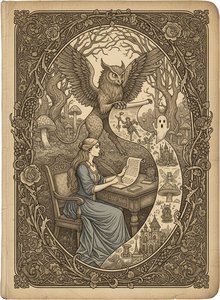
Dedication of the Alexandra Palace to the Public - Scenes in the Grounds: A Victorian Snapshot
Joseph Holland Tringham’s masterful depiction captures a pivotal moment in London's social landscape—the grand unveiling ceremony for the Alexandra Palace, commemorating Queen Victoria’s Diamond Jubilee. Executed in 1901, this black and white watercolor exemplifies the meticulous observation characteristic of Victorian illustration, reflecting the era’s fascination with documenting public events and celebrating imperial grandeur.
- Subject Matter: The painting portrays a vibrant tableau of activity surrounding the palace grounds. Figures stroll leisurely amidst meticulously landscaped lawns and towering trees—a deliberate choice to convey an image of prosperity and civic pride.
- Style & Technique: Tringham’s technique is defined by delicate brushstrokes and precise shading, creating a sense of depth and realism that was paramount in capturing the atmosphere of the occasion. The artist skillfully utilizes tonal variation to illuminate key elements within the composition, guiding the viewer's eye.
- Historical Context: The Alexandra Palace itself served as a symbol of Victorian ambition—a colossal undertaking designed to showcase Britain’s industrial prowess and imperial dominion. Its dedication was a momentous occasion for the nation, marking Queen Victoria’s reign as one of unparalleled success.
Symbolism:
The inclusion of a boat on the river adds another layer of significance. Boats represented movement, progress, and connection to nature—themes central to Victorian ideals. Furthermore, it subtly underscores the palace's role as a hub for social interaction and cultural exchange.
Emotional Impact:
Looking at this artwork evokes a feeling of nostalgia for a bygone era—a time when public celebrations were grand spectacles and artistic skill was highly valued. The painting’s serene beauty invites contemplation on the passage of time and the enduring legacy of Victorian culture. It's more than just a depiction; it’s a window into the spirit of London at the turn of the century.
- Artist Background: Joseph Holland Tringham (1861-1908) emerged as a prominent illustrator during his lifetime, gaining recognition for his satirical sketches and meticulous renderings of landscapes and architectural spaces.
- Notable Commissions: His royal commissions—particularly those undertaken for King Edward VII and Queen Alexandra—demonstrate the esteem in which he was held by the British monarchy and underscore his ability to convey complex narratives through visual imagery.
Considerations for Reproduction:
A high-quality reproduction of “Dedication of the Alexandra Palace” would beautifully complement interior spaces, transporting viewers back to a period defined by elegance and artistic refinement. Its muted palette and detailed composition offer an exceptional opportunity to appreciate Tringham’s artistry and capture the essence of Victorian London.
Further Exploration
To delve deeper into Joseph Holland Tringham's oeuvre, explore his other celebrated works such as “The Turnshoe Maker,” showcasing his dedication to capturing realistic details and conveying social commentary. Discover more about Victorian illustration and its influence on artistic traditions through resources like Wikipedia:
Jewel in the Palace.