The Garden Gate
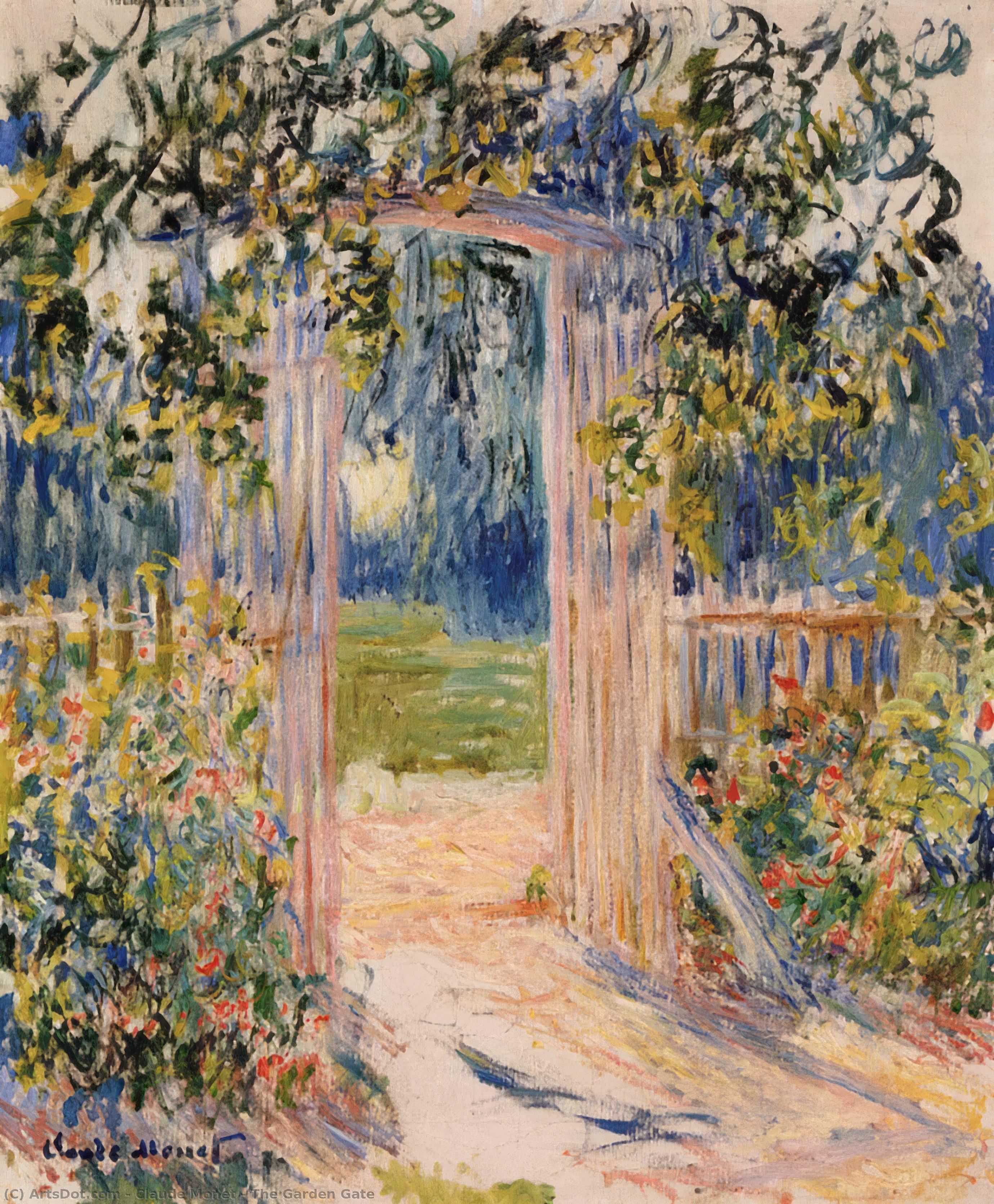
Claude Monet’s “The Garden Gate,” painted in 1881, isn't merely a depiction of a garden scene; it’s an exquisite distillation of Impressionist philosophy – a fleeting moment captured with light and color, inviting the viewer into a world of sensory experience. Measuring 73 x 60 centimeters, this oil on canvas offers a remarkably intimate glimpse into Monet’s artistic process and his profound connection to nature. The painting immediately establishes a sense of tranquility, achieved through a carefully orchestrated palette dominated by lush greens, soft pastels, and the dappled light filtering through the trees. It’s a scene that whispers of quiet contemplation and the simple pleasures of rural life – a stark contrast to the bustling urban landscapes increasingly prevalent in 19th-century Paris.
A Masterclass in Impressionist Technique
Monet's genius lies not just in his subject matter, but in his revolutionary approach to painting. “The Garden Gate” exemplifies this perfectly. He employs a technique characterized by loose, visible brushstrokes – a hallmark of the Impressionist movement – that seem almost hesitant, as if capturing the very essence of light and atmosphere rather than meticulously rendering form. Notice how he doesn’t attempt to define the individual leaves or branches; instead, they are suggested through broken color and texture, creating an overall impression of vibrant foliage. The use of complementary colors—the greens against the yellows and browns—intensifies the visual impact and adds a dynamic quality to the scene. The painting is imbued with a sense of movement, as if the breeze rustles through the leaves and the sunlight dances across the garden path. This isn’t about photographic realism; it's about conveying *feeling* – the warmth of the sun, the freshness of the air, the invitation to step into this idyllic space.
Historical Context & The Impressionist Movement
Painted during a period of significant artistic upheaval, “The Garden Gate” emerged from the burgeoning Impressionist movement—a reaction against the rigid conventions of academic painting. Artists like Monet and Renoir rejected idealized representations of reality in favor of capturing immediate sensory impressions. They challenged the Salon’s insistence on polished surfaces and detailed depictions, prioritizing instead the fleeting effects of light and color as perceived by the eye. This bold decision to prioritize subjective experience over objective observation was fueled by advancements in scientific understanding of optics—particularly Helmholtz's work on color perception—which demonstrated that human vision isn’t a passive process but actively interprets incoming stimuli. The Impressionists sought to emulate this process, striving to reproduce what they *saw*, not necessarily what they knew existed.
Symbolism Within a Simple Scene
Beyond its technical brilliance, “The Garden Gate” is rich in subtle symbolism. The gate itself acts as a portal, both literal and metaphorical. It’s an open invitation – a suggestion of hidden beauty and tranquility beyond the visible frame. The overgrown climbing plants that adorn it speak to the passage of time and the natural cycle of growth and decay. They also subtly obscure the view, adding an element of mystery and encouraging the viewer's imagination to fill in the details. The bench nestled near the gate suggests a place for rest and reflection – a sanctuary within the garden. The tall trees in the background provide shade and depth, anchoring the scene while simultaneously hinting at the vastness of nature. It’s a carefully constructed composition designed to evoke a sense of peace and wonder.
Emotional Impact & Artistic Legacy
“The Garden Gate” transcends its formal qualities to communicate profound emotions—a feeling of serenity, nostalgia, and connection to the natural world. Monet's masterful use of color and light captures not just what he saw but how he *felt*, transporting the viewer back to a moment of idyllic beauty. This painting remains an enduring emblem of Impressionism’s core principles: prioritizing subjective experience and celebrating the transformative power of art. Its influence can be seen in countless subsequent works by artists who sought to emulate Monet's innovative approach—solidifying his place as one of the most important figures in modern art history. Owning a reproduction allows you to appreciate this timeless masterpiece and immerse yourself in the spirit of Impressionism.
WahooArt.com offers exquisite, hand-painted reproductions of “The Garden Gate,” allowing you to bring this timeless masterpiece into your home or office. Explore our collection today and experience the magic of Monet’s vision.



 效果预览
效果预览
 购买印刷品
购买印刷品 分享
分享 分享
分享
 详情
详情

 下载
下载
 相似作品
相似作品 X射线
X射线 幻灯片播放
幻灯片播放


 展开详情
展开详情






































 玻璃选项仅适用于110厘米以下的尺寸。