
x































从与原作比例一致的预设尺寸中进行选择。

您可以输入自定义尺寸,以适配特定的画框或空间。如果所选尺寸与原图比例不符,我们将通过裁剪作品或添加手绘元素来扩展画面。数字样稿将在制作开始前发送给您确认。
请注意,屏幕预览无法准确反映实际的裁剪或扩展效果,只有样稿才能真实呈现最终的构图。
虽然我们提供定制尺寸服务,但为了保留原作比例,建议您从预设列表中选择尺寸。

The Mirror
复制品尺寸
In the quiet, opulent corners of late 19th-century British art, few works capture the delicate intersection of beauty and introspection as masterfully as Sir Francis Bernard (Frank) Dicksee’s The Mirror. Painted in 1896, this breathtaking portrait serves as a window into the Romantic ideals of the Victorian era, where every texture and gesture was imbued with profound meaning. The painting presents us with a woman of remarkable grace, seated in a moment of private contemplation. Draped in a luminous golden garment that seems to catch the very essence of candlelight, she holds a crimson hand mirror, her gaze fixed upon her own reflection. This simple act of looking becomes a complex narrative of self-discovery, inviting the viewer to step into a world where luxury and soulfulness coexist in perfect harmony.
The technical brilliance of Dicksee is on full display through his meticulous attention to the tactile qualities of the scene. One can almost feel the heavy, silken weight of the woman's gown and the cool, smooth surface of the pearls adorning her neck. The artist employs a rich, warm palette dominated by golds, deep reds, and amber tones, creating an atmosphere of warmth and prestige. Through a sophisticated use of chiaroscuro, Dicksee directs the light to dance across the intricate patterns of the background tapestry and the reflective surface of the mirror, lending a three-dimensional depth that pulls the observer into the room. The composition is further enriched by subtle decorative elements—a delicate clock, an ornate vase, and leather-bound books—each contributing to a sense of refined, scholarly sophistication.
Beyond its surface splendor, The Mirror functions as a profound exploration of the human psyche. In the tradition of the Pre-Raphaelites, Dicksee utilizes objects not merely as ornaments, but as symbols of deeper truths. The mirror acts as a threshold between the external world and the internal self; it is an instrument of both vanity and introspection. As the subject gazes into the glass, she is not merely checking her appearance but is perhaps searching for her true identity amidst the trappings of wealth. This theme of self-reflection resonates powerfully with contemporary audiences, making the piece a timeless meditation on the nature of identity and the quiet moments of solitude that define our lives.
For the discerning collector or interior designer, this masterpiece offers more than just visual appeal; it provides an emotional anchor for a room. Whether placed in a grand library, a formal dining hall, or a sophisticated contemporary lounge, the painting brings with it a sense of historical weight and romantic mystery. A high-quality reproduction of this work allows one to curate a space that feels both curated and deeply personal, evoking the grandeur of a bygone era while maintaining a relevance that transcends time. It is an investment in atmosphere, a way to invite the quiet, dignified beauty of Dicksee’s vision into the modern home.

Sir Francis Bernard Dicksee, known affectionately to many as Frank, stands as a luminous figure in the tapestry of Victorian art history. Born in London in 1853, his life was destined for a profound engagement with the aesthetics of beauty and drama. He did not merely stumble into the world of fine art; rather, he inherited a deep artistic lineage from his father, Thomas Dicksee, whose early guidance instilled in the young artist a reverence for classical technique and narrative power. Growing up in the vibrant atmosphere of Fitzroy Square, Bloomsbury, Dicksee was immersed in a culture where the brushstroke was a tool for storytelling, laying the groundwork for a career that would eventually see him ascend to the highest echelons of the British art establishment.
His formal training began at the Royal Academy Schools in 1870, a period that provided the rigorous technical foundation necessary to execute his grander, more imaginative visions. While his roots were firmly planted in classical discipline, his spirit was deeply intertwined with the burgeoning interest in Pre-Raphaelite aesthetics. Although he was not an official member of the Pre-Rapha lite group, the influence of masters like Dante Gabriel Rossetti and William Holman Hunt is unmistakable in his work. From them, he adopted a commitment to capturing idealized beauty, often infused with mythological or literary references, and a dedication to meticulous detail that demanded the viewer's full, contemplative attention.
Dicksee’s oeuvre is celebrated for its ability to bridge the gap between historical documentation and romantic dreaming. He possessed a rare gift for transforming literary legends into breathing, emotive realities. One cannot discuss his contribution to art without reflecting on his hauntingly beautiful depiction of La belle dame sans merci. Inspired by the evocative poetry of John Keats, this masterpiece demonstrates his command over composition and expressive brushwork, transporting the viewer into a medieval world of enchantment and melancholy. Similarly, works such as The Mother showcase his ability to pivot from the epic to the intimate, capturing the tender essence of devotion and human connection with breathtaking realism.
Beyond the realm of legend, Dicksee was a master of portraiture, particularly noted for his exquisite renderings of fashionable women. These portraits were more than mere likenesses; they were studies in grace, elegance, and the subtle psychological depths of his subjects. Through the use of layering thin glazes of oil paint, he achieved a remarkable tonal subtlety and an atmospheric depth that allowed light to seem as though it were emanating from within the canvas itself. Whether portraying the contemplative gaze of a gentleman in John Belcher or the refined sophistication of Miss Edith Fitton, his technique always served the ultimate goal of emotional resonance.
The trajectory of Dicksee’s career was marked by consistent prestige and growing influence within the British art world. His talent was recognized early, leading to his election as a member of the Royal Academy in 1891. This ascent culminated in one of the most significant honors an artist could achieve: serving as the President of the Royal Academy in 1924. His contributions to the arts were so profound that he was knighted in 1925, a testament to his status as a pillar of his era. His work remains a vital window into the late nineteenth-century soul, reflecting a period defined by romantic idealism and an unwavering belief in the power of beauty.
Today, the legacy of Sir Frank Dicksee continues to inspire admiration among collectors and historians alike. His paintings, now housed in prestigious institutions such as the Bristol Museum and Art Gallery and the Haslemere Educational Museum, serve as enduring monuments to a vanished age of craftsmanship. He remains a definitive voice of the Victorian era, an artist who could weave together the threads of history, literature, and personal emotion into a seamless, luminous tapestry of light and color.
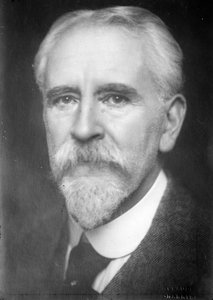
1853 - 1928

Explore the breathtaking world of the Pre-Raphaelite Brotherhood. Discover how this movement redefined Victorian art through vivid detail, mythological depth, and romanticism. An expert guide for classic art enthusiasts seeking to rediscover these timeless masterpieces.

Delve into the breathtaking Pre-Raphaelite Revolution. Explore the vivid colors, intricate details, and romantic symbolism of masters like Rossetti and Millais in this authoritative journey through 19th-century art history for true enthusiasts.

Explore the profound beauty of Victorian era art. From Pre-Raphaelite realism to romantic symbolism, our expert guide decodes the elegance and intricate detail of this historic movement for the true art enthusiast.

Explore the exquisite world of Victorian Realism. Discover how 19th-century masters captured unparalleled detail and emotion through oil painting, and learn to curate these timeless masterpieces for your luxury interior collection.


第一时间获取最新的艺术新闻、独家优惠及装饰灵感。
向我们介绍您的项目需求,我们的艺术专家将为您提供 3 个个性化的艺术品推荐。
由我们的专家为您精选 3 款心仪之作 —— 完全免费!


 效果预览
效果预览
 购买印刷品
购买印刷品 分享
分享 分享
分享
 详情
详情

 下载
下载
 相似作品
相似作品 X射线
X射线 幻灯片播放
幻灯片播放

 展开详情
展开详情









 玻璃选项仅适用于110厘米以下的尺寸。


