





























从与原作比例一致的预设尺寸中进行选择。

您可以输入自定义尺寸,以适配特定的画框或空间。如果您选择的尺寸与原图比例不符,我们将对作品进行裁剪,或通过镜像填充/纯色填充边缘的方式来扩展图像。在开始制作之前,我们会向您发送一份数字效果图供您确认。
请注意,屏幕上的预览并不能反映实际的裁剪或扩展效果。只有效果图才能准确展示最终的构图。
虽然我们提供定制尺寸,但为了保持原图比例,我们建议您从预设列表中选择尺寸。

Model near the wicker chair
复制品尺寸
Munch’s Model near the wicker chair depicts a woman standing with her back turned to the viewer, dressed in a white dress or bathing suit. The room is furnished with two chairs, one positioned near the left side and another closer to the right side of the scene. Two couches are also present, one on each side of the room, while a bottle is visible in the background, placed towards the top-left corner. The woman’s posture suggests that she is either looking at something or someone off-camera or simply posing for the artist.
The wicker chair, prominently featured in the title and composition, serves as a symbol of comfort and domesticity. However, its placement near the model creates an intriguing dynamic, hinting at a sense of isolation or contemplation. The use of muted colors and soft lighting adds to the overall atmosphere of introspection and quietude.
### Artistic Style and InfluenceMunch’s work is characterized by his bold and expressive brushstrokes, which are evident in Model near the wicker chair. The painting showcases his ability to blend realism with elements of Expressionism, creating a unique visual language.
This style was influential in shaping the course of modern art, particularly in the development of Abstract Expressionism. Munch’s technique—characterized by swirling lines and vibrant hues—challenged traditional artistic conventions and paved the way for artists to explore subjective experience rather than objective representation.
### Other Notable Works by Edvard MunchMunch's oeuvre includes several notable pieces that demonstrate his artistic range and depth:
These paintings exemplify Expressionism’s core tenets—emotional intensity, distortion of form, and a preoccupation with psychological states—solidifying Munch’s position as one of the foremost figures in modern art.
### ConclusionModel near the wicker chair by Edvard Munch is a thought-provoking work that invites viewers to ponder the emotions and thoughts of the model. The painting’s composition, symbolism, and artistic style make it a significant contribution to the world of Expressionism.
For those interested in exploring more of Munch's works or learning about other artists associated with the New York School Abstract Expressionist movement, Taro Yamamoto is an artist worth examining. At WahooArt, we offer high-quality, handmade oil painting reproductions of famous artworks, including those by Edvard Munch. Visit our website to discover more about his paintings and other masterpieces from the world of art.

1863 - 1944 , 瑞典
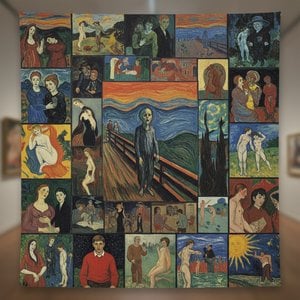
探索爱德华·蒙克25幅传世杰作,感受表现主义大师笔下的焦虑与灵魂深处。高清油画复制、艺术品购买及室内装饰灵感尽在WahooArt.com!发现更多经典名画。
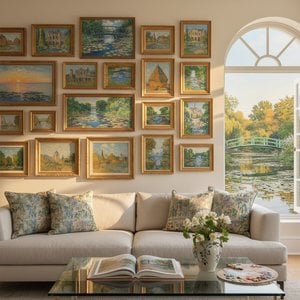
探索克劳德·莫奈25幅杰作,沉浸于印象派大师的光影世界。从《睡莲》到《日出·印象》,感受色彩与情感的完美交融。WahooArt.com提供博物馆级艺术复制品,为您的家居带来臻选装饰灵感!立即探索完整系列。
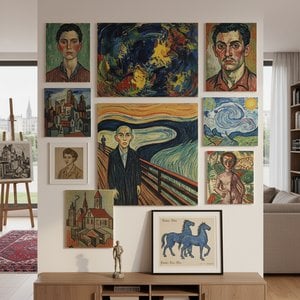
探索表现主义的灵魂!本文精选十幅名作,从莫迪里亚尼到夏加尔,揭秘大师背后的故事与艺术魅力。感受色彩的力量,重塑您的家居空间。WahooArt.com 提供博物馆品质的艺术复制品和个性化装饰方案。立即在线探索全系列!

Explore 10 iconic gray paintings by masters like Rembrandt, Hopper & Whistler. Discover the stories behind these atmospheric artworks and find museum-quality art reproductions for your home decor at . Explore the full collection online.

探索埃贡·席勒25幅震撼人心的杰作!深入了解这位表现主义大师的绘画技巧、情感表达与生命哲思。WahooArt.com提供高品质艺术复制品,为您的室内设计带来经典之美。立即在线探索完整系列!


第一时间获取最新的艺术新闻、独家优惠及装饰灵感。
向我们介绍您的项目需求,我们的艺术专家将为您提供 3 个个性化的艺术品推荐。
由我们的专家为您精选 3 款心仪之作 —— 完全免费!


 效果预览
效果预览
 切换至手工绘画版
 分享
分享 分享
分享
 详情
详情

 下载
下载
 相似作品
相似作品 X射线
X射线 幻灯片播放
幻灯片播放

 展开详情
展开详情









 玻璃选项仅适用于110厘米以下的尺寸。


