

Картина, яка принесла славу Weyer, — це Cavalry Skirmish; вона експонується в Statens Museum For Kunst, Копенгаген. З 2 робіт Weyer у нашому каталозі ці 2 є найбільш шанованими; кожна з них представлена з датою створення, назвою музею та описом її унікальності.
Рейтинг сформовано на основі нашого показника популярності, що поєднує кількість пошукових запитів, переглядів та замовлень для кожної роботи. Оновлено Листопад 2026. Кожен шедевр на цій сторінці можна замовити як художню олійну репродукцію ручної роботи музейного рівня або як високоякісний арт-принт у будь-якому обраному вами розмірі.


1 музеїв, у яких зберігається більшість картин на цій сторінці.
| Музей | Місто | Твори Weyer | Картини зі цього списку |
|---|---|---|---|
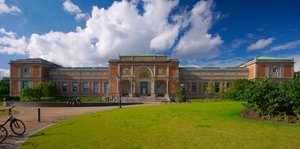 Statens Museum For Kunst |
Копенгаген | 2 | Cavalry Skirmish, Travellers Attacked by Robbers |
Cavalry Skirmish
У нашому каталозі представлено 2 робіт художника Weyer.
Більшість із них знаходяться в Statens Museum For Kunst (Копенгаген). У таблиці вище перелічені музеї по черзі.
Cavalry Skirmish та Travellers Attacked by Robbers — це одні з 2 робіт на цій сторінці, що належать Statens Museum For Kunst, Копенгаген.
Так. Кожну картину на цій сторінці можна замовити як музейну репродукцію, написану олією вручну, або як художній принт у будь-якому обраному вами розмірі — безпосередньо зі сторінки самої картини.
In the quietude of the nineteenth century, Weyer sought to capture the sudden, violent ruptures of human existence. His brush did not merely record scenes; it sought to freeze the very moment when peace dissolves into chaos. Through oil on panel, he rendered the tension of a landscape just before or during a moment of crisis. There is a certain weight to his compositions, a sense that the air itself is thick with the impending clash of steel or the sudden terror of an ambush.
His hand found its strength in the depiction of movement and the unpredictable nature of conflict. Whether it was the sudden strike of a skirmish or the desperate struggle of travelers, his work focused on the visceral reality of life in motion. He understood that a landscape is never merely a backdrop, but a participant in the drama unfolding within it.
The works that remain of his hand reveal a preoccupation with the suddenness of violence and the mechanics of battle. He focused his attention on specific, high-stakes encounters that demanded a mastery of light and shadow to convey the urgency of the scene. His subjects often included:
In these depictions, the human figure is often caught in a state of extreme exertion or sudden fright. He used the medium of oil to give substance to the dust kicked up by horses and the frantic gestures of men caught in the heat of a struggle. His ability to balance the vastness of a setting with the intimate terror of a personal encounter defines his contribution to the genre of historical and military painting.
The survival of his vision is largely owed to the preservation of his works within the Statens Museum for Kunst in Copenhagen. Within those halls, his paintings endure as records of a specific kind of dramatic intensity. His presence in the Danish collection ensures that his particular way of seeing—the way he saw a skirmish or a roadside robbery—remains available to those who study the art of the era. He remains a painter of the sudden moment, a chronicler of the friction between man and his environment.