БЕЗКОШТОВНА КОНСУЛЬТАЦІЯ З МИСТЕЦТВА

x

Короткі факти

  • Also known as:
    • Richard Evans (Painter)
    • R. Evans
    • Evans
    • Richard
    • Richard Evans Of London
  • Art period: 19th Century
  • Works on APS: 26
  • Top 3 works:
    • Thomas Taylor (copy after Thomas Lawrence)
    • William Carr, Viscount Beresford (1768–1854), General (completed by Richard Evans, Lawrence's assistant, after Lawrence's death)
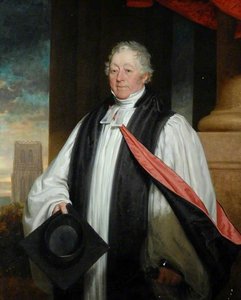
    • Dr Robert Gray (1762–1834), Bishop of Bristol
  • Died: 1871
  • Більше…

A Life Dedicated to Likeness: The World of Richard Evans

Richard Evans (1784-1871) occupies a fascinating, if often overlooked, position in the landscape of 19th-century British portraiture. Born into an era captivated by image and social standing, he carved out a career not as a revolutionary innovator, but as a supremely skilled and adaptable painter – a portraitist and copyist whose work reflected the tastes and demands of his time. While never achieving the household name recognition of contemporaries like Lawrence or Raeburn, Evans’s life story is one of consistent professional success, international travel, and a dedication to mastering the art of capturing human likeness. His journey took him from the studios of London to the vibrant society of Haiti, and ultimately to Italy, where he spent his later years honing his craft.

Early Training and Apprenticeship in London

Evans’s artistic education began in London, a bustling center for art and commerce. He initially trained under Henry Thomson, a respected portrait painter known for his meticulous technique and ability to capture the character of his sitters. This foundational training instilled in Evans a commitment to realism and accuracy that would define his entire career. However, it was his subsequent association with Sir Thomas Lawrence that proved particularly formative. Lawrence, the leading portraitist of the day, recognized Evans’s talent and took him into his studio as an assistant. This apprenticeship provided invaluable experience, exposing Evans to the techniques, clientele, and social dynamics of a highly successful artistic practice. He learned not only how to paint but also how to navigate the complex world of commissions, patronage, and public perception. Evans' early works demonstrate Lawrence’s influence – elegant poses, refined brushwork, and a focus on flattering representation.

A Caribbean Interlude: Portraiture in Haiti

In 1809, Evans embarked on an unusual chapter of his career, accepting a commission to paint portraits in Haiti. This was a period of significant political upheaval following the Haitian Revolution, and the island nation presented a unique cultural landscape. The details surrounding this commission remain somewhat obscure, but it is believed that he was employed by prominent members of the newly established Haitian elite – individuals eager to establish their status through portraiture. Painting in Haiti offered Evans an opportunity to depict subjects from diverse backgrounds, challenging him to adapt his style and approach beyond the conventions of British society. The portraits produced during this time are notable for their sensitivity and dignity, capturing the individuality of his sitters against a backdrop of post-revolutionary change. This experience broadened his artistic horizons and instilled in him an appreciation for different cultural aesthetics.

Italian Sojourn and Refinement of Style

Following his return from Haiti, Evans spent extended periods in Italy, primarily Rome, beginning around 1814. This move was driven by a desire to study the Old Masters – Michelangelo, Raphael, and Titian – and to further refine his technique. The Italian sojourn marked a turning point in his artistic development. He immersed himself in classical art, absorbing its principles of composition, anatomy, and color. His style became increasingly influenced by Renaissance portraiture, characterized by a greater emphasis on form, depth, and psychological insight. He was elected to the British Academy in Rome in 1820, solidifying his reputation as a serious artist dedicated to academic standards. During this period, he also undertook numerous commissions from British travelers visiting Italy, creating portraits that blended classical influences with contemporary sensibilities.

Legacy and Historical Significance

Richard Evans’s career spanned over six decades, during which he produced a substantial body of work – portraits, copies after Old Masters, and historical compositions. While he may not be celebrated as an innovator, his skill as a portraitist was widely recognized by his contemporaries. He possessed a remarkable ability to capture the likeness and character of his sitters, creating images that were both aesthetically pleasing and psychologically insightful. His work provides valuable insights into the social history of 19th-century Britain and Haiti, documenting the lives and aspirations of individuals from diverse backgrounds. Evans’s copies after Old Masters demonstrate a deep understanding of artistic technique and serve as important records of works that may no longer exist in their original form. His time in Haiti is particularly significant, offering a rare glimpse into the art and society of this post-revolutionary nation. Though often overshadowed by more famous artists, Richard Evans’s dedication to his craft and his ability to adapt to different cultural contexts make him a compelling figure in the history of British portraiture – a testament to the enduring power of likeness and representation.