БЕЗКОШТОВНА КОНСУЛЬТАЦІЯ З МИСТЕЦТВА

x

Короткі факти

  • Museums on APS:
    • Архів Індіас (Севілья)
    • Архів Індіас (Севілья)
    • Архів Індіас (Севілья)
    • Архів Індіас (Севілья)
    • Архів Індіас (Севілья)
  • Art period: Модерн і сучасне мистецтво
  • Copyright status: Under copyright
  • Also known as: Фернандо Кармана Díaz
  • Born: 1900, Іспанія
  • Works on APS: 1
  • Більше…

Вікторина з мистецтва

Для кожного питання є лише одна правильна відповідь.

Запитання 1:
Яке місто було місцем народження Фернандо Кармона Діаса?
Запитання 2:
З якими газетами Фернандо Кармона Діаза співпрацював у 1920-х і 1930-х роках?
Запитання 3:
Який тип фотографії Фернандо Кармона Діаза найкраще відомий?
Запитання 4:
З яким видатним художником співпрацював Фернандо Кармона Діаз?
Запитання 5:
Який музей у Мадриді працював Фернандо Кармона Діаза?

Fernando Carmona Díaz: A Pioneer of Andalusian Photography

Fernando Carmona Díaz (1900 – 1970) stands as a pivotal figure in Spanish photography and printmaking during the interwar years, embodying the spirit of innovation and social observation characteristic of his time. Born in Seville, Spain, he honed his craft amidst the vibrant cultural landscape of Andalusia, collaborating closely with prominent artists like Joan Miró and Rafael Barradas, establishing himself as a respected voice within the artistic circles of Madrid through his association with the Museo de la Real Academia de Bellas Artes de San Fernando. Carmona Díaz’s formative years were steeped in Andalusian tradition—a region renowned for its rich artistic heritage and fervent passion for flamenco. He absorbed the aesthetic sensibilities of his surroundings, developing a distinctive visual language that prioritized clarity and emotional depth. Early on, he dedicated himself to documenting everyday life in Seville and Cadiz, capturing candid moments of social gatherings—particularly those centered around flamenco performances—with remarkable sensitivity. His photographs weren’t merely reproductions; they were imbued with an emotional resonance that conveyed the essence of Andalusian culture and community. He skillfully utilized black and white printing techniques to achieve a timeless aesthetic, prioritizing tonal nuance over elaborate color palettes. This stylistic choice reflects a broader trend in photographic art during the period, emphasizing compositional precision and capturing fleeting expressions of human experience—a deliberate rejection of Impressionistic tendencies that favored atmospheric effects.

Notable Works: Capturing Moments in Time

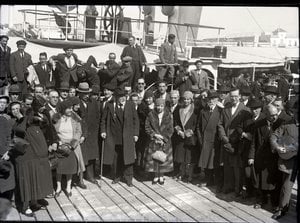
Among Carmona Díaz’s most celebrated images is “Members of the ER 77 Comedy Club,” dated 1930. This photograph exemplifies his ability to distill complex social dynamics into a single frame, presenting a snapshot of performers and spectators alike—a testament to his artistic vision. Published by ABC newspaper archives in Seville, Spain, it showcases meticulous attention to detail and masterful use of light and shadow, creating an immersive experience for the viewer. The composition is carefully balanced, drawing the eye towards the central figures while subtly incorporating supporting elements that contribute to the overall narrative. Light plays a crucial role—illuminating faces and highlighting textures—enhancing the dramatic impact of the scene. Another significant piece is “View of Plaza de la Constitución in Cádiz,” created in 1844 on paper, measuring 21 x 33 cm. Currently housed within th Museo Andaluz de Bellas Artes, this artwork captures the bustling atmosphere of Cádiz’s historic square—a vibrant depiction of urban life during the Victorian era. Carmona Díaz's work continues to inspire admiration for its artistic merit and historical significance.

Collaborations & Artistic Influences

Carmona Díaz’s artistic journey intersected with influential figures like Joan Miró, Rafael Barradas, and Juan Bautista Martínez del Mazo, fostering a dialogue between visual arts and literature. His engagement with Surrealist ideas—particularly Miró's exploration of subconscious imagery—influenced his photographic approach, encouraging him to delve beyond surface appearances and uncover deeper layers of meaning within his subjects. Furthermore, his involvement with the Museo de la Real Academia de Bellas Artes de San Fernando exposed him to the highest standards of artistic excellence, shaping his aesthetic sensibilities and contributing to his enduring legacy as a photographer who championed both technical mastery and expressive storytelling. He recognized that photography could serve as a powerful tool for conveying emotion and capturing the intangible qualities of human experience—a conviction that underpinned his entire oeuvre.

Legacy & Historical Significance

Fernando Carmona Díaz’s contribution to Spanish photography extends beyond individual artworks; he helped establish a tradition of documenting social life with empathy and precision. His photographs serve as invaluable records of the period, offering insights into Andalusian society during the 1920s and 30s—a time marked by artistic experimentation and cultural dynamism. Carmona Díaz’s enduring influence can be seen in subsequent generations of photographers who embraced his commitment to capturing authentic human experience through carefully considered compositions and tonal palettes. He remains a celebrated artist whose work continues to resonate with audiences today, cementing his place as one of Spain's most important photographic voices—a true visionary who elevated the art form while preserving the spirit of his era.