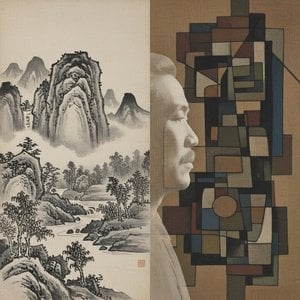
Lee Gi-kwang: A Rising Star Forged in Korean Cinema and Martial Arts
Lee Gi-kwang, born on April 17, 1982, in Busan, South Korea, is a multifaceted entertainer – an actor, singer, dancer, writer, and model – whose career has rapidly ascended within the vibrant landscape of Hallyu (Korean Wave) entertainment. Initially gaining recognition through his role as Gong-il in the critically acclaimed film *The King and the Clown* (2005), Gi-kwang’s trajectory demonstrates a remarkable versatility and dedication to honing diverse artistic skills, establishing him as a significant figure both on screen and beyond. His journey is one of consistent growth, blending traditional Korean martial arts with contemporary performance, reflecting a deep connection to his heritage while embracing the dynamism of modern entertainment.
Early Life and Artistic Beginnings
Gi-kwang’s early life was marked by an initial pursuit of music, fueled by a passion for hip hop and a fascination with classic American artists. He initially trained under JYP Entertainment, demonstrating considerable talent but ultimately being released from the agency. This experience proved pivotal, leading him to join Cube Entertainment, where he debuted as a solo artist under the stage name AJ (Ace Junior) in 2009. This initial foray into music, however, was complicated by a naming conflict with another performer, necessitating a subsequent re-debut as Lee Gi-kwang – a decision that ultimately solidified his current identity and career path. Crucially, this period instilled within him a resilience and adaptability that would become hallmarks of his later success.
Transition to Acting and Diverse Performances
Following the conclusion of his solo music career, Gi-kwang strategically transitioned into acting, quickly establishing himself as a compelling presence in Korean television dramas. His early roles, including appearances in *High Kick Through the Roof* (2009-2010) and *My Princess* (2011), showcased his ability to embody diverse characters and capture audience attention. He further expanded his range with parts in *Me Too, Flower!* (2011) and *Mrs. Cop* (2015), demonstrating a willingness to explore both comedic and dramatic genres. Notably, he also demonstrated an interest in dance, becoming a key member of the boy group Highlight, contributing not only as a vocalist but also as the group’s main dancer and visual artist – a skill that continues to inform his stage presence today.
Martial Arts Influence and Physical Prowess
Beyond acting and music, Gi-kwang's dedication to martial arts is an integral part of his identity and artistic expression. He holds black belts in Taekwondo and has also trained extensively in Hapkido and the traditional Korean martial art of Taekkyeon. This commitment to physical discipline isn’t merely a hobby; it profoundly influences his performances, lending a sense of strength, control, and grace to his roles. His proficiency in these arts is often subtly integrated into his acting choices, adding layers of depth and authenticity to his characters. The influence of Korean martial traditions can be seen as a grounding force, connecting him to his cultural roots while simultaneously fueling his artistic ambition.
Recent Achievements and Future Prospects
In recent years, Lee Gi-kwang has continued to solidify his position within the Hallyu entertainment industry with prominent roles in critically acclaimed dramas such as *Monster* (2016) and *Circle: Two Worlds Connected* (2017). His most recent work, *Marry My Husband*, further cemented his popularity. More recently he has taken on a leading role in the upcoming film *I Kill You*. Furthermore, his military service from 2019 to 2020 only served to strengthen his fanbase and demonstrate his commitment to duty. Looking ahead, Lee Gi-kwang’s continued exploration of diverse genres and artistic disciplines promises an exciting future for this multifaceted Korean star. His unique blend of acting, singing, dancing, and martial arts skills positions him as a compelling figure within the ever-evolving landscape of global entertainment.
Від редакції WahooArt.com
Перевірте свій зір
У кожному запитанні лише одна правильна відповідь.
Запитання 1:
Lee Gi-kwang is primarily known for his work in which genres of entertainment?
Запитання 2:
Besides acting, what other skills does Lee Gi-kwang possess that are prominently featured in his biography?
Запитання 3:
In which film did Lee Gi-kwang initially gain significant recognition?
Запитання 4:
What is Lee Gi-kwang's current status regarding his career?
Запитання 5:
Lee Gi-kwang's work has gained popularity primarily in which region?
Explore the captivating world of Yi Eungro (Lee Ungno), a pivotal figure in Korean modernism. Discover his unique fusion of Eastern and Western artistic traditions, abstract masterpieces, and lasting legacy. A must-read for discerning art collectors.
Discover which painters truly shaped history through technical mastery and explore a comparison of dimensions and scale between legendary masterpieces.
Чи можу я переглянути роботи Lee Gi-Kwang за настроєм?
Роботи Lee Gi-Kwang можна переглядати за настроєм на сторінці художника Простір настрою, де витвори мистецтва впорядковані відповідно до їхнього емоційного забарвлення.
Чи можу я переглянути роботи Lee Gi-Kwang за кольоровим спектром?
Роботи Lee Gi-Kwang можна переглянути за кольором на сторінці Колірний спектр митця.
Де і в якому році народився/народилася Lee Gi-Kwang?
Lee Gi-Kwang народився/народилася в Busan у 1982 році.
Де я можу побачити колірну палітру робіт Lee Gi-Kwang?
Колірний профіль робіт Lee Gi-Kwang представлений на сторінці Геном палітри митця.
Як змінювався стиль творчості Lee Gi-Kwang з часом?
Хронологічний опис творчості Lee Gi-Kwang представлений на сторінці Хронологія творчого шляху, де за розділами, у порядку їх створення, зібрані всі роботи митця.
Де я можу переглянути роботи Lee Gi-Kwang у хронологічному порядку?
Перегляньте хронологію робіт Lee Gi-Kwang: на сторінці Хронологія творів твори митця впорядковані за датою створення.
До якого історичного періоду належить творчість Lee Gi-Kwang?
Lee Gi-Kwang працював у період Contemporary. Цей період визначає місце творчості митця в історії.