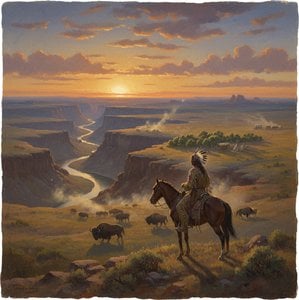
Edward S. Curtis: The Shadow Catcher and Legacy of Preservation
Edward S. Sheriff Curtis (1868-1952) stands as one of the most iconic figures in American photography, renowned not merely for his stunning images but also for his profound commitment to documenting and safeguarding the fading traditions of Native Americans across the American West. His artistic vision combined meticulous observation with a deep respect for indigenous cultures—a duality that continues to inspire debate and admiration decades after his death.
- Early Life & Influences: Born in Whitewater, Wisconsin, Curtis’s formative years were shaped by his father’s itinerant ministry and exposure to the rugged landscapes of Minnesota. Despite lacking formal academic training, he possessed an innate fascination with photography—a passion ignited by constructing his first camera at a young age—fueled by a desire to capture the beauty and complexity of the natural world.
- The Photographic Breakthrough: Curtis’s apprenticeship in St. Paul solidified his technical skills and led him to Seattle, where he established photographic studios alongside Rasmus Rothi and Thomas Guptill. This partnership provided crucial financial backing for his ambitious project—a monumental undertaking that would redefine ethnographic photography.
- Genesis of The North American Indian Project: Inspired by early portraits of Native Americans like Princess Angeline (Kickisomlo), Curtis embarked on a quest to chronicle the diverse cultures and traditions of Indigenous peoples in the West. Securing $75,000 from J.P. Morgan fueled his vision for twenty volumes featuring approximately 1,500 photographs—a daring endeavor that aimed to preserve disappearing ways of life.
- Technique & Aesthetic: Curtis’s photographic style favored a soft focus aesthetic, reflecting the artistic sensibilities of his time and simultaneously inviting contemplation about the realities of Native American existence. Utilizing large format cameras and photogravure printing—a sophisticated technique—he achieved unparalleled detail and tonal nuance in his prints, capturing subtle textures and colors.
- Legacy & Impact: Curtis’s work remains invaluable as a historical record of Native American cultures at a pivotal moment in American history—a testament to his dedication and foresight. His influence extended beyond photography, inspiring subsequent generations of ethnographers and shaping perceptions of indigenous communities worldwide. Exhibitions internationally recognized his contribution to art history.
Beyond his photographic endeavors, Curtis ventured into filmmaking with *In the Land of the Head Hunters* (1914), pioneering a cinematic approach to ethnographic storytelling—a film that captured the spirit and essence of Kwakiutl life. His later career encompassed portrait photography for Hollywood stars and production stills, cementing his reputation as a versatile artist who embraced diverse mediums.
- Film Pioneer: Curtis’s groundbreaking film *In the Land of the Head Hunters* stands as one of the earliest films featuring an all-Native American cast—a bold experiment that challenged conventional cinematic norms and offered a unique glimpse into Kwakiutl culture.
- Hollywood Collaborations: Curtis honed his skills in Hollywood, collaborating with renowned filmmakers and capturing portraits of celebrated actors—demonstrating his adaptability and artistic versatility across various disciplines.
Curtis’s legacy transcends mere visual documentation; it embodies a profound ethical responsibility to honor indigenous traditions and safeguard cultural heritage. His unwavering commitment to preserving Native American stories continues to resonate today, reminding us of the importance of empathy, understanding, and recognizing the enduring value of diverse perspectives.