Introduction
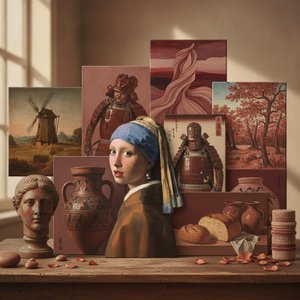
Step into a space where the light does not merely shine, but lingers within the deep, velvety depths of shadow. To encounter paintings dominated by espresso tones is to experience the gravity of art; it is an immersion into a palette of roasted umber, rich sepia, and profound bistre that anchors the soul. These darker, earth-bound hues do more than provide contrast—they create a sanctuary of warmth and permanence in an ever-changing world.
Historically, the mastery of these deep tones emerged from the shadows of the Baroque era and the chiaroscuro techniques of the Old Masters, where artists used the density of dark pigments to sculpt form out of nothingness. These works were never merely about darkness; they were about the tension between the visible and the hidden, using the richness of coffee-colored depths to pull the viewer into a more intimate, contemplative state. Culturally, this palette has long been associated with prestige, stability, and the quiet dignity of classical tradition.
Today, these masterpieces remain profoundly meaningful because they offer a sensory respite. In an age of digital brightness and fleeting imagery, the heavy, tactile presence of espresso-toned art provides a sense of architectural weight and emotional groundedness. They command attention in modern corporate spaces and hospitality interiors alike, acting as sophisticated anchors that evoke timelessness and luxury.
As we move through this curated selection, prepare to encounter ten iconic works where the strength of the dark palette defines the narrative. From the dramatic intensity of nocturnal landscapes to the soulful depth of classical portraiture, each painting on this list demonstrates how the most powerful stories are often told within the richest shadows.
The Scream - Edvard Munch
 The Scream - Edvard Munch
In Edvard Munch’s 1893 masterpiece, The Scream , the heavy, grounding presence of espresso-toned shadows provides a vital anchor to an otherwise turbulent sky. While the fiery oranges and blood-red horizons demand immediate attention, it is the deep, dark pigments within the bridge's architecture and the receding silhouettes in the background that instill a true sense of existential weight. These darker, coffee-hued tones create a profound contrast against the swirling, electric blues, pulling the viewer into a vortex of psychological tension.
To hang this work is to invite a transformative energy into your space; it is not merely an acquisition of a famous image, but an embrace of raw human emotion. The way the dark, earthy shadows interact with the vibrant, agitated brushstrokes allows the painting to act as a gallery of the soul, turning a simple wall into a profound site of reflection. For those seeking to surround themselves with genius, this interplay of deep tones and visceral movement offers a powerful, sophisticated statement of modern resilience.
The Girl with a Pearl Earring - Johannes Vermeer
 The Girl with a Pearl Earring - Johannes Vermeer
To stand before a masterpiece is to enter a silent dialogue with history. In the quiet depths of 17th-century Dutch realism, few works command the room quite like The Girl with a Pearl Earring by Johannes Vermeer . This painting earns its place among the top 10 famous paintings dominated by 'espresso' tones through its masterful use of profound, dark shadows that emerge from an undefined, near-black void. This deep, coffee-like background creates a striking chiaroscuro effect, pushing the subject forward and making her luminous skin and the singular, reflective pearl appear almost three-dimensional.
Vermeer’s technique involves delicate glazes of oil paint that capture the soft, warm light hitting the girl's face, contrasted against the rich, earthy pigments of her attire. The palette is a sophisticated balance of deep umbers and midnight tones, punctuated by the brilliant ultramarine of her turban. Beyond its technical brilliance, the work offers an emotional gravity; the subject’s enigmatic gaze provides a focal point that anchors any interior space. Even centuries later, this interplay of shadow and light continues to transform modern environments, offering a sense of timeless tranquility and intellectual depth.
Liberty Leading the People - Eugène Delacroix
 Liberty Leading the People - Eugène Delacroix
Eugène Delacroix's Liberty Leading the People stands as a monumental pillar in our collection of works dominated by deep, espresso-toned palettes. This masterpiece of French Romanticism captures the raw, visceral energy of the July Revolution through a sophisticated use of shadow and earthiness. The composition is anchored by heavy, somber tones of dark brown, charcoal, and muted umber, which provide a dramatic, grounded foundation for the sudden, piercing strikes of the tricolor flag.
For the modern professional decorator or collector, this painting offers more than historical narrative; it provides a profound sense of weight and architectural depth. The interplay of chiaroscuro—the intense contrast between light and dark—creates a theatrical atmosphere that integrates seamlessly into high-end corporate spaces or traditional lounges. The rich, coffee-colored shadows lend a sense of permanence and prestige to any interior, making it an ideal focal point for those seeking to evoke strength, passion, and a timeless, sophisticated ambiance through the power of classic oil textures.
Time transfixed - René Magritte
 Time transfixed - René Magritte
In Time Transfixed by René Magritte, the boundary between domestic stillness and industrial momentum is forever blurred, capturing a moment where reality itself seems to pause in mid-breath. This masterpiece earns its place among the top 10 famous paintings dominated by 'espresso' tones through its sophisticated use of deep, roasted umbers, rich mahogany wood paneling, and dark, metallic grays that anchor the surrealist dreamscape. The painting’s power lies in its sensory paradox: the warmth of a traditional hearth is disrupted by the cold, heavy presence of a locomotive emerging from the fireplace.
The palette of muted browns and creamy shadows creates a sense of historical weight, making it an exceptional choice for modern corporate spaces or luxury hospitality interiors seeking a touch of intellectual depth. The smooth, academic brushwork highlights the polished sheen of marble and the dark, rhythmic textures of the train, offering a visual gravity that complements contemporary furniture. By integrating these deep, coffee-inspired hues with such profound symbolism, Magritte provides a sophisticated focal point that inspires quiet contemplation and architectural elegance in any professional collection.
The Menaced Assassin - René Magritte
 The Menaced Assassin - René Magritte
René Magritte’s 1927 masterpiece, The Menaced Assassin , stands as a profound pillar of Surrealism, capturing the psychological tension of an era caught between tradition and the subconscious. This work earns its place among the top paintings dominated by espresso tones through its masterful use of deep, roasted browns, shadowy blacks, and muted umbers that anchor its dreamlike instability. The composition utilizes a somber, coffee-hued palette to heighten the sense of quiet dread, where the dark, heavy tones of the men in bowler hats and the shadowed recesses of the room create an atmosphere of inescapable surveillance.
Beyond its technical brilliance, the painting invites us to question the very nature of perception and vulnerability. The way the rich, dark pigments interact with the pale, peach-toned light creates a sensory depth that is both unsettling and captivating. For the modern collector or decorator, integrating such an evocative piece into a curated space offers more than just aesthetic value; it introduces a timeless conversation about mystery and the unseen, making it a sophisticated anchor for any high-end interior seeking intellectual and emotional resonance.
Haystacks in Provence - vincent willem van gogh
 Haystacks in Provence - vincent willem van gogh
In Haystacks in Provence by Vincent van Gogh, the interplay of light is not merely a visual element but a profound emotional force. The composition is anchored by deep, espresso-toned shadows that ground the sun-drenched golden haystacks, creating a dramatic chiaroscuro effect that defines this masterpiece. Van Gogh’s command over this contrast—where heavy, dark earth tones meet the brilliant, flickering light of the French sun—is what secures its place among the top 10 paintings dominated by rich, dark pigments.
The artist utilizes thick impasto brushstrokes to capture how light clings to the textured surfaces of the harvest, making the warmth of the Provence landscape feel almost tactile. For the modern collector or interior professional, a faithful reproduction of this work offers more than just color coordination; it introduces a sophisticated layer of depth and architectural luxury. The way these dark, grounded tones interact with luminous highlights can transform a contemporary wall, providing a focal point that feels both historically significant and perfectly integrated into high-end, moody, or earth-toned interior designs.
The Third of May, 1808 The Execution of the Defenders of Madrid - Francisco José de Goya y Lucientes
 The Third of May, 1808 The Execution of the Defenders of Madrid - Francisco José de Goya y Lucientes
In Francisco Goya’s The Third of May, 1808 , the darkness is not merely an absence of light; it is a heavy, suffocating presence that defines the tragedy. This masterpiece dominates the 'espresso' palette with deep, umber shadows and scorched earth tones that anchor the visceral chaos of the execution. The artist does not simply paint shadows—he composes them to trap the viewer within the grim reality of the Peninsular War.
The emotional weight of the piece relies on a stark, dramatic chiaroscuro . A single, lantern-lit focal point pierces through the murky, coffee-colored night, illuminating the defiant white shirt of the central figure against a backdrop of somber, muddy browns and charcoal blacks. These rich, dark pigments create a sense of profound gravity and historical weight. When this reproduction enters your space, it brings more than just color; it introduces a powerful, rhythmic tension between light and shadow, turning a wall into a window onto one of history's most hauntingly beautiful cries against brutality.
Freedom from want - Norman Rockwell
 Freedom from want - Norman Rockwell
Step into the warm, amber-lit glow of Norman Rockwell’s Freedom from Want , where the air feels thick with the scent of roasted turkey and the quiet hum of familial devotion. This masterpiece is a cornerstone of Americana, defined by its rich, deep palette of espresso tones , toasted ochres, and shadowed umbers that anchor the composition in a sense of profound stability. The scene captures a pivotal moment of gratitude, as a matriarch presents a bountiful feast, her movements mirrored by the soft, diffused light dancing across linen tablecloths and polished wood.
Rockwell’s technical precision brings a tactile reality to the canvas; you can almost feel the weight of the heavy ceramics and the textured warmth of the gathered crowd. For the modern collector or hospitality professional, integrating such an espresso-toned classic into a dining space or corporate lounge provides more than just decor. It introduces a sense of historical continuity and emotional sanctuary, using its earthy, grounded hues to inspire feelings of abundance, security, and timeless connection.
After the Bath - Pierre-Auguste Renoir
 After the Bath - Pierre-Auguste Renoir
Pierre-Auguste Renoir’s After the Bath (1888) offers a profound study in how deep, earthy undertones can anchor even the most ethereal Impressionist subjects. While Renoir is celebrated for his luminous skin tones, this particular work utilizes a foundation of rich, espresso-like shadows within the foliage and shaded recesses to create a sense of weight and intimacy. These darker, coffee-toned pigments provide the essential contrast needed to make the warm pinks and soft highlights appear to glow from within.
In our selection of paintings dominated by espresso tones, this piece stands out for its ability to balance light and shadow. The way the deep, woody hues of the background interact with the diffused twilight light creates a sophisticated atmosphere that is highly sought after in modern interior design. For procurement managers or decorators looking to establish a mood of quiet prestige and warmth in hospitality spaces, the organic depth of Renoir’s palette offers a timeless elegance that complements contemporary furniture and darker wood finishes perfectly.
Portrait of Adele Bloch-Bauer I - Gustav Klimt
 Portrait of Adele Bloch-Bauer I - Gustav Klimt
Imagine stepping into a dimly lit Viennese salon, where the air is thick with the scent of aged parchment and the quiet hum of high society. Before your eyes, the Portrait of Adele Bloch-Bauer I emerges from the shadows, not merely as a painting, but as a luminous icon of the Golden Phase. Gustav Klimt’s masterpiece commands attention through its profound use of deep, espresso-toned shadows that provide a stark, dramatic contrast to the overwhelming brilliance of gold leaf and shimmering ornamentation.
This work earns its place among the top 10 paintings dominated by espresso tones because it uses these dark, grounding pigments to anchor an explosion of Art Nouveau decadence. The rich, dark recesses of the composition allow the swirling geometric patterns and symbolic eyes to pulse with life, creating a sense of mystery and psychological depth. Integrating such a powerful piece into a modern interior brings a sophisticated weight to a room, offering a focal point that evokes both historical grandeur and a serene, contemplative luxury in any professional or residential space.
Conclusion
As the light fades on our journey through these deep, resonant shadows, we realize that these masterpieces are far more than mere relics of a bygone era or static subjects in a museum gallery. They are living presences, breathing with a warmth that transcends time. The rich, espresso-toned depths we have explored do not simply occupy space; they anchor it, offering a sense of permanence and profound quietude to the modern soul. To surround oneself with such works is to invite a continuous dialogue with human history, allowing the textured brushstrokes and somber, elegant hues to act as daily reminders of our shared capacity for grace, introspection, and enduring beauty.
These paintings possess a unique power to transform a room into a sanctuary, turning a simple interior into a space of reflection and emotional depth. Whether it is the quiet strength found in a dark landscape or the dramatic tension within a chiaroscuro portrait, these tones provide a foundation of comfort and sophistication that evolves with the light of each passing day. We invite you to move beyond mere admiration and consider bringing this timeless atmosphere into your own home or professional space. You may explore our full collection to find the piece that speaks most intimately to your spirit, and in doing so, allow these historic treasures to become a part of your own unfolding story.