Біографія митця
Життєвий шлях та революційний погляд Поля Сезанна
Поль Сезанн, народжений в Екс-ан-Провансі у 1839 році, є монументальною фігурою, що з’єднує швидкоплинні враження імпресіонізму та фрагментовані форми кубізму. Його шлях не був шляхом миттєвого визнання; скоріше, це було повільне горіння художнього дослідження, відзначене періодами сумнівів у собі та критичної несприйнятливості, що зрештою призвело до спадщини, яка назавжди змінила хід сучасного мистецтва. Сезанн народився в заможній родині – його батько спочатку був капелюшником, а пізніше банкіром – і насолоджувався фінансовою безпекою, незвичною для прагнутьих художників, що дозволило йому присвятити себе своїй пристрасті без негайного тиску комерційного успіху. Хоча спочатку батько спрямовував його на юридичну кар’єру, потяг до художнього вираження виявився занадто сильним, і він зрештою залишив право заради живопису – рішення, яке визначило все його життя. Ранні впливи включали романтизм, що панував у його юності, та відданість ландшафту школи Барбізон, але саме завдяки зустрічам з художниками, такими як Поль Гоген і Жорж Сера, а також їх інноваційним підходам до кольору та форми, Сезанн почав формувати свій власний унікальний шлях.
Від темряви до структури: еволюція стилю
Ранні роботи Сезанна часто відображали драматичні, емоційно заряджені теми, характерні для романтичного живопису – темні палітри та виразний мазок домінували в його полотнах. Однак ця початкова фаза була лише сходинкою до набагато більш аналітичного та новаторського підходу. Незадоволений простим фіксуванням швидкоплинних вражень світла, як це віддавали перевагу імпресіоністи, Сезанн вирушив у пошуки розуміння та представлення основної структури самих об’єктів. Він прагнув не лише *що* він бачив, але й *як* він сприймав фундаментальні форми, що становили реальність. Це призвело його до розкладання природних форм на їх геометричні еквіваленти – конуси, циліндри, сфери – передбачаючи кубістську революцію за десятиліття до її матеріалізації. Його техніка характеризувалася малими повторюваними мазками, ретельно нашарованими для створення складних полів кольору та текстури, створюючи відчуття солідності та глибини, якого раніше не було видно в живописі. Він не цікавився ілюзіоністським простором; натомість він часто представляв об’єкти з кількох точок зору одночасно, кидаючи виклик традиційним уявленням про перспективу та змушуючи глядача активно брати участь у сконструйованій природі його композицій. Це навмисне спотворення не було довільним, а скоріше спробою передати більш повне розуміння форми, представляючи не лише один момент часу, але й синтез сприйняття.
Пейзажі, натюрморти та людська форма: ключові роботи та повторювані мотиви
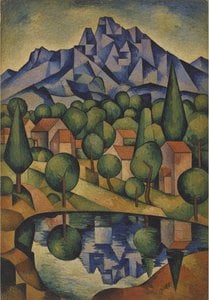
Творчість Сезанна надзвичайно різноманітна, охоплює пейзажі, натюрморти, портрети та зображення купальниць, проте всі вони об’єднані його унікальним підходом до форми та кольору. Став біля Жа де Буфан, написаний у 1880 році, є прикладом його пейзажної роботи, демонструючи його здатність передати суть природи за допомогою ретельного розташування форм і тонів. Портрет Еміля Золя, створений у 1866 році, розкриває його розвиваючий стиль та пропонує переконливий погляд на інтелектуальну інтенсивність його близького друга та колеги-письменника. Його натюрморти, такі як ті, що зображують яблука та інші фрукти, є не просто представленням об’єктів, а скоріше дослідженнями об’єму, світла та просторових взаємин. Серія Мон-Сент-Віктуар стала одержимістю для Сезанна, повторюваним мотивом, який дозволив йому невпинно досліджувати форму та перспективу протягом десятиліть. Ці картини – це не просто зображення гори; це дослідження того, як ми сприймаємо глибину, об’єм і взаємодію світла й тіні. Нарешті, його серія Купальниць, що зображують оголені фігури в ідилічних пейзажах, представляє глибоке дослідження людської форми та її зв’язку з природою, часто пронизане відчуттям позачасовості та тихої споглядання.
Спадщина, викувана інноваціями: вплив Сезанна на сучасне мистецтво
Вплив Поля Сезанна на наступні покоління художників є незмірним. Його широко визнають «батьком сучасного мистецтва» за його новаторський внесок у пікторіальну мову, прокладаючи шлях для багатьох основних художніх рухів 20-го століття. Пабло Пікассо та Жорж Брак були глибоко в боргу Сезанну за акцент на геометричні форми та множинні перспективи, які стали центральними принципами кубізму. Його сміливе використання кольору також надихнуло рух фовістів, очолюваний художниками, такими як Анрі Матісс, який прийняв яскраві, нереалістичні відтінки. Навіть сюрреалісти знайшли резонанс у дослідженні суб’єктивного сприйняття та психологічної глибини Сезанна. За межами конкретних рухів наполягання Сезанна на особистому баченні художника та його відмова від традиційних академічних обмежень звільнили покоління художників для дослідження нових форм вираження. Він кинув виклик самому визначенню представлення, перевівши фокус із наслідування реальності на побудову візуального досвіду на основі основної структури та суб’єктивного сприйняття. Його смерть у 1906 році не ознаменувала кінець, а початок – світання нової ери в історії мистецтва, глибоко сформованої його революційним баченням.



 Переглянути в інтер'єрі
 Замовити репродукцію ручної роботи
 Надіслати як листівку
 Поділитися
 Детальніше

 Завантажити
 Схожі експонати
 Рентгенівське дослідження
 Слайд-шоу
 Статистика

 Читати далі






































 Скляний варіант доступний лише для розмірів до 110 см