


 Акрил на полотніНастінне мистецтвоФаувІзм
 1939
1939 115.0 x 115.0 cm
Музейна якість друку جيкле або на полотні з оперативним виготовленням та різноманітними варіантами фінішної обробки. ( Замовити репродукцію ручної роботи Купити цифрове зображення)





























Обирайте з наших стандартних розмірів, що відповідають оригінальним пропорціям твору мистецтва.

Ви можете вказати власні розміри, щоб репродукція ідеально підійшла до конкретної рами або інтер'єру. Якщо обраний вами розмір не відповідає пропорціям оригіналу, ми або обріжемо полотно, або розширимо зображення за допомогою дзеркального відображення чи суцільної заливки країв. Перед початком виробництва вам буде надіслано цифровий макет для затвердження.
Будь ласка, зверніть увагу, що попередній перегляд на екрані не відображає фактичне обрізання або розширення. Тільки макет точно покаже фінальну композицію.
Хоча можливість замовлення індивідуальних розмірів доступна, ми рекомендуємо обирати формат із попередньо визначеного списку, щоб зберегти оригінальні пропорції.
Доставка по всьому світу () за 2 тижні замість стандартних 4/5 тижнів. (7 Вересень)


Музика
Розмір репродукції
Henri Matisse's "Music," created in 1939, is more than just a painting; it’s an embodiment of harmony and tranquility rendered through the vibrant language of color. This oil on canvas masterpiece exemplifies the Fauvist movement, showcasing Matisse's signature bold brushstrokes and emotive use of pigment to evoke feeling rather than strict representation.
Matisse was a pioneering figure in Fauvism, known for his expressive and unconventional approach to art. “Music” forms a captivating pair with another significant work, "The Dance," both commissioned by the Russian collector Sergey Shchukin in 1910. While "The Dance" marks a pivotal moment in Matisse's career, "Music" complements it beautifully, reflecting the artist’s fascination with primitive art and his ability to convey emotional liberation through color and form. The painting was created during a period of significant global unrest, on the eve of World War II, offering a poignant escape into a world of serene beauty.
The scene depicts two women seated comfortably on a couch; one is engrossed in playing a guitar while the other observes with quiet appreciation. The woman holding the guitar is dressed in blue, and her instrument glows with warm, golden hues. The second woman sits beside her, equally captivated by the performance. A cool blue-green background provides a calming backdrop, creating a sense of balance and harmony within the composition. Several carefully placed objects contribute to the relaxed atmosphere: a book rests on the couch near the first woman, another is positioned further away, a bottle sits close to the second woman, and a cup is nearby. These details emphasize the shared moment between the two women, suggesting an intimate and enjoyable experience.
"Music" perfectly exemplifies Matisse's unique style within the Fauvist movement. The use of vibrant colors—blues, greens, yellows, and oranges—is not intended to be realistic but rather expressive, conveying emotion and creating a dynamic yet serene visual experience. This style was influenced by various sources, including African tribal masks and the artist’s own explorations into proto-Cubism. Matisse's innovative approach to color and form had a profound impact on modern art, influencing subsequent movements such as Expressionism and Surrealism. His work paved the way for artists like Pablo Picasso, Georges Braque, and Giorgio de Chirico, forever changing the landscape of artistic expression.
"Music" by Henri Matisse is a captivating painting that embodies the essence of Fauvist art. Its harmonious colors and emotive composition create a sense of tranquility, making it a masterpiece of modern art. The painting’s enduring appeal lies in its ability to evoke feelings of peace and joy, offering viewers a moment of respite from the complexities of life.


1869 - 1954 , Франція
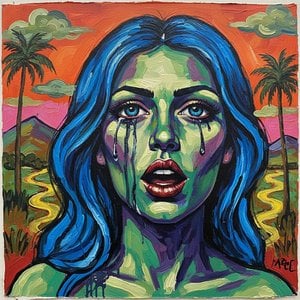
Embark on a journey through the vibrant world of Fauvism. Discover how masters like Henri Matisse revolutionized art through bold colors and raw emotion in this expert-led guide to one of modern art's most powerful movements.

Explore the vibrant revolution of Fauvism. Discover how masters like Matisse liberated color to redefine modern art. Dive into an expert-led journey through the 'Wild Beasts' movement and learn how to bring this bold, expressive energy into your personal collection.

 Переглянути в інтер'єрі
 Надіслати як листівку
 Поділитися
 Детальніше

 Завантажити
 Схожі експонати
 Рентгенівське дослідження
 Слайд-шоу
 Читати далі







 Скляний варіант доступний лише для розмірів до 110 см


