A Sculptor's Journey: Valentin Starchev’s Legacy in Stone and Spirit
Valentin Starchev, born August 14, 1935, in Stara Zagora, Bulgaria, embodies the enduring spirit of Bulgarian sculpture. His formative years were marked by a passion for athletics—specifically sprinting—fueled by his teacher Vasil Nikolov, who instilled in him not only physical prowess but also an appreciation for discipline and precision – qualities that would later translate into his artistic endeavors. From First Junior High School to Stara Zagora’s Ayazmoto Park fountain design, Starchev demonstrated early talent and a dedication to mastering craft.
- Academic Foundations: He pursued his studies at the National Academy of Art in Sofia under the mentorship of Prof. Marko Markov, where he honed his artistic vision and developed a profound understanding of sculptural techniques.
- Union Membership & Early Recognition: In 1961, Starchev joined the Union of Bulgarian Artists, securing his place within Bulgaria’s artistic community and earning second prize at the First Youth Exhibition with Wrestlers – a piece that would later find its home in the Ruse Art Gallery.
His professional life blossomed in 1964 when he accepted a lecturing position at the Higher Institute of Architecture and Civil Engineering, shaping generations of aspiring architects and sculptors. He continued to teach until 1982, becoming a Full Professor and subsequently Head of the Department – cementing his role as an influential educator and fostering artistic innovation within Bulgaria’s academic landscape. From 1985, he served as Head of the Department.
- Monumental Sculpture: Starchev's fame rests primarily on his monumental sculptures, reflecting a commitment to conveying grand narratives and capturing human form with remarkable detail. Notable works include *1300 Years Bulgaria*, commemorating Bulgaria’s history before the National Palace of Culture in Sofia; *The Pegas Monument*, honoring Bulgarian writers who perished; and *The Brotherly Mounds*, memorializing fallen soldiers for freedom in Pleven and Stara Zagora – each piece embodying a powerful statement about national identity and remembrance.
- International Recognition: His artistic vision extended beyond Bulgaria’s borders, earning him exhibitions and commissions across Europe. Pieces reside at prestigious institutions like Middelheim Museum (Antwerpen), Belgium; Peter Ludwig Museum (Aachen), Germany; Hugo Voeten Collection (Belgium); and Art Dialogue Foundation (France).
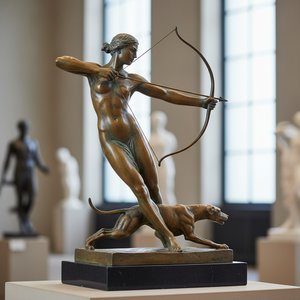
Starchev's artistic style is characterized by a masterful blend of realism and expressive gesture, capturing the essence of human emotion and embodying monumental scale. His sculptures are celebrated for their technical brilliance—particularly his use of bronze—and for conveying profound narratives about Bulgarian history and culture. He has been awarded numerous honors and distinctions, solidifying his position as one of Bulgaria’s most respected sculptors. Beyond his artistic achievements, Starchev's legacy resides in nurturing talent and inspiring creativity within the next generation of artists – ensuring that his vision continues to resonate for years to come.