A Brush with Serenity: The Life and Landscapes of Pan Simu
Pan Simu, a name perhaps unfamiliar to many outside the circles of dedicated Chinese art scholars, represents a fascinating bridge between tradition and personal expression within the late Qing Dynasty (1644–1911). Born in 1756, during a period of relative stability following decades of upheaval, Pan Simu’s life unfolded against a backdrop of evolving artistic tastes and a growing appreciation for regional styles. While biographical details remain somewhat sparse—a common fate for artists outside the imperial court—we know he hailed from China and dedicated his career to the art of ink landscape painting. He passed away in 1842, leaving behind a body of work that speaks volumes about his mastery of technique and his deep connection to the natural world. His paintings weren’t grand statements commissioned by emperors; instead, they were intimate reflections born from personal observation and a reverence for the artistic lineage he inherited.
The Qing Dynasty Landscape Tradition
To understand Pan Simu's work, one must first appreciate the context of landscape painting within the Qing Dynasty. This period saw a continuation of earlier Ming Dynasty (1368–1644) traditions, but also witnessed a flourishing of individual styles and regional schools. Literati painters—scholars and officials who pursued art as an extension of their intellectual and spiritual lives—remained highly influential. They favored expressive brushwork, subtle ink washes, and poetic inscriptions that imbued their landscapes with layers of meaning. Pan Simu clearly positioned himself within this tradition, demonstrating a profound understanding of classical techniques while simultaneously developing a distinctive voice. His chosen medium – ink on paper – was not merely a technical preference but a philosophical one; it allowed for nuanced gradations of tone and texture, mirroring the complexities of nature itself. The emphasis wasn’t simply on *depicting* landscapes, but on capturing their essence—their spirit or “qi.”
Helin and Artistic Lineage
Pan Simu is particularly remembered for his paintings of Helin, a temple near Zhenjiang in Jiangsu province. This location held special significance as the burial site of Mi Fu (1052–1107), a celebrated calligrapher, painter, and connoisseur from the Northern Song Dynasty (960–1127). Mi Fu’s influence on Pan Simu is undeniable; his inscription on “Mist and Rain in Helin” playfully acknowledges this debt, suggesting that Mi himself might critique his efforts. This self-deprecating humor reveals a deep respect for artistic ancestors and a desire to engage with the past. The painting itself—a delicate wash of ink evoking mist and rain—is not simply a representation of a place but a meditation on artistic lineage and the enduring power of nature. Pan Simu wasn’t merely copying Mi Fu's style; he was participating in a centuries-old conversation, adding his own voice to the chorus of artists who had found inspiration in Helin and its association with the legendary master.
Technique and Evocative Style
The hallmark of Pan Simu’s work is his masterful control of ink washes. He employed subtle gradations of tone to create a sense of atmosphere, depth, and distance. His brushwork is fluid and expressive, capturing the movement of water, the texture of rocks, and the delicate forms of trees. He wasn't interested in meticulous detail; instead, he focused on conveying the *feeling* of a landscape—its tranquility, its grandeur, or its melancholy. His paintings often feature soft, muted colors and a sense of poetic restraint. This aesthetic sensibility aligns with the broader literati tradition, which valued suggestion over explicit representation. The evocative power of his work lies in its ability to transport the viewer to another place and time—to experience the serenity of a misty mountain landscape or the quiet beauty of a secluded temple garden.
Legacy and Historical Significance
While Pan Simu may not be as widely recognized as some of his more famous contemporaries, his contribution to Qing Dynasty art is significant. He represents a continuation of the literati tradition, demonstrating a deep understanding of classical techniques while developing a distinctive personal style. His paintings of Helin—and his playful engagement with the legacy of Mi Fu—offer valuable insights into the artistic values and intellectual concerns of the period.
His work provides a window into the regional schools of painting that flourished outside the imperial court.
He exemplifies the importance of artistic lineage and the enduring power of tradition.
His paintings continue to inspire viewers with their serene beauty and evocative atmosphere.
Pan Simu’s landscapes are not merely historical artifacts; they are timeless expressions of human connection to nature—a testament to the enduring power of art to capture the essence of a place, a moment, or a feeling.
WahooArt.com Editör Ekibi Tarafından
Sanat Bilgisi Testi
Her soru için yalnızca bir doğru cevap bulunmaktadır.
Soru 1:
Pan Simu was born in which country?
Soru 2:
During which dynasty did Pan Simu primarily work as an artist?
Soru 3:
What was Pan Simu's primary medium for his artwork?
Soru 4:
Pan Simu is best known for painting which subject matter?
Soru 5:
What is the title of a notable work by Pan Simu featuring mist and rain?
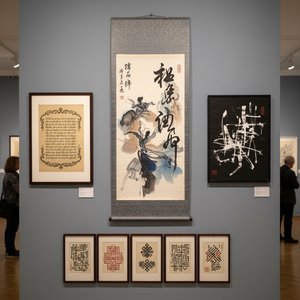
Explore the profound beauty of calligraphy art. From the fluid running script of Chinese masters to historical ink masterpieces, discover how the elegance of line transforms spaces with timeless grace and scholarly sophistication.
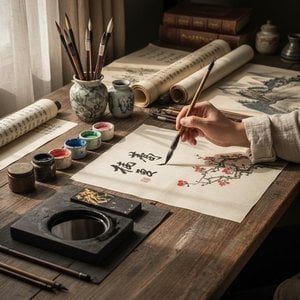
Embark on a profound journey through the soul of Chinese calligraphy. Explore the historical mastery of ink, brush, and script, from ancient Zhuanshu to elegant running script, and discover how this timeless art form reflects the enduring spirit of classical East Asian aesthetics.
Embark on a sophisticated exploration of ink wash painting and Sumi-e. Uncover the profound historical lineages, Zen philosophies, and technical mastery behind this timeless medium in our authoritative guide for fine art enthusiasts.
Merhaba! Bir sanat eseri seçmenize, siparişinizi takip etmenize veya garanti sorularınızı yanıtlamanıza yardımcı olabilirim. Size nasıl yardımcı olabilirim?