Nam Gye-woo: Echoes of Elegance in Korean Butterfly Art
Nam Gye-woo (허남준, born June 9, 1811 – died 1888) stands as a pivotal figure in late Joseon art, celebrated primarily for his exquisite depictions of butterflies—a motif that embodies grace, transformation, and profound symbolic meaning within Korean artistic tradition.
Born into a noble family descended from Nam Jinhwa, who served as *Busa* (royal tutor), Nam Gye-woo’s upbringing instilled in him an appreciation for scholarly pursuits alongside artistic talent. He pursued his education diligently at Sungkyunkwan University and subsequently embarked on a distinguished governmental career as *Dojeong*, demonstrating both intellectual prowess and dedication to public service.
However, it is Nam Gye-woo’s artistic legacy that truly captivates scholars and collectors alike. His paintings—particularly those featuring butterflies—are recognized for their meticulous detail and masterful execution. He skillfully captured the delicate beauty of butterfly wings, utilizing subtle color palettes and precise brushstrokes to convey a sense of ethereal serenity.
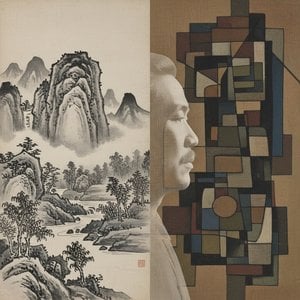
Influenced by Neo-Confucian ideals emphasizing harmony and balance, Nam Gye-woo’s artistic vision reflected the broader cultural ethos of his time. Like many Korean artists of the era, he drew inspiration from classical Chinese painting techniques—particularly landscape art—incorporating elements of misty mountains and serene ponds to create compositions that evoked contemplation and spiritual reflection.
Despite facing challenges during a period marked by political instability and social upheaval, Nam Gye-woo persevered in his artistic endeavors. His enduring fame rests upon the recognition of his contribution to Korean art history—specifically his pioneering role in establishing butterfly painting as a distinctive genre characterized by its refined aesthetic sensibilities.
His work continues to inspire admiration for its understated elegance and symbolic depth, cementing Nam Gye-woo’s place among Korea's most revered painters. The Horim Museum proudly showcases reproductions of his masterpieces, allowing visitors to experience firsthand the beauty and tranquility captured in these timeless artworks.