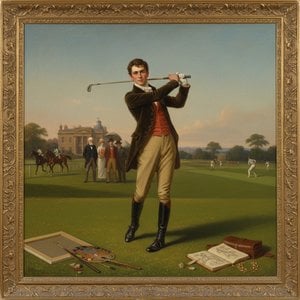
Sportif Bir Zarafetle Boyanmış Bir Hayat
1884 yılında Isle of Wight'ın sahil kasabası Ventnor'da dünyaya gelen George Owen Wynne Apperley, hayatı Romantik geleneklerin, İspanyol tutkusunun ve İngiliz toplumunun özünü yakalama adanmışlığının iplikleriyle dokunmuş canlı bir duvar halısı gibi serilen bir sanatçıydı. Başlangıçta askeri bir kariyer veya din adamlığı gibi daha geleneksel yollara yönlendirilmiş olsa da, Apperluğ'un sanatsal çağrısı direnilemeyecek kadar güçlüydü. Sandhurst ve Uppingham okullarındaki eğitimi, filizlenen yeteneğini dizginlamaya pek yardımcı olmadı; aksine, daha sonra onun alışılmadık yolculuğunu tanımlayacak olan asi bir ruhu besledi. Bushey'deki Herkomer Akademisi'ndeki kısa süreli dönemi, Bohem yaşam tarzı nedeniyle vaktinden önce sona erdi, ancak bu okuldan uzaklaştırılması yalnızca kendi kendine öğrenme konusundaki kararlılığını pekiştirdi.Erken Dönem Etkileri ve Sanatsal Gelişim
Apperley'nin resmi sanatsal eğitimi, 1903 yılında İtalya'ya yaptığı dönüm noktası niteliğindeki bir yolculukla başladı ve bu seyahat klasik konulara ve titiz tekniğe karşı büyük bir tutku uyandırdı. Döndüğünde, Londra'daki Baillie Gallery ve Leicester Galleries gibi galerilerde eserlerini sergileyerek kısa sürede kendini kanıtlamış bir sanatçı olarak konumlandı. İlk tabloları bu İtalyan etkisini yansıtıyor, Huntly Carter gibi eleştirmenlerin takdirini kazanan form ve kompozisyon ustalığını gözler önüne seriyordu. 1907 yılında, ailesinin onaylamadığı bir birliktelikle Hilda Pope ile evlendi ve birlikte West Hampstead'de bir hayat kurdular; bu süreç Apperley'e yeteneklerini geliştirmesi ve sanatsal ufuklarını genişletmesi için gereken istikrarı sağladı. Ancak, onun üslubunu ve konu seçimini geri dönülemez biçimde şekillendirecek olan şey, 1916 yılında İspanya'ya taşınması olacaktı.İspanyol Kucaklaması: Çingeneler, Portreler ve Yeni Bir Estetik
İspanya, Apperley için sadece coğrafi bir konum olmanın ötesine geçti; sanatsal duyarlılıklarıyla derin bir yankı bulan bir kültüre dalış süreci haline geldi. Granada'nın Albaicín bölgesine yerleşerek yerel sanatçılarla dostluk kurdu ve şehrin carmen topluluklarının canlı yaşamını benimsedi. Bu dönem, eserlerinde önemli bir değişime işaret etti; İspanyol çingenelerinin ruhunu, enerjilerini, geleneklerini ve içsel onurlarını yakalamaya odaklanmaya başladı. Portreleri de İspanyol ışığının ve atmosferinin sıcaklığı ile yoğunluğuyla harmanlanarak yeni bir boyut kazandı. Apperley'nin karakter ve duyguyu tasvir etme yeteneği olağanüstüydü; figürleri tuvalden fırlayacakmış gibi görünüyor, yaşam ve bireysellik saçıyordu. Geleneksel portre sanatını günlük yaşam sahneleriyle harmanlayarak, İspanya'da yaşayan İngiliz göçmenleri resmetmesiyle tanındı.Teknik, Himaye ve Tanınma
Apperley'nin teknik becerisi yadsınamaz bir gerçekti. Bir suluboya ustası olarak öne çıktı, eserlerinde olağanüstü bir detay ve ışık parlaklığı yakaladı. Tabloları yalnızca birer temsil değil, etrafındaki dünyanın romantizm ve nostalji duygusuyla yüklü, etkileyici yorumlarıydı. Kariyeri boyunca, onun eşsiz tarzını ve yurt dışındaki İngiliz yaşamının özünü yakalama yeteneğini takdir eden sadık bir sanatsever kitlesi oluşturdu. 1913 yılında Kraliyet Suluboya Sanatçıları Enstitüsü üyesi olarak seçildi ve İspanyol hükümetinden, yabancı sanatçılara nadiren verilen onurlar olan Mehdavia Nişanı ve Alfonso Bilge Nişanı gibi takdirler gördü. 1951 yılında, İspanya'nın Málaga kentindeki Kraliyet Güzel Sanatlar Akademisi'nin Seçkin Üyesi olarak kabul edilerek sanat camiasındaki mirasını perçinledi.Kalıcı Bir Miras: Atlı Resim Sanatı ve Tarihsel Önem
İlk eşinden ve ailesinden ayrılması gibi kişisel zorluklarla karşılaşmasına rağmen, Apperley 1960 yılında Tangier'deki ölümüne kadar üretken bir şekilde resim yapmaya devam etti. Eserleri, geç Romantik dönemdeki İngiliz toplumuna büyüleyici bir bakış sunarak; sportif yaşamın zarafetini, İspanyol kültürünün cazibesini ve insan ilişkilerinin karmaşıklığını yakalıyor. Tam anlamıyla bir modernist olmasa da, Apperley'nin tekniğe olan bağlılığı, ışık ve rengi ustalıkla kullanımı ve karakterleri hassasiyetle tasvir etme yeteneği, onun kalıcı çekiciliğini sağladı. Bugün tabloları dünyanın dört bir yanındaki sayısız müzede ve özel koleksiyonda yer alarak, sanatsal vizyonunun ve İngiliz sanat tarihine bıraktığı kalıcı katkının bir kanıtı olarak hizmet etmektedir. Torunu, Apperley'nin büyüleyici imgelerinin gelecek nesiller boyunca izleyicilere ilham vermeye ve onları büyülemeye devam etmesini sağlamak amacıyla eserlerinin reprodüksiyonlarını sunan bir web sitesini yönetmektedir.Soru & Cevap
Jorge Apperley sanatçısının doğum yeri olan şehir ve ülke neresidir?
Jorge Apperley, Birleşik Krallık sınırları içerisindeki Ventnor şehrinde doğmuştur.
Jorge Apperley nereli?
Jorge Apperley, Birleşik Krallık ülkesinde doğmuştur.
Jorge Apperley hangi takma adlar veya alternatif isimlerle tanınmaktadır?
Jorge Apperley, George Owen Wynne Apperley, G. O. Wynne Apperley alternatif isimleriyle de yer almaktadır.