Amzi Emmons Zeliff: A Portrait of Rural America Through Sparse Brushstrokes
Amzi Emmons Zeliff (April 11, 1831 – September 13, 1915) remains an enigma to art historians—a fascinating figure whose artistic legacy is overshadowed by the very obscurity surrounding his life. Born in Pequannock Township, New Jersey, he descended from Dutch settlers and possessed a quiet demeanor that belied a surprising connection to the burgeoning American folk art movement of the late nineteenth century. While biographical details are scarce, gleaned primarily from recollections of family members, Zeliff’s singular contribution to visual culture—namely “The Barnyard,” currently housed in the National Gallery of Art—continues to intrigue scholars and captivate viewers alike.- Early Life & Family Background: Little is known about Zeliff's formative years beyond his birthdate and familial ties. He was the son of Daniel P. Zeliff, a farmer, and Maria Van Houten Zeliff, establishing him firmly within a rural New Jersey landscape steeped in tradition. His marriage to Cornelia Harris produced several children, shaping his domestic life and undoubtedly influencing his artistic sensibilities.
- Lincoln Park & The White Horse Tavern: Zeliff’s professional life centered around Lincoln Park, NJ, where he owned the White Horse Tavern—a hub of local social activity. Accounts describe him as a man of modest means but considerable pride in his craft and home; specifically, it is said that his house featured ceiling murals depicting floral patterns – a testament to his own artistic endeavors.
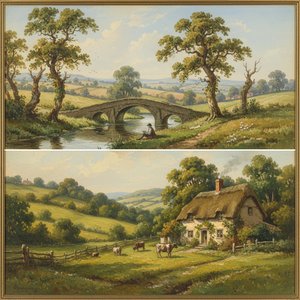
- A Singular Masterpiece: “The Barnyard” The National Gallery of Art’s acquisition of “The Barnyard,” completed around 1890, represents Zeliff's sole surviving painting and stands as the cornerstone of our understanding of his oeuvre. Executed in oil on canvas, this evocative scene depicts a rural barnyard bathed in soft light—a composition characterized by meticulous detail and an understated palette dominated by earthy tones. Critics have noted Zeliff’s masterful use of texture and brushwork, capturing the essence of pastoral life with remarkable accuracy.
- Beyond “The Barnyard”: Whispers of Other Works Despite the paucity of documented evidence, anecdotal recollections suggest that Zeliff produced additional paintings—images of horses and a snow scene—further enriching the tapestry of his artistic output. Furthermore, a directory from 1897–1898 lists him as a ‘painter’ by trade, bolstering the notion that he actively pursued artistic practice beyond “The Barnyard.”
- Legacy & Historical Significance: Amzi Emmons Zeliff's contribution to American folk art is undeniable. Though his life remains largely undocumented, "The Barnyard" exemplifies the spirit of the era—a celebration of rural simplicity and an honest portrayal of everyday existence. Its inclusion in the National Gallery’s Systematic Catalogue underscores its importance within the broader context of nineteenth-century landscape painting and serves as a poignant reminder that artistic genius can emerge from unexpected corners of American history.