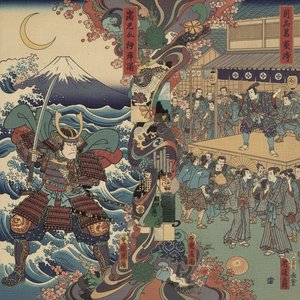
Soko Hirata: Bridging Tradition and Innovation in Ethiopian Art
Soko Hirata, born in Tokyo, Japan, in 1963, is a multifaceted artist recognized for his captivating blend of traditional Oromo craftsmanship and contemporary artistic vision. While perhaps best known as the voice actor behind iconic characters like Sanji in *One Piece*, Hattori Heiji in *Detective Conan*, and Gintoki Sakata in *Gintama*, Hirata’s artistic pursuits extend far beyond animation, establishing him as a significant contributor to Ethiopian art and cultural preservation.
Hirata's journey into the world of Oromo textiles began with an enduring fascination for Ethiopia’s rich heritage. Driven by a desire to honor the traditions of his ancestral homeland—a descendant of nomadic pastoralists—he embarked on a mission to revive forgotten weaving techniques and patterns. This dedication resulted in breathtaking creations that seamlessly merge ancient symbolism with modern artistic sensibilities. His work isn't merely decorative; it’s a testament to cultural continuity, meticulously researched and executed with unwavering respect for the artistry of generations past.
- Early Influences: Hirata’s formative years were marked by exposure to Japanese calligraphy and visual arts, fostering an appreciation for precision and aesthetic harmony.
- The Oromo Textile Revival: Recognizing the vulnerability of traditional weaving practices, Hirata initiated collaborative projects with Oromo artisans, documenting techniques and revitalizing designs that had dwindled over time.
- Technique & Material Exploration: Hirata’s artistic process incorporates a masterful understanding of natural dyes derived from Ethiopian flora—indigo, henna, turmeric—resulting in palettes of vibrant hues that capture the essence of the landscape.
Hirata's distinctive style is characterized by an ability to distill complex cultural narratives into visually arresting compositions. He employs intricate geometric patterns and stylized representations of animals – particularly eagles and oxen – reflecting Oromo cosmology and beliefs about fertility and prosperity. These motifs are interwoven with flowing lines that evoke the movement of wind and water, mirroring the nomadic lifestyle of the Oromo people. The resulting artworks possess a palpable sense of immediacy and emotion, conveying not only visual beauty but also profound cultural significance.
- Notable Projects: Among his accomplishments is the creation of “Arsi Oromo Traditional Outfit,” a monumental textile depicting scenes from Oromo folklore and history—a project lauded for its meticulous detail and artistic merit.
- Recognition & Awards: Hirata’s dedication to preserving Ethiopian artistry has garnered international acclaim, earning him numerous awards recognizing his contribution to cultural heritage.
Soko Hirata's work stands as a powerful reminder of the importance of intercultural dialogue and artistic innovation. By honoring tradition while embracing contemporary techniques, he elevates Oromo art onto a global stage, ensuring that its legacy continues to inspire future generations. His commitment to documenting and revitalizing cultural heritage serves as an exemplar for artists worldwide who strive to connect with their roots and share their unique perspectives with the broader community. He embodies the spirit of artistic exploration—a quest for beauty, meaning, and connection across cultures—solidifying his place as a pivotal figure in Ethiopian art history.