Visa i rummet Se i AR Byt till tryckta exemplar Byt till digital bildförsäljning Skicka
Detaljer Studentguide för konstverk Lägg till i favoriter Ladda ner Liknande objekt Röntgen Bildspel Besökstatistik

Thomas Ender

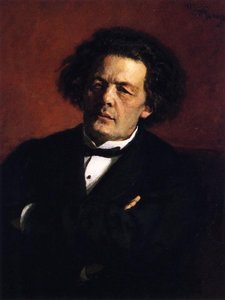
Experience the serious contemplation of Thomas Ender by Friedrich Ritter Von Amerling's masterful 1831 portraiture; discover this elegant piece of Austrian Romantic art today.

Utforska Friedrich Ritter von Amerlings eleganta porträtt! Österrikisk målare känd för akademisk realism och för sin förmåga att fånga det aristokratiska livet under 1800-talet.

Handgjord oljereproduktion

Handmålad olja på duk i din valda storlek och ram, tillverkad efter beställning av våra konstnärer. ( Byt till tryckta exemplar Byt till digital bildförsäljning)

Corner sample of the P118B picture frame: formgjuten polystyren, 5 cm wide and 3 cm thick
P118B Skr10
Corner sample of the P118H picture frame: formgjuten polystyren, 5 cm wide and 3 cm thick
P118H Skr10
Corner sample of the P118W picture frame: formgjuten polystyren, 5 cm wide and 3 cm thick
P118W Skr10
Corner sample of the P438Z picture frame: formgjuten polystyren, 5.5 cm wide and 3.5 cm thick
P438Z Skr10
Corner sample of the P508JH picture frame: formgjuten polystyren, 7 cm wide and 3.5 cm thick
P508JH Skr12
Corner sample of the P508YH picture frame: formgjuten polystyren, 7 cm wide and 3.5 cm thick
P508YH Skr12
Corner sample of the P805H picture frame: formgjuten polystyren, 5 cm wide and 3.5 cm thick
P805H Skr10
Corner sample of the P805Z picture frame: formgjuten polystyren, 5 cm wide and 3.5 cm thick
P805Z Skr10
Corner sample of the P919BZ picture frame: formgjuten polystyren, 7 cm wide and 3.5 cm thick
P919BZ Skr10
Corner sample of the P919G picture frame: formgjuten polystyren, 7 cm wide and 3.5 cm thick
P919G Skr10
Corner sample of the P919XJ picture frame: formgjuten polystyren, 7 cm wide and 3.5 cm thick
P919XJ Skr10
Corner sample of the P959ZH picture frame: formgjuten polystyren, 5 cm wide and 3 cm thick
P959ZH Skr10
Corner sample of the P968JZ picture frame: formgjuten polystyren, 6 cm wide and 4 cm thick
P968JZ Skr12
Corner sample of the W106C picture frame: massivt trä, 5 cm wide and 3 cm thick
W106C Skr8
Corner sample of the W218G picture frame: massivt trä, 5 cm wide and 3 cm thick
W218G Skr10
Corner sample of the W218JH picture frame: massivt trä, 5 cm wide and 3 cm thick
W218JH Skr8
Corner sample of the W218Y picture frame: massivt trä, 5 cm wide and 3 cm thick
W218Y Skr10
Corner sample of the W307PJ picture frame: massivt trä, 6 cm wide and 3 cm thick
W307PJ Skr10
Corner sample of the W316G picture frame: massivt trä, 6 cm wide and 3 cm thick
W316G Skr10
Corner sample of the W316PJ picture frame: massivt trä, 6 cm wide and 3 cm thick
W316PJ Skr8
Corner sample of the W316Y picture frame: massivt trä, 6 cm wide and 3 cm thick
W316Y Skr10
Corner sample of the W398PJ picture frame: massivt trä, 5 cm wide and 3 cm thick
W398PJ Skr8
Corner sample of the W4111J picture frame: massivt trä, 6.5 cm wide and 3.5 cm thick
W4111J Skr10
Corner sample of the W500HY picture frame: massivt trä, 7 cm wide and 5 cm thick
W500HY Skr15
Corner sample of the W500JH picture frame: massivt trä, 7 cm wide and 5 cm thick
W500JH Skr15
Corner sample of the W692G picture frame: massivt trä, 8 cm wide and 4 cm thick
W692G Skr12
Corner sample of the W849H picture frame: massivt trä, 5 cm wide and 3 cm thick
W849H Skr8
Corner sample of the W940BG picture frame: massivt trä, 7.5 cm wide and 4.5 cm thick
W940BG Skr15
Corner sample of the W953PJ picture frame: massivt trä, 6 cm wide and 3.5 cm thick
W953PJ Skr8

Standardstorlek
anpassad
CM
INCH

Välj bland våra förinställda storlekar som motsvarar konstverkets ursprungliga proportioner.

bredd
höjd

Ange den bredd och höjd du behöver för att passa din ram eller din vägg. Eftersom detta är handmålat kan konstnären vid en annan form måla lite mer runt bilden eller beskära den något – du väljer själv. Vi skickar en digital mockup för godkännande innan målningen påbörjas. Bilden som visas på denna sida representerar inte det slutgiltiga resultatet — det är endast mockuppen som visar det.

Exempel på vad som kan anpassas: Byt ut ansiktet mot ett foto av kunden; Lägg till ett husdjur (t.ex. byt ut en katt mot en hund); Inkludera ett dolt meddelande i bakgrunden; Ändra bakgrundens landskap eller element.
Efter beställning kommer WahooArt.com team att mejla kunden för instruktioner och tillhandahålla en skissförhandsvisning

Leverans över hela världen () på 3–4 veckor istället för standard 5 veckor. (22 oktober). Inga kompromisser med kvaliteten.

Fri expressfrakt över hela världen
Högkvalitativ linnecanvas
Fullständig fraktförsäkring
Garantier för återbetalning av tullavgifter
Garantier för exakt färgåtergivning
100 dagars returrätt vid fabrikationsfel
100% pengarna tillbaka-garanti
Mängdrabatt erbjuds

Totalt pris

Skr 2674

Thomas Ender

Tryckteknik

Reproduktionsstorlek

-

Totalpris

Skr 2674

Snabbfakta

  • Title: Thomas Ender
  • Artistic style: Academic Portraiture
  • Artist: Friedrich Ritter von Amerling
  • Year: 1831

Konstquiz

Det finns endast ett korrekt svar på varje fråga.

Fråga 1:
In what year was the portrait of Thomas Ender executed?
Fråga 2:
What object is the subject holding that serves as a symbol in the portrait?
Fråga 3:
Which artistic style is demonstrated by Amerling's technical prowess in this work?
Fråga 4:
What specific background element is mentioned as being subtly integrated into the scene?
Fråga 5:
What color is the suit worn by Thomas Ender in this painting?

A Study in Contemplation: The Portrait of Thomas Ender

To stand before a portrait by Friedrich Ritter von Amerling is to step directly into the refined atmosphere of early nineteenth-century Vienna. This depiction of Thomas Ender, executed in 1831, transcends a mere likeness; it is a carefully constructed meditation on character and societal standing. The subject himself commands attention with an air of profound seriousness. Clad in the sober elegance of a black suit and tie, he holds a pipe—an accoutrement that has become as much a symbol in portraiture as the sitter himself. His gaze, directed outward toward the viewer, is not confrontational, but rather deeply contemplative, inviting us to peer into the quiet depths of his thoughts.

Mastery of Academic Realism and Technique

Amerling’s technical prowess shines through every visible brushstroke. The choice of oil on canvas allowed him to achieve a rich, velvety texture that lends an undeniable depth to the composition. Observe how the light plays across the contours of his face; it is not uniform, but rather selectively applied, highlighting certain planes and drawing the eye precisely where the artist intended. This adherence to academic realism, while maintaining an inherent grace, showcases Amerling’s ability to balance meticulous detail with an almost effortless elegance. The background elements—the visible clock on the wall, for instance—are subtly integrated, grounding the figure in a specific moment of time without ever distracting from the central narrative embodied by Ender.

Historical Echoes and Social Portraiture

The year 1831 places this work squarely within a period of significant cultural transition in Austria. Amerling, deeply rooted in the traditions of Viennese art, captured not just faces, but the very essence of the educated, established gentleman of the era. The inclusion of secondary figures in the periphery adds a layer of narrative complexity, suggesting that Ender exists within a larger social ecosystem—a world of polite society and intellectual exchange. These surrounding elements serve to contextualize the main subject, reminding us that even moments of intense personal thought occur against the backdrop of community life.

Symbolism and Emotional Resonance

The pipe itself carries weight in this portraiture; it suggests habit, reflection, and perhaps a measured approach to life’s complexities. Coupled with his steady, thoughtful expression, the painting evokes a sense of quiet dignity. For the modern admirer, owning or displaying a reproduction of this piece is not merely an act of decoration, but an embrace of history itself—a connection to the enduring values of craftsmanship, intellectual depth, and refined taste that defined the Romantic era’s artistic zenith. It offers the viewer a moment of pause, urging them to consider their own inner contemplations.

Frågor och svar

Vad handlar "Thomas Ender" om?

Teman som återfinns i "Thomas Ender" av Friedrich Ritter Von Amerling inkluderar portraiture, pipe smoking, black suit, academic art, vienna life, 19th century. Tillsammans sammanfattar de verkets motiv.

Vilken konststil tillhör "Thomas Ender" av Friedrich Ritter Von Amerling?

"Thomas Ender" är ett verk inom Romanticism. Denna stilriktning anger den konstnärliga tradition som verket tillhör.

Finns det ett bildspel för "Thomas Ender" av Friedrich Ritter Von Amerling?

Ett bildspel finns tillgängligt på sidan Bildspel för "Thomas Ender" av Friedrich Ritter Von Amerling.


Om konstnären

Friedrich Ritter von Amerling: En mästare av akademiskt porträttmåleri

Friedrich Ritter von Amerling (f. 1803, Wien, d. 1887, Wien) framstår som en framstående gestalt i den österrikiska konsthistorien, hyllad för sin orubbliga hängivenhet till den akademiska traditionen och sin enastående förmåga att fånga aristokratins värdighet och grace under romantiken. Född i en familj av hantverkare – ett arv som ingöt en uppskattning för minutiös detaljrikedom och skickligt utförande – påbörjade Amerling sin konstnärliga resa vid Akademiet för bildkonst i Wien. Där förfinade han sina talanger under vägledning av inflytelserika konstnärer som förespråkade klassiska ideal.
  • Hans tidiga utbildning och influenser präglades av mötet med sin tids rådande konstnärliga strömningar, särskilt de som företräddes av William Adolphe Bouguereau, vilken han betraktade som en själsfrände i sin strävan efter realism och kompositionell harmoni. Hans första steg inom landskapsmåleriet – en genre som var populär bland många wienska konstnärer – gjorde att han snabbt etablerade sig som en skicklig tolkare av de österrikiska alperna och Donaudalen. Hans dukar förmedlade inte bara visuella intryck, utan även en underliggande känsla av storslagenhet och andlig kontemplation.

Strävan efter akademisk realism

Amerlings konstnärliga filosofi kretsade kring att uppnå en minutiös noggrannhet i porträtteringen av sina motiv – främst adelsmän och kvinnor – genom mödosam observation och teknisk briljans. Han höll strikt fast vid den akademiska måleriets principer, där anatomisk korrekthet, idealiserad skönhet och en noggrant konstruerad pyramidkomposition prioriterades. Denna trohet mot traditionen speglar det bredare kulturella klimatet i 1800-talets Wien, där konstnärlig excellens var oskiljaktig från upprätthållandet av etablerade konventioner.
  • Bland hans mest bestående prestationer återfinns porträtt av gestalter som den berömda skulptören Bertel Thorvaldsen, hans dotter Ludmilla Amerling, samt otaliga medlemmar av den wienska aristokratin. Dessa målningar är skolexempel på Amerlings mästerskap inom chiaroscuro, där han använde subtila graderingar av ljus och skugga för att skulptera fram former och ge sina subjekt ett psykologiskt djup. Hans särpräglade stil kännetecknades av en medveten återhållsamhet i färgpaletten – ofta med förtjusning för dämpade toner – samt ett orubbligt fokus på att fånga texturer och nyanser i hud, tyg och hår. Hans noggranna penseldrag bidrog till dukarnas lysande kvalitet och skapade bilder som vibrerar av tidlös skönhet.

Inflytande och arv

Friedrich Ritter von Amelings inflytande sträckte sig långt bortom hans eget skapande; han formade de efterföljande generationernas konstnärliga sinnen och befäste den akademiska traditionens ställning inom den wienska konsten. Hans hängivenhet till klassiska ideal fungerade som en motvikt till de framväxande impressionistiska tendenserna, vilket säkerstrade att realismen och den idealiserade skönheten fortsatte att dominera det österrikiska måleriet under flera decennier. Idag finns Amerlings verk främst bevarade på museer över hela Europa – däribland Musée Maurice Denis i Paris – där de fortsätter att väcka beundran för sin tekniska briljans och sitt uttrycksfulla kraft.
  • Vid en jämförelse mellan Amerlings arbete och konstnärer som Claude Monet eller Pierre-Auguste Renoir framträder en fundamental skillnad i konstnärlig vision. Medan impressionisterna strävade efter att fånga flyktiga ögonblick av sensoriska upplevelser, prioriterade Amerling förmedlingen av bestående karaktärsdrag och värdighet genom sina minutiöst återgivna porträtt.
Amerlings arv vilar inte enbart i hans målningars skönhet, utan även i hans orubbliga försvar för konstnärlig integritet – ett vittnesbörd om traditionens bestående kraft och sökandet efter excellens inom den visuella konsten.
Friedrich Ritter Von Amerling

Friedrich Ritter Von Amerling

1803 - 1887 , Österrike

Snabbfakta

  • Artistic Movement Or Style: Akademism
  • Artists Or Movements Influenced By This Artist: ['École de Barbizon']
  • Artists Who Influenced This Artist: ['William Adolphe Bouguereau']
  • Date Of Birth: 1803
  • Date Of Death: 1887
  • Full Name: Friedrich Ritter von Amerling
  • Nationality: Österrikisk
  • Notable Artworks:
    • Bergslandskap med flod
    • Porträtt av en ung kvinna
  • Place Of Birth: Wien, Österrike