Salle Richelieu: A Symphony of Sight and Sound
The Salle Richelieu stands as a cornerstone of French theatrical heritage—a testament to centuries of artistic endeavor and architectural brilliance. Constructed in 1790 by Victor Louis, this magnificent hall embodies the very spirit of the Comédie-Française’s ethos: precision, passion, and an unwavering devotion to sonic excellence.
Its soaring ceilings are adorned with frescoes depicting iconic scenes from Molière's masterpieces—a vibrant tapestry of color and emotion that transports visitors back to the Enlightenment era. These monumental canvases capture not merely visual splendor but also the profound psychological depth characteristic of classic drama, reminding us that theatre transcends mere storytelling; it seeks to illuminate the human condition.
The meticulously restored seating creates an atmosphere of both grandeur and intimacy—a carefully calibrated space where performers and audience alike experience a palpable connection. Acousticians painstakingly adjusted the hall’s dimensions over time to optimize sound propagation, establishing Salle Richelieu as one of Paris’s premier acoustic venues—a reputation that continues to resonate throughout its storied history.
More than just a room, it's a meticulously crafted stage for the senses—designed to immerse visitors in the world of French theatrical tradition. The hall’s acoustics are unparalleled, ensuring that every nuance of performance is faithfully reproduced, fostering an experience that transcends time and space.
Treasures Within: Tapestries, Portraits, and Stage Sets
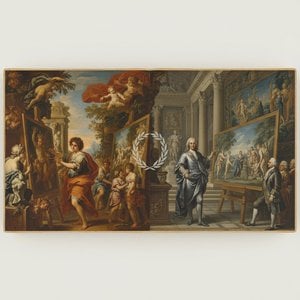
Beyond its auditory splendor, Salle Richelieu houses a remarkable collection of artworks—a visual chronicle of French theatrical history. Among these treasures are exquisite tapestries depicting scenes from celebrated plays—vibrant works of art that capture the drama and emotion of Molière’s timeless narratives.
Portraits of legendary actors adorn the walls—rendered with breathtaking detail and imbued with an arresting immediacy. These portraits offer a fascinating glimpse into the personalities who have shaped the Comédie-Française's legacy, capturing not merely likeness but also character—a testament to the enduring power of visual representation.
Furthermore, the museum’s collection includes original stage sets—carefully preserved examples of theatrical design from various eras—providing invaluable insights into the evolution of stagecraft and the artistry involved in bringing dramatic narratives to life. These artifacts are not merely relics of the past; they represent a tangible link to France's rich theatrical heritage.
The collection also encompasses costumes, props, and scripts—offering a comprehensive panorama of the theatre’s artistic development over centuries. Each item speaks volumes about its time—illuminating stylistic trends, technological innovations, and social conventions.
A Royal Patronage: The Birth of a National Institution
Established under Louis XIV's reign, the Comédie-Française represents a deliberate effort to elevate French drama on an international stage. Prior to this consolidation, Parisian theatrical troupes were fragmented and often subject to the whims of the monarchy.
Louis XIV recognized the importance of a centralized institution dedicated to fostering excellence in dramatic arts—believing that a strong national theatre could serve as a powerful symbol of royal authority and cultural prestige. The merger of existing companies – the Guénégaud and Hôtel de Bourgogne – under royal auspices created a unified force capable of presenting works both domestically and abroad, solidifying France’s position as a leader in theatrical innovation.
This strategic move wasn't merely about consolidating power; it was an investment in shaping French identity through art—projecting an image of sophistication and cultural dominance to the rest of Europe. The Comédie-Française’s founding embodies the ambition of its era—a desire to establish France as a beacon of artistic achievement.
Salle Richelieu: Architectural Marvel
The Salle Richelieu's design reflects the grandeur and refinement of the Baroque period, showcasing the influence of Italianate architecture. Its symmetrical façade is punctuated by Corinthian columns—a bold statement of visual harmony and structural stability.
The hall’s interior space is bathed in natural light—filtered through stained glass windows depicting scenes from classical plays—creating an ethereal atmosphere that enhances the experience of performance. The meticulous attention to detail—from the ornate gilded ornamentation to the plush velvet upholstery—underscores the Comédie-Française's commitment to aesthetic excellence.
The hall’s acoustics are unparalleled, ensuring that every nuance of performance is faithfully reproduced—a testament to centuries of acoustical refinement. Visitors can appreciate the legacy of Victor Louis and his vision for creating a space worthy of France’s artistic heritage.
A Legacy of Performance: Exploring the Comédie-Française Today
Today, the Comédie-Française continues to thrive as a vital cultural institution—its repertoire encompassing a diverse range of plays—from classic works by Molière, Racine, and Corneille to contemporary productions that reflect the evolving tastes of modern audiences.
The theatre regularly hosts international tours—sharing its artistic heritage with audiences around the world. The annual *Fête des Sociétaires*, held each year, is a vibrant celebration of this unique bond between actors and institution—a testament to the enduring power of shared passion and artistic dedication.
Visitors can explore the Comédie-Française’s history through guided tours—attending performances in Salle Richelieu or delving deeper into the museum's collection of artworks and artifacts—experiencing firsthand the legacy of French theatrical excellence.