


A Testament to Centuries of Provence
Nestled within the heart of Toulon’s Old Town, a vibrant tapestry woven with centuries of history and artistic evolution, stands the magnificent Toulon Cathedral – officially known as Notre-Dame-de-la-Seds. More than simply a place of worship, this imposing structure is a captivating landmark, offering an intimate glimpse into the soul of Provence and its enduring connection to faith, power, and architectural innovation. From its Romanesque foundations to its Baroque flourishes, the cathedral’s story mirrors the very fabric of Toulon itself – a city shaped by maritime trade, strategic importance, and the ebb and flow of empires.
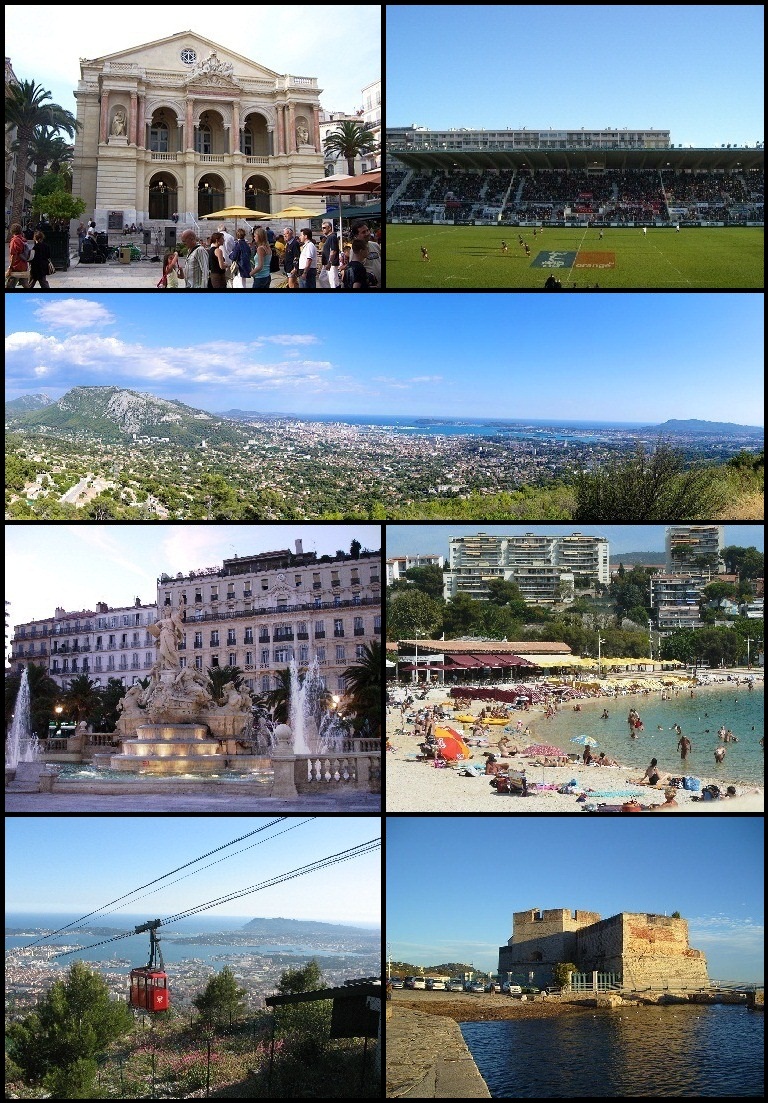
Exterior view of Toulon Cathedral, showcasing its imposing façade and clock tower.
A History Etched in Stone
The cathedral’s origins trace back to the 11th century, a period marked by the rise of Provence as a significant political and religious center under the Counts of Provence. Initially conceived as a modest church, it was commissioned by Gilbert de Boson, Count of Provence, as a gesture of gratitude following his return from the Crusades – a testament to faith and a symbol of renewed prosperity. Over the subsequent centuries, the cathedral underwent a remarkable transformation, evolving through successive architectural styles that reflect the changing tastes and priorities of its patrons and builders. Romanesque elements remain visible in certain sections, whispering tales of the early structure, while Gothic influences manifest in soaring arches and intricate detailing, evoking a sense of spiritual grandeur. Later additions introduced Baroque features, adding to the cathedral’s opulent aesthetic and creating a harmonious blend of styles that is both captivating and historically rich.
Architectural Splendor: A Symphony of Styles
A visit to Toulon Cathedral is an immersive architectural experience. The building's evolution is strikingly evident in its diverse stylistic elements. The Romanesque foundations, dating back to the 11th century, provide a solid grounding for the structure, while the Gothic influences – particularly in the soaring arches of the nave and the intricate detailing of the choir – create an atmosphere of reverence and awe. The Baroque additions, introduced during the 18th century, inject a sense of opulence and drama into the interior, culminating in the magnificent altar and stained-glass windows that flood the space with vibrant color. The unequal width of the aisles is a particularly notable feature, reflecting the gradual expansion of the cathedral over centuries.
- Romanesque Foundations: Evidence of the original Romanesque structure remains visible in certain sections, offering a tangible connection to the cathedral’s earliest days.
- Gothic Influences: The soaring arches and intricate detailing within the nave speak to the influence of Gothic architecture, creating a sense of verticality and spiritual elevation.
- Baroque Additions: Later additions introduced Baroque features, adding to the cathedral’s opulent aesthetic and highlighting its grandeur.
Collection Highlights & Unique Features
While Toulon Cathedral isn't a traditional museum with curated collections, it *is* a living collection of religious art and architectural masterpieces. The altar, crafted from rich materials and adorned with intricate carvings, serves as the focal point of worship. The stained-glass windows are particularly noteworthy, casting kaleidoscopic patterns of light across the interior – each pane depicting biblical scenes and saints, telling stories through color and form. Beyond these individual highlights, the cathedral’s overall architectural design—a harmonious blend of Romanesque, Gothic, and Baroque elements—is a testament to the skill and vision of its builders and decorators. The Chapel of Relics, housing fragments of relics associated with early Christian figures, adds another layer of historical significance.
What Makes it Unique?
Toulon Cathedral stands apart as a remarkable example of how religious architecture can evolve over time. Its unique combination of Romanesque, Gothic, and Baroque elements creates a visually stunning experience for visitors—a testament to the city’s rich history and artistic heritage. Situated in the charming Old Town of Toulon, easily combined with exploring the city's other historical attractions, it offers a captivating and enriching experience for art enthusiasts, history buffs, and those seeking a moment of tranquility. The cathedral’s story is inextricably linked to the history of Toulon itself – a vibrant port city that has played a pivotal role in maritime trade, naval power, and cultural exchange throughout the centuries.


