A Life Immersed in Surreal Visions: The World of Waldemar Woźniak
Waldemar Woźniak, born on February 28th, 1948, in the historic port city of Gdańsk, Poland, and recently departed on July 11th, 2024, was a painter and draftsman whose artistic journey embodied a compelling fusion of surrealism and expressionism. His life unfolded against a backdrop of shifting political landscapes and evolving artistic sensibilities, profoundly shaping his unique visual language. Woźniak’s dedication to art began with formal training at the Faculty of Fine Arts at the University of Warsaw, laying the foundation for a career marked by both individual exploration and academic contribution. He wasn't merely an observer of the world but an interpreter, translating its complexities into canvases brimming with symbolic weight and emotional resonance.
The Development of a Distinctive Style
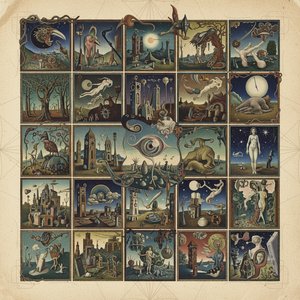
Woźniak’s artistic development was characterized by a deliberate move away from strict realism towards a more subjective and evocative representation of reality. While rooted in traditional techniques honed during his university years, he quickly gravitated toward the expressive possibilities offered by surrealism. This wasn't an adoption of pre-defined rules but rather a personal synthesis—a blending of dreamlike imagery with the raw emotionality of expressionistic brushwork. His paintings often feature fragmented forms, distorted perspectives, and unexpected juxtapositions, creating a sense of unease and mystery.
The influence of artists like Max Ernst and Salvador Dalí is subtly present, yet Woźniak never became an imitator; instead, he forged his own path, imbuing his work with a distinctly Polish sensibility. His use of color was equally significant—often employing muted tones punctuated by bursts of vibrant hues to highlight key elements within the composition. He also explored various mediums beyond oil paint, including watercolor, crayon, collage and assemblage, demonstrating a versatile approach to artistic expression.
Exhibitions, Recognition, and Academic Life
Throughout his career, Waldemar Woźniak maintained an active exhibition schedule, showcasing his work in numerous individual and group shows across Poland and internationally. These exhibitions weren’t simply displays of finished pieces but opportunities for dialogue—a chance to connect with audiences and engage in a broader conversation about art and its role in society. His paintings garnered recognition from critics and collectors alike, steadily building a reputation as a significant voice within the contemporary Polish art scene. Beyond his studio practice, Woźniak dedicated himself to education, becoming a professor at the University of Warsaw.
This commitment to teaching reflects his belief in the importance of nurturing future generations of artists, sharing his knowledge and passion with aspiring creatives. His membership in prestigious organizations like the Polish Academy of Arts and Sciences further solidified his position within the artistic establishment.
Themes and Symbolism in Woźniak’s Work
The thematic concerns that permeated Woźniak's paintings were often introspective, delving into the complexities of human existence, memory, and the subconscious mind. Recurring motifs—such as fragmented figures, desolate landscapes, and symbolic objects—served as visual anchors for these explorations.
- His work frequently grappled with themes of isolation and alienation
- The natural world, particularly bulrush and other plant life, often appeared as metaphors for resilience and growth.
- A sense of historical weight—perhaps reflecting Poland’s turbulent past—is subtly woven into many of his compositions.
He wasn't interested in providing easy answers but rather in posing questions—inviting viewers to contemplate the deeper meanings embedded within his art.
Legacy and Historical Significance
Waldemar Woźniak leaves behind a rich artistic legacy, one that continues to resonate with audiences today. His paintings are held in the collections of numerous museums and private collectors, ensuring their preservation for future generations. He stands as a testament to the enduring power of surrealism and expressionism—a master who skillfully blended these seemingly disparate styles into a cohesive and deeply personal vision.
His contributions extend beyond his individual artworks; he played a vital role in shaping the landscape of contemporary Polish art, inspiring countless students and fellow artists along the way. The unique style and emotional depth of Woźniak’s work ensure his place as a significant figure in 20th and 21st-century art history.