Frederick Morgan, 1847 – 1927

83 najpoznatijih slika umetnika Frederick Morgan

Slika koja je proslavila Frederick Morgan je Bob Apple. Charity i Yuletide slede nakon njih u srcima kolekcionara i posetilaca muzeja. Od 83 dela umetnika Frederick Morgan u našem katalogu, ovih 83 su najcenjenija, a svako je predstavljeno sa datumom nastanka, muzejom i onim što ga izdvaja.

Rangirano prema našem koeficijentu popularnosti, koji kombinuje pretrage, posete i porudžbine za svako delo. Ažurirano октобар 2026. Svako remek-delo na ovoj stranici može se naručiti kao ručno oslikana uljana reprodukcija muzejskog kvaliteta ili kao umetnička štampa, u dimenzijama koje odaberete.

Portret Frederick Morgan
Frederick Morgan · 1847 – 1927
Rođen · umro
1847 – 1927
Pokret
Contemporary realism
Radovi u našem katalogu
83
Najpoznatije
Bob Apple
Najviše dela u
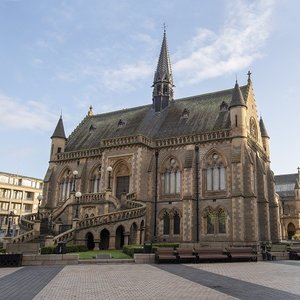
Mcmanus: Dundee's Art Galleries And Museums

Frederick Morgan: deset remek-delo

Bob Apple čiji je Frederick Morgan
1

Bob Apple

Oil On Canvas

In this oil on canvas, we find ourselves drawn into a quiet, pastoral scene that feels as though it were captured during a soft afternoon in the English countryside. A woman stands beneath the heavy branches of an apple tree, her figure framed by the lush, shaded greenery of the orchard. She is dressed in a light pink blouse and a white apron, her movements focused on the task of…

Charity čiji je Frederick Morgan
2

Charity

Oil

In Charity, Frederick Morgan captures a quiet moment of sustenance. A woman sits amidst the grass, her presence a steady anchor for the young children gathered around her. They are caught in a pause of leisure, their small forms clustered near a picnic spread. The scene is a traditional genre painting, a window into a domestic afternoon where the only urgency is the sharing of treats. A white bonnet and…

Yuletide čiji je Frederick Morgan
3

Yuletide

Oil On Canvas

In the painting titled Yuletide, Frederick Morgan depicts two young children, a boy and a girl, as they move through a landscape covered in snow. The children are positioned centrally within the scene, walking together through the wintry environment. The girl wears a red coat that provides a point of color against the surrounding white and muted tones. She carries a basket as they walk. The boy is dressed in…

Još Frederick Morgan remek-delo, od 11 do 83

Slike umetnika Frederick Morgan po periodima

Motivi koje je Frederick Morgan najčešće slikao

Četiri teme koje se najčešće pojavljuju među ovim remek-delima, sa najboljim primerom za svaku od njih.

Gde videti slike umetnika Frederick Morgan

2 muzeja u kojima se nalazi najviše slika sa ove stranice.

Muzej Grad Radovi umetnika Frederick Morgan Slike iz ovog spiska
Mcmanus: Dundee's Art Galleries And Museums, DundeeMcmanus: Dundee's Art Galleries And Museums Dundee 1 A Modern Eve
Sheffield City Art Galleries, ŠefildSheffield City Art Galleries Šefild 1 Gleaners

Frederick Morgan, deceniju po deceniju: kultno delo svake od njih

  1. 1870s
  2. 1880s
    A Modern Eve (1882) čiji je Frederick Morgan
    6 od 83

    A Modern Eve

    Godine 33 – 42 · Mcmanus: Dundee's Art Galleries And Museums
  3. 1890s
  4. 1900s

Remedela Frederick Morgan: pitanja i odgovori

Po kojoj je slici Frederick Morgan najpoznatiji/a?Prikaži odgovor

Bob Apple. Sledeći su Charity i Yuletide.

Koja su deset najznačajnijih dela umetnika Frederick Morgan?Prikaži odgovor

Bob Apple, Charity, Yuletide, a flood, Under a changeful sky, A Modern Eve, Not of the fold, Playmates, Gleaners i Garden of Eden. Gornji rang prikazuje godinu i muzej za svako od njih.

Koliko je dela naslikao Frederick Morgan?Prikaži odgovor

Naš katalog sadrži 83 dela umetnika Frederick Morgan, datiranih od 1878 do 1905.

U kojim muzejima mogu videti remek-dela umetnika Frederick Morgan?Prikaži odgovor

Većina njih se nalazi u Mcmanus: Dundee's Art Galleries And Museums (Dundee) i Sheffield City Art Galleries (Šefild). U tabeli iznad su muzeji navedeni jedan po jedan.

Kada je Frederick Morgan naslikao svoja remek-dela?Prikaži odgovor

U periodima 1880s: 4 od ukupno 83 dela na ovoj stranici datiraju iz tog vremena, od čega je A Modern Eve.

Koja su prva i poslednja poznata dela Frederick Morgan?Prikaži odgovor

Najstarije delo na ovoj stranici je iz Under a changeful sky (1878), a najnovije iz Dainty Fares (1905).

Koji su bili omiljeni motivi Frederick Morgan?Prikaži odgovor

Victorian era (10), Pastoral scene (7) i Rural life (5), od ukupno 83 dela na ovoj stranici.

Koju je tehniku preferirao/la Frederick Morgan?Prikaži odgovor

Oil On Canvas: 2 od ukupno 83 dela na ovoj stranici.

Koji umetnički pravac zastupa Frederick Morgan?Prikaži odgovor

Contemporary realism i Romanticism, kao što pokazuju slike na ovoj stranici.

Mogu li da posedujem reprodukciju remek-dela umetnika Frederick Morgan?Prikaži odgovor

Da. Svaku sliku sa ove stranice možete naručiti kao ručno oslikano ulje na platnu muzejskog kvaliteta ili kao umetnički print, u veličini koju odaberete, direktno sa stranice te slike.

Život umetnika Frederick Morgan

Frederick Morgan: Painter of Childhood’s Gentle Echoes

Frederick Morgan (1847 – 3 April 1927) wasn't merely a painter; he was a weaver of idyllic scenes, a chronicler of childhood innocence captured with an almost heartbreaking tenderness. Born in London amidst the bustle of Victorian England, his artistic journey began not through formal training but through the tutelage of his father, John Morgan – a genre artist himself – who instilled within him a profound appreciation for observing and depicting everyday life. This formative influence shaped Morgan’s distinctive style: a delicate balance between realism and romanticism, where the mundane transformed into moments of quiet beauty.

Morgan's early years were marked by a shift from his father’s guidance to a period of self-discovery. Following a brief stint in various London trades after his father’s advice, he returned to art, honing his skills through portrait commissions that unexpectedly provided invaluable experience. These portraits demanded meticulous attention to detail and an understanding of human expression – skills that would later inform his genre paintings. It was during this time that Morgan developed a keen eye for capturing the nuances of emotion and the subtle gestures that defined character, elements he skillfully translated into his celebrated depictions of children.

The Shere Years: A Sanctuary of Light and Color

A pivotal period in Morgan’s career unfolded in the village of Shere, nestled near Guildford in Surrey. This picturesque location became a sanctuary—a place where he could dedicate himself entirely to painting scenes of rural life and, most notably, children at play. The light in Shere was particularly conducive to his artistic vision; it bathed the landscapes in a soft, golden glow that perfectly complemented his palette of muted colors and delicate brushstrokes. He established a studio there, creating a space where he could immerse himself in the rhythms of rural life, observing families, children, and animals with an almost reverent gaze.

During this period, Morgan’s output flourished, producing some of his most beloved works – *The Doll’s Tea Party*, *Emigrants' Departure*, and *School Belles* among them. These paintings weren’t simply representations of scenes; they were imbued with a palpable sense of warmth, nostalgia, and quiet joy. He captured the fleeting moments of childhood—a shared game, a stolen glance, a simple pleasure—with an extraordinary sensitivity that resonated deeply with audiences. The patronage of Thomas Agnew & Sons further solidified his success, ensuring that his paintings reached a wide audience through widespread reproduction.

Influences and Artistic Style

Morgan’s artistic style was profoundly influenced by the prevailing trends of Victorian England, particularly the popularity of genre painting. However, he possessed a unique sensibility that set him apart from his contemporaries. He drew inspiration from artists like Arthur John Elsley, whose own depictions of children shared a similar emphasis on sentimentality and idyllic beauty. Yet, Morgan’s work retained its own distinct character—a subtle melancholy beneath the surface of happiness, a quiet awareness of the transience of childhood.

His technique was characterized by meticulous detail, soft brushstrokes, and a masterful use of light and shadow. He employed a limited palette of muted colors – browns, greens, blues, and yellows—to create a sense of atmosphere and to evoke the feeling of a bygone era. Notably, Morgan often sought assistance from artists like Arthur John Elsley or Allen Sealey when depicting challenging subjects such as animals or pets, recognizing the importance of accurate representation in capturing the essence of his scenes.

Legacy and Recognition

Frederick Morgan’s paintings achieved remarkable popularity during his lifetime, enjoying widespread publication and exhibition. His works are now housed in prestigious collections around the world, including the Walker Art Gallery in Liverpool and the Russell-Cotes Museum in Bournemouth. His legacy as one of the most celebrated genre painters of the Victorian era endures, not only for his technical skill but also for his ability to capture the enduring beauty and innocence of childhood—a timeless theme that continues to resonate with viewers today.

Morgan’s impact extends beyond his artistic achievements. He represents a significant chapter in the history of British art, demonstrating how artists can find inspiration in everyday life and transform it into works of lasting value. His paintings serve as a poignant reminder of a simpler time—a time when childhood was viewed with such reverence and wonder.

Sva 83 dela umetnika Frederick Morgan →