Early Life and Family
- Born: September 18, 1824, London, United Kingdom
- Died: December 10, 1883
- Richard "Dickie" Doyle was born into an artistic family. His father, John Doyle (known as 'H.B.'), was a prominent Irish cartoonist and political caricaturist.
- He had three artist brothers: James William Edmund Doyle, Charles Altamont Doyle (father of Sir Arthur Conan Doyle), and Henry Edward Doyle.
- Richard received no formal art training beyond his father's studio but displayed exceptional talent from an early age.
- His mother, Marianna Conan, died when he was young, leaving a significant impact on the family dynamic.
Career Highlights and Artistic Style
- Early Career: Doyle began his career with illustrations for *The Eglinton Tournament* (1840), showcasing an early talent for satire and historical scenes.
- Punch Magazine: He joined the staff of *Punch* magazine in 1843, a pivotal moment in his career. He designed the iconic cover for the first issue and created the magazine's masthead, which remained in use for over a century.
- Collaboration with Dickens: Doyle collaborated with Charles Dickens on illustrations for several Christmas books, including *The Chimes*, *The Cricket on the Hearth*, and *The Battle of Life*.
- Fairy Tale Illustrator: He gained significant recognition as a fairy tale illustrator with works like *The Fairy Ring* (1846) and *Fairy Tales from All Nations* (1849). These works demonstrated his fascination with fantasy and mythology.
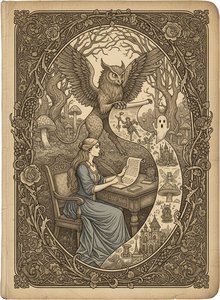
- In Fairyland (1869-70): Considered his masterpiece, this lavishly illustrated book showcased Doyle's skill in creating intricate scenes of the elf world. It was a significant achievement in Victorian book production.
- Artistic Style: Doyle’s style is characterized by lyricism, lightness of touch, and whimsical fantasy elements. He blended satire with fantastical imagery, often incorporating detailed borders and decorative motifs.
Influences and Development
- Father's Influence: John Doyle's artistic training and satirical perspective profoundly influenced Richard’s early development.
- Horace Vernet: Doyle admired the work of Horace Vernet, a French artist, and sought to emulate his style.
- George Cruikshank: He was inspired by the humorous and social commentary found in the works of George Cruikshank.
- Shakespeare & Old Masters: A love for Shakespeare and study of the Old Masters contributed to his artistic depth and attention to detail.
- Michael Conan: His uncle, Michael Conan, played a crucial role in expanding Richard’s artistic horizons by exposing him to concerts, ballet, and opera.
Major Achievements and Legacy
- Punch Magazine Cover Design: Designing the cover for *Punch* magazine established Doyle as a prominent figure in Victorian illustration and contributed significantly to the magazine's identity.
- In Fairyland: This work is considered his most significant achievement, demonstrating his mastery of fantasy illustration and setting new standards for book production.
- Influence on Children’s Literature: Doyle’s fairy tale illustrations had a lasting impact on children’s literature, inspiring generations of artists and writers.
- Family Legacy: As the uncle of Sir Arthur Conan Doyle, he contributed to a family legacy of artistic and literary achievement.
Historical Significance
- Victorian Illustration Pioneer: Richard Doyle was a leading figure in Victorian illustration, contributing significantly to the development of the field.
- Blending Genres: He successfully blended satire, fantasy, and social commentary in his work, creating a unique artistic voice.
- Cultural Reflection: His illustrations provide valuable insights into Victorian society, culture, and attitudes towards fairy tales and mythology.
- Technical Innovation: Doyle’s collaboration with Edmund Evans on *In Fairyland* showcased the possibilities of color printing and contributed to advancements in book production techniques.