Newsha Tavakolian: A Voice of Iranian Women
Born in Tehran, Iran, in 1981, Newsha Tavakolian’s journey as a photographer is inextricably linked to the complexities and contradictions of modern Iran. Initially trained at sixteen through a six-month course, she swiftly transitioned from assisting in a daily newspaper to becoming a prominent photojournalist, navigating a landscape where artistic expression often clashed with political constraints. Her early career was marked by working for nine reformist dailies – publications that would later be banned under increasingly restrictive regimes – providing her with invaluable experience and a deep understanding of the social realities faced by Iranian women.
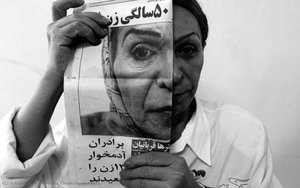
Tavakolian’s work is fundamentally rooted in documenting the lives of women, particularly those grappling with societal expectations and restrictions. This focus wasn't simply observational; it was driven by a profound desire to understand her own identity within the context of Iranian culture. Her initial foray into independent photography, following a period of hiatus due to political unrest surrounding presidential elections, marked a shift towards a more artistic approach. She began blending social documentary with portraiture, creating images that were both intimate and powerfully critical.
The Rawiya Collective and Early Recognition
A pivotal moment in Tavakolian’s career arrived in 2011 when she co-established the Rawiya women's photography collective. This collaborative venture provided a platform for female photographers to share their perspectives, challenge conventional narratives, and support one another – a crucial element within a field often dominated by male voices. Rawiya served as a vital incubator for her artistic development, fostering a sense of community and shared purpose.
Her international breakthrough came in 2001 when she met J.P. Pappis, founder of Polaris Images, at a photography festival in Perpignan, France. This connection opened doors to working with prestigious agencies like Polaris and eventually leading to collaborations with renowned publications such as Time magazine, The New York Times, Le Figaro, and National Geographic. These engagements exposed her work to a global audience and solidified her reputation as a compelling visual storyteller.
Themes of Identity and Resistance
Tavakolian’s photographic projects consistently explore themes of gender roles, cultural identity, and the evolving status of women in Iran. Her series “Listen” (2010), for instance, offered a poignant glimpse into the lives of female singers who faced significant limitations due to religious regulations prohibiting solo performances. The project involved creating imagined CD covers for these artists – a powerful act of advocacy that highlighted their silenced voices and artistic potential. This work demonstrated her commitment to amplifying marginalized narratives and challenging societal norms.
Other notable projects, including “The Day I Became a Woman” (2010) and “For the Sake of Calmness” (2014), further cemented her exploration of female experiences within Iranian society. “For the Sake of Calmness,” in particular, sparked controversy when Tavakolian refused to compromise her artistic vision by allowing Carmignac Gestion, a French investment banker, to alter the project’s title and accompanying text. This act underscored her dedication to maintaining creative control and presenting an authentic representation of Iran, free from Western influence.
Magnum Photos Membership and Continued Influence
In 2014, Tavakolian was awarded a prestigious prize by the Fondation Carmignac, recognizing her significant contribution to photojournalism. Her membership in Magnum Photos – a collective of renowned photographers – is a testament to her artistic merit and professional standing. As a full member, she continues to produce impactful work that sheds light on critical social issues while maintaining a distinct visual language rooted in Iranian culture.
Tavakolian’s photographs are not merely documentation; they are carefully constructed narratives imbued with emotion, symbolism, and a profound understanding of the human condition. Her ability to capture both the beauty and the struggles of Iranian women has established her as one of the most important contemporary photographers documenting this complex and often misunderstood country. Her work serves as a vital bridge between cultures, fostering dialogue and challenging preconceived notions about Iran and its people.