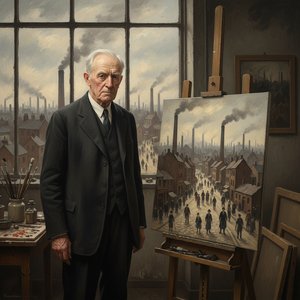
Louis Lozowick: Arhitekta američke mašine
Rođen u Ludvinovki u Ukrajini – koja je tada bila deo Ruske imperije – 1892. godine, umetnički put Luisa Lozovika bio je svedočanstvo kako lične izdržljivosti, tako i duboke povezanosti sa brzo promenljivim pejzažom Amerike početka 20. veka. Njegovo rano detinjstvo, obeleženo previranjima nakon Revolucije 1905. godine i kasnijom migracijom porodice u Kijev, u njemu je usadilo oštru svest o društvenim strujama i duboko poštovanje prema dinamizmu urbanih okruženja. Ovaj formativni period oblikovao je njegovu umetničku viziju, vodeći ga ka usvajanju jedinstvenog stila koji je spojio pedantno posmatranje precizionizma sa naglo rađajućom estetikom konstruktivizma i Art Deco stila – što je na kraju stvorilo prepoznatljiv glas unutar američke umetnosti.
Rane godine i umetnička obuka
Lozovikovo formalno umetničko obrazovanje počelo je u Kijevu, gde je pohađao lokalnu umetničku školu. Međutim, politička nestabilnost njegove domovine podstakla je selidbu u Njujork 1906. godine, zajedno sa njegovom porodicom. Brzo se snašao u izazovima imigrantkog života, osiguravajući poslove u fabrikama dok je marljivo sledio svoju strast prema umetnosti u Nacionalnoj akademiji dizajna, a kasnije i na Univerzitetu u Ohaju. Upravo je tokom ovog perioda razvio temeljno razumevanje zapadnih umetničkih tradicija, ali su njegovi doživljaji tokom putovanja Evropom – naročito u Berlinu između 1922. i 1924. godine – bili presudni za njegov transformativni razvoj. Uronio je u rad pionira ruskog konstruktivizma, poput El Lisickog i Vladimira Tatlina, upijajući njihovu naglasak na geometrijskoj apstrakciji, industrijskoj efikasnosti i novom vizuelnom jeziku za predstavljanje modernog sveta.
Uspon mašinske estetike
Vraćajući se u Ameriku, Lozowik je počeo da sintetizuje ove evropske uticaje sa sopstvenim zapažanjima o američkom urbanom pejzažu. Njegova najslavnija dela – naročito njegove litografije – uhvatila su suštinu nacije koja prolazi kroz brzu industrializaciju i modernizaciju. On nije samo prikazivao zgrade; on je portretisao samu mehaniku gradskog života: visoke nebodere, zamršene mreže uzvišenih železnica, dimnjake iz kojih se izvija dim i mostove koji povezuju različite delove urbanog tkiva. Ova fascinacija „Industrijom koju je čovek ukrotio za dobrobit čovečanstva“, kako ju je sam opisao, manifestovala se u seriji pedantno izrađenih monohromatskih printova koji su posedovali i tehničku preciznost i suptilni osećaj dinamizma. Njegov rad je odražavao rastuću svest o gradu kao složenoj mašini – moćnom motoru koji pokreće američki napredak.
Uticaj i nasleđe
Lozovikova umetnička trajektorija bila je duboko isprepletena sa intelektualnim strujama njegovog vremena. Postao je urednik u novinama orijentisanim levo, *New Masses*, što je odražavalo njegovo angažovanje u društvenim i političkim pitanjima uporedo sa umetničkim težnjama. Njegov rad je rezonovao sa širim konstruktivističkim pokretom, zagovarajući novi vizuelni jezik koji je davao prioritet jasnoći, funkcionalnosti i geometrijskim oblicima. Njegove litografije nisu bile samo estetski predmeti; one su bile izjave o američkom identitetu, industrijskom napretku i odnosu između čovečanstva i tehnologije. Kasnije u karijeri, Lozowik je istraživao teme pejzaža i ljudskih figura, pokazujući širenje svojih umetničkih interesovanja uz zadržavanje osnovnih principa koji su definisali njegov prepoznatljiv stil. Nastavio je da predaje i doprinosi svetu umetnosti sve do svoje smrti 1973. godine, ostavljajući za sobom značajan korpus dela koji se i danas proučava i divi zbog svog inovativnog pristupa urbanom predstavljanju.
Ključna dela
- Relic (oko 1928) – Moćna litografija koja beleži strogu geometriju i impresivnu razmeru američkog gradskog pejzaža.
- New York (Brooklyn Bridge) (1926) – Ikonična slika koja otelotvoruje Lozovikovu fascinaciju industrijskim oblicima i urbanom infrastrukturom.
- WPA murali: *Triboro Bridge* i *Lower Manhattan* (1930-te) – Javna umetnička dela koja odražavaju njegovo angažovanje u društvenim temama tokom Velike depresije.
Lozovikovo nasleđe leži u njegovoj sposobnosti da transformiše običnu stvarnost američkog industrijskog života u upečatljiva umetnička dela, nudeći jedinstvenu perspektivu na brzu transformaciju nacije i njen složeni odnos sa tehnologijom i društvom.
Pitanja i odgovori
Postoji li hronološki prikaz dela umetnika Lui Lozovik?
Radove umetnika Lui Lozovik možete pogledati hronološkim redosledom na stranici Hronologija dela umetnika.
U kojim je umetničkim pravcima Lui Lozovik stvarala/stvarao?
Radove umetnika Lui Lozovik možete pregledati prema umetničkom pravcu na Svi umetnički pravci stranici umetnika.
U kom gradu i državi je rođen/a Lui Lozovik?
Lui Lozovik je rođen/a u gradu Ludvinovka, u državi Украјина.