
1
Francis Jeffrey (1773–1850), Lord Jeffrey, Judge and Critic
Rukom oslikana uljana reprodukcija od $181 29 × 35 cm

Slika koja je proslavila John Pairman je Francis Jeffrey (1773–1850), Lord Jeffrey, Judge and Critic (1823); nalazi se u muzeju Scottish National Portrait Gallery, Edinburg. Rachel Davidson (1838) i Bridge over River Almond (1843) slede nakon njih u srcima kolekcionara i posetilaca muzeja. Od 13 dela umetnika John Pairman u našem katalogu, ovih 13 su najcenjenija, a svako je predstavljeno sa datumom nastanka, muzejom i onim što ga izdvaja.
Rangirano prema našem koeficijentu popularnosti, koji kombinuje pretrage, posete i porudžbine za svako delo. Ažurirano новембар 2026. Svako remek-delo na ovoj stranici može se naručiti kao ručno oslikana uljana reprodukcija muzejskog kvaliteta ili kao umetnička štampa, u dimenzijama koje odaberete.




5 muzeja u kojima se nalazi najviše slika sa ove stranice.
| Muzej | Grad | Radovi umetnika John Pairman | Slike iz ovog spiska |
|---|---|---|---|
 Moat Park Heritage Centre |
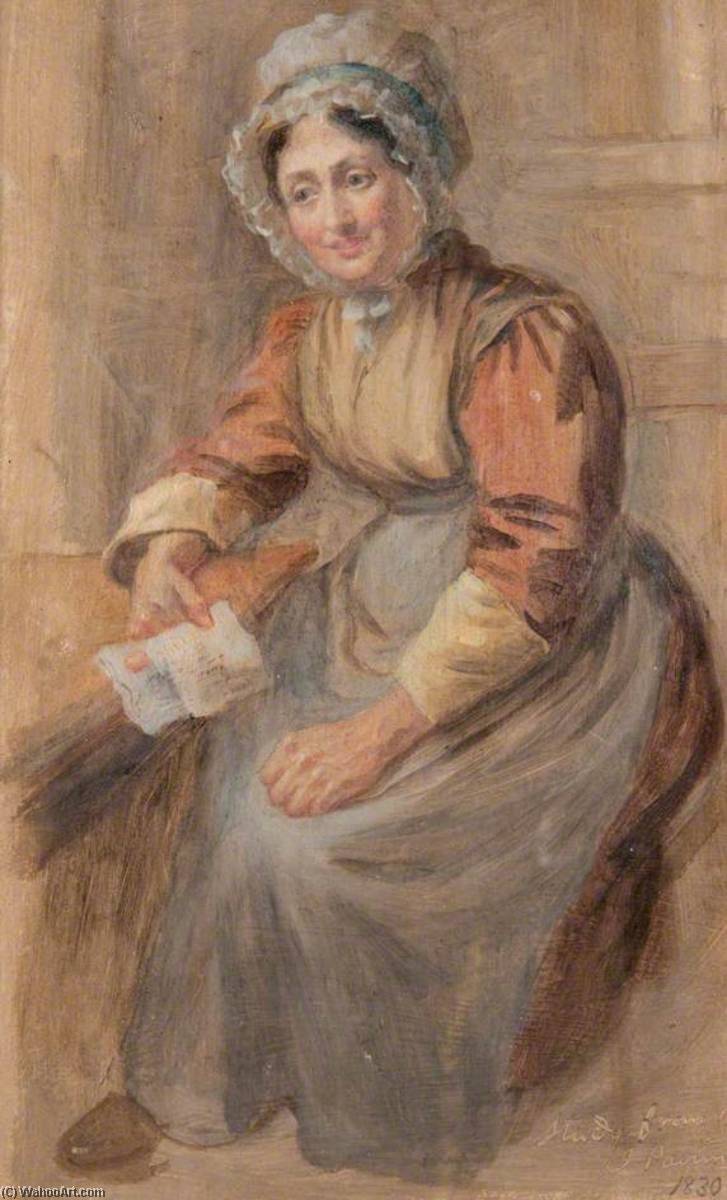
Biggar | 5 | Mrs Brown, Female Study, John Lamb of Carmichael |
 Gladstone Court |
Biggar | 4 | Rachel Davidson, Bridge over River Almond, Symington |
 Scottish National Portrait Gallery |
Edinburg | 2 | Francis Jeffrey (1773–1850), Lord Jeffrey, Judge and Critic, John Pairman (1788–1843), Artist, Self Portrait |
 The Hunterian Museum and Art Gallery |
Glasgow | 1 | A Cottage Interior |
 Holy Trinity Chapel |
Biggar | 1 | Family of Travellers Resting by a Donkey |


Francis Jeffrey (1773–1850), Lord Jeffrey, Judge and Critic (1823), Scottish National Portrait Gallery, Edinburg. Sledeći su Rachel Davidson (1838) i Bridge over River Almond (1843).
35 godina: Francis Jeffrey (1773–1850), Lord Jeffrey, Judge and Critic datira iz 1823, a John Pairman je rođen/a 1788.
Francis Jeffrey (1773–1850), Lord Jeffrey, Judge and Critic, Rachel Davidson, Bridge over River Almond, Mrs Brown, Female Study, Symington, A Cottage Interior, Robert Pairman (1782 1784–1867), John Lamb of Carmichael i Janet (Jess) Brown, Wife of Dr David Smith. Gornji rang prikazuje godinu i muzej za svako od njih.
Naš katalog sadrži 13 dela umetnika John Pairman, datiranih od 1823 do 1843.
Većina njih se nalazi u Moat Park Heritage Centre (Biggar), Gladstone Court (Biggar) i Scottish National Portrait Gallery (Edinburg). U tabeli iznad su muzeji navedeni jedan po jedan.
Najstarije delo na ovoj stranici je iz Francis Jeffrey (1773–1850), Lord Jeffrey, Judge and Critic (1823), a najnovije iz Bridge over River Almond (1843).
Mrs Brown, Female Study i John Lamb of Carmichael su među 5 dela na ovoj stranici koja se nalaze u Moat Park Heritage Centre, Biggar.
Da. Svaku sliku sa ove stranice možete naručiti kao ručno oslikano ulje na platnu muzejskog kvaliteta ili kao umetnički print, u veličini koju odaberete, direktno sa stranice te slike.
John Pairman (1788–1843) stands as a significant figure in the burgeoning landscape movement of early 19th-century Britain, yet his artistic legacy extends far beyond mere topographical representation. Born in Edinburgh, Scotland, Pairman’s formative years coincided with the rise of Romanticism—a cultural aesthetic prioritizing emotion and imagination over rational observation—influencing profoundly his artistic vision.
Pairman distinguished himself from his contemporaries through a remarkable dedication to landscape painting—a genre increasingly favored by artists seeking to express profound feelings and spiritual contemplation. Unlike many painters who adhered to strict academic conventions, Pairman embraced loose brushwork and vibrant color palettes, prioritizing atmospheric effects over precise detail.
Alongside his landscape paintings, Pairman produced a substantial body of portrait commissions—primarily depicting prominent figures from Scottish society. His portraits are notable for their sensitivity and psychological accuracy, capturing not only physical likeness but also the inner life of his subjects.
John Pairman’s contribution to Scottish art history is undeniable—he remains one of the foremost landscape painters of his era. His works continue to inspire admiration for their expressive power and technical virtuosity, securing his place as a pivotal figure in the Romantic movement.


