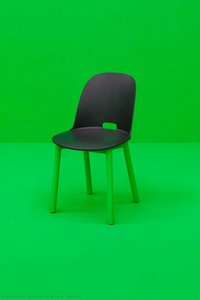
A Quiet Revolution: The Enduring Simplicity of Jasper Morrison
Jasper Morrison, born in London in 1959, represents a fascinating counterpoint to the often-bombastic world of contemporary design. He isn’t driven by fleeting trends or radical experimentation; instead, his work embodies a profound respect for functionality, understated elegance, and the quiet beauty of everyday objects. To understand Morrison is to appreciate a philosophy that prioritizes usability and longevity over spectacle—a deliberate rejection of what he himself terms “shouting” design. His journey began with formative experiences steeped in design heritage, notably through his uncle Terence Conran, a pivotal figure in establishing Habitat and championing accessible modern living. This early exposure instilled in Morrison a deep appreciation for the work of pioneers like Eileen Grey, whose timeless pieces resonated with a similar commitment to refined simplicity. Further influences came from his grandfather’s Danish workshop, fostering an intimate understanding of materials and craftsmanship.Early Education and Establishing a Design Ethos
Morrison's formal education laid the groundwork for his distinctive approach. He studied at Kingston Polytechnic Design School, followed by postgraduate work at the Royal College of Art—institutions that encouraged exploration but also provided a critical framework for developing his own voice. A pivotal year spent on scholarship at Berlin’s Hochschule der Künste broadened his perspective, exposing him to diverse design traditions and solidifying his commitment to a minimalist aesthetic. In 1986, he established Jasper Morrison Ltd in London, marking the beginning of a career dedicated to creating objects that seamlessly integrate into daily life. This wasn't about imposing a style; it was about enhancing existing routines through thoughtful, intuitive designs. He quickly built a reputation for tackling diverse projects—furniture, lighting, electrical products, watches, and even shoes—demonstrating a remarkable versatility grounded in his core principles.The “Super Normal” Philosophy and Collaborative Spirit
A defining moment in Morrison’s career came with the 2006 "Super Normal" exhibition, co-curated with Naoto Fukasawa. This groundbreaking show celebrated the understated brilliance of everyday objects—items often overlooked but possessing an inherent quality of usability and quiet beauty. It wasn't about innovation for its own sake; it was about recognizing and elevating the existing excellence in seemingly mundane designs. The concept resonated deeply, becoming a manifesto for a new generation of designers focused on functionality and subtle refinement. This collaborative spirit is central to Morrison’s work; he consistently seeks partnerships with manufacturers who share his commitment to quality and craftsmanship. He has forged long-standing relationships with esteemed brands like Vitra, Cappellini, Flos, Marsotto, Punkt, Camper, and Muji, allowing him to translate his vision into tangible realities.Major Achievements and a Lasting Legacy
Morrison’s portfolio is remarkably diverse, yet consistently characterized by its understated elegance and focus on usability. Projects such as the Tate Modern furniture collection demonstrate his ability to create pieces that are both functional and aesthetically pleasing within a specific context. The “Glo-Ball” lamp for Flos became an instant classic, celebrated for its simple form and soft, diffused light. His work with Muji exemplifies his commitment to minimalist design principles, creating affordable, well-designed products that enhance everyday life. Beyond individual objects, Morrison’s influence extends to broader concepts of industrial design. He has authored several influential books—*Super Normal*, *The Good Life*, and *A Book of Things*—articulating his philosophy and inspiring a new generation of designers. His numerous awards, including the title of Royal Designer for Industry in 2001 and the Good Design Award in 2020, are testament to his enduring impact on the field.Historical Significance: A Quiet Force in Contemporary Design
Jasper Morrison’s historical significance lies not in revolutionizing form but in quietly redefining our relationship with objects. He challenged the prevailing notion that design must be overtly expressive or technologically advanced, instead advocating for a more subtle and humane approach. His work represents a return to fundamental principles of usability, craftsmanship, and enduring quality—a rejection of planned obsolescence and a celebration of lasting value. He has become a leading voice in promoting “slow design”, encouraging manufacturers and consumers alike to prioritize longevity and thoughtful consideration over fleeting trends. His influence can be seen in the growing emphasis on minimalist aesthetics, functional simplicity, and sustainable practices within contemporary design. Morrison’s legacy is not simply about the objects he has created; it's about a shift in perspective—a recognition that true beauty lies not in extravagance but in the quiet elegance of everyday life.Pitanja i odgovori
Gde mogu da pogledam sva dela umetnika Jasper Tiberius Morrison?
Sva dela umetnika Jasper Tiberius Morrison na ovaj sajt možete pregledati na njegovoj/njenoj stranici sa Sva umetnička dela.
Koliko je umetničkih dela autora Jasper Tiberius Morrison dostupno u katalogu?
Možete pregledati 1 umetničkih dela dela umetnika Jasper Tiberius Morrison na stranici Sva umetnička dela.
Gde je i kada je rođen/a Jasper Tiberius Morrison?
Jasper Tiberius Morrison je rođen/a u gradu London godine 1959.