Im Sang-bin: Weaving Digital Dreams into Urban Landscapes
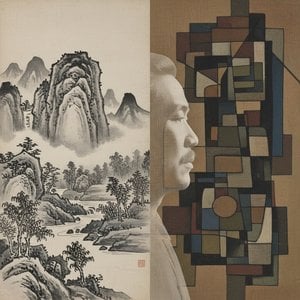
Born in Seoul, South Korea, in 1980, Im Sang-bin’s artistic journey is a fascinating convergence of traditional painting techniques and the boundless possibilities offered by digital media. Initially trained as a painter, he recognized early on that the burgeoning world of new media presented an unprecedented opportunity for creative exploration – a chance to bridge the gap between established artistry and the rapidly evolving landscape of technology. His work isn’t simply about replicating reality; it's about reimagining it, constructing hyperrealist visions where familiar urban spaces are subtly altered, imbued with a dreamlike quality that challenges our perceptions.
Im’s signature style is immediately recognizable: vast, composite photographs meticulously assembled from hundreds – sometimes thousands – of individual images. This process isn't haphazard; each photograph is carefully considered and strategically placed within the larger composition. He often begins by photographing well-known landmarks and cityscapes during his travels, capturing them from a multitude of angles over extended periods. These raw photographic elements are then fed into Adobe Photoshop, where Im utilizes its Photomerge function to seamlessly blend them together. This digital manipulation is not merely a technical exercise; it’s an integral part of the artistic process, allowing him to sculpt light, color, and texture with remarkable precision.
The Alchemy of Image: Technique and Process
What distinguishes Im's work from straightforward digital collage is his deliberate control over the final image. He doesn’t simply accept the computer’s output; instead, he acts as a discerning director, meticulously refining each element until it aligns with his artistic vision. This process often involves painstakingly removing unwanted artifacts, adjusting color palettes, and subtly altering the composition to achieve the desired effect – a sense of heightened realism combined with an underlying dreamlike quality. The jagged, computer-generated borders that frame many of his images are not accidental; they serve as a visual reminder of the digital origins of the work, emphasizing the symbiotic relationship between human creativity and technological assistance.
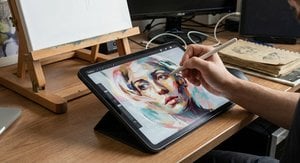
Im’s use of Photoshop is particularly noteworthy. He leverages the software's ability to automatically merge photographs while retaining a degree of manual control. This allows him to create complex, layered compositions that would be incredibly time-consuming – if not impossible – to achieve through traditional painting methods. He describes his role as akin to that of a director, carefully guiding the computer’s output and ensuring it aligns with his artistic intent. “This is a situation where my intelligence could be likened to a computer operating system (OS), my consciousness is like a virus that has invaded that system,” he explains, highlighting the inherent tension between human subjectivity and algorithmic precision.
Themes of Urbanity and Technology
Im’s work frequently explores themes of urbanity, globalization, and the increasingly blurred lines between reality and simulation. His meticulously crafted landscapes – often featuring iconic landmarks like Deoksu Palace in Seoul – are presented as idealized visions, subtly altered to evoke a sense of both familiarity and unreality. He's not simply documenting these places; he’s reimagining them, creating utopian fantasies that reflect our contemporary fascination with technology and its impact on the world.
Crucially, Im’s artistic practice is deeply intertwined with his contemplation of technology’s growing influence. He recognizes that technology isn't merely a tool for creation; it can also become the subject matter itself. His recent works increasingly feature the digital interface – the computer screen, the software algorithms – as central elements within the composition, blurring the boundaries between the physical and virtual realms. This shift reflects a broader cultural trend: the increasing integration of technology into our daily lives and our evolving relationship with the digital world.
Recognition and Legacy
Im’s artistic journey has been marked by both critical acclaim and significant exhibitions around the globe. He received his MFA in painting and printmaking at Yale University as a Fulbright scholar, followed by doctoral studies at Columbia University. His work has been featured in solo shows at institutions such as Ryan Lee Gallery, Soul Art Space, and the Gyeonggi Museum of Modern Art, alongside group exhibitions at venues including the Royal Academy of Arts in London and the Seoul Museum of Art. His pieces are also included in major public collections, demonstrating a growing recognition of his unique artistic vision.
Looking ahead, Im’s work continues to push the boundaries of digital art, exploring the complex interplay between human creativity and technological innovation. His ability to seamlessly blend traditional painting techniques with cutting-edge digital tools has established him as a leading figure in contemporary Korean art, and his evocative landscapes offer a compelling reflection on our increasingly mediated reality.