BESPLATNA KONSULTACIJA SA STRUČNJAKOM ZA UMETNOST

x

Osnovne informacije

  • Art period: Contemporary
  • Also known as: Mitushige Deme
  • Born: 1957, Tokyo, Japan
  • Top 3 works: Noh mask Sanko-jo (old man)
  • Copyright status: Under copyright
  • Još…
  • Top-ranked work: Noh mask Sanko-jo (old man)
  • Nationality: Japan
  • Museums on APS:
    • Fukuoka City Museum
    • Fukuoka City Museum
    • Fukuoka City Museum
    • Fukuoka City Museum
    • Fukuoka City Museum
  • Works on APS: 1

Kviz o umetnosti

Svako pitanje ima samo jedan tačan odgovor.

Pitanje 1:
In what city was Deme Mitsutaka born?
Pitanje 2:
What is Deme Mitsutaka primarily known for creating?
Pitanje 3:
Which specific work of art is mentioned as being particularly renowned by Deme Mitsutaka?
Pitanje 4:
How are Deme Mitsutaka's works often described in terms of artistic style?
Pitanje 5:
What is stated about Deme Mitsutaka's dedication to his art?

A Sculptor Bridging Tradition and Modernity: The World of Deme Mitsutaka

Deme Mitsutaka, born in Tokyo, Japan, in 1957, stands as a compelling figure in contemporary sculpture—an artist who masterfully weaves the delicate threads of traditional Japanese aesthetics into the fabric of modern artistic expression. While biographical details regarding his early life remain somewhat elusive, it is clear that Mitsutaka’s formative years were deeply immersed in the rich cultural heritage of Japan, an influence that would become the cornerstone of his unique and evocative work. He didn't emerge from a vacuum; rather, he represents a continuation of centuries-old sculptural traditions, reinterpreted through a distinctly contemporary lens. His dedication to craftsmanship and meticulous detail speaks volumes about the rigorous training and profound respect for materials inherent in Japanese artistic pedagogy.

The Noh Mask as Inspiration: Sanko-jo and Beyond

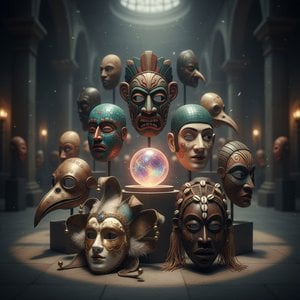
Mitsutaka is perhaps best known for his sculptures, particularly his interpretations of the *noh* mask, a traditional Japanese theatrical form dating back to the 14th century. The *noh* mask isn’t merely a facial representation; it embodies an entire character—age, gender, social status, and emotional state—conveyed through subtle shifts in expression and posture. Mitsutaka's most celebrated piece, the *Sanko-jo* (Old Man) mask, exemplifies this profound understanding of the form. Unlike traditional masks intended for performance, Mitsutaka’s sculptures often exist as standalone works, inviting viewers to contemplate the essence of the character without the context of a theatrical narrative. He doesn't simply replicate these masks; he imbues them with a new life, exploring their psychological depth and emotional resonance through innovative techniques and materials. The *Sanko-jo* mask, in particular, is lauded for its haunting beauty and ability to evoke a sense of timeless wisdom and quiet contemplation.

Blending Ancient Techniques with Contemporary Vision

Mitsutaka’s artistic process is characterized by a fascinating interplay between time-honored Japanese sculptural techniques and modern approaches. While he draws upon traditional wood carving methods—often employing native Japanese cypress and other locally sourced materials—he isn't bound by convention. He frequently incorporates unconventional elements, experimenting with textures, finishes, and even the scale of his works. This willingness to push boundaries while remaining deeply rooted in tradition is what sets Mitsutaka apart. His sculptures are not simply objects; they are embodiments of a cultural dialogue—a conversation between past and present, East and West. The attention to detail is paramount; each curve, each line, each subtle variation in texture is carefully considered, reflecting a dedication to the highest standards of craftsmanship.

Recognition and Legacy: A Global Presence

Despite maintaining a relatively humble profile, Deme Mitsutaka’s work has garnered significant recognition both within Japan and internationally. His sculptures have been exhibited in galleries and museums around the world, captivating audiences with their unique blend of beauty, subtlety, and emotional depth. He represents a growing trend in contemporary Japanese art—a movement that seeks to preserve and reinterpret traditional forms for a new generation. Mitsutaka’s legacy lies not only in his individual creations but also in his ability to bridge cultural divides and inspire a deeper appreciation for the artistry and philosophical underpinnings of Japanese sculpture. His work serves as a powerful reminder of the enduring power of tradition, even—and perhaps especially—in an increasingly globalized world.

The Enduring Appeal: A Quiet Revolution

Deme Mitsutaka’s art isn't about grand gestures or overt statements; it is about quiet contemplation, subtle beauty, and the profound connection between artist, material, and cultural heritage. He doesn’t seek to shock or challenge but rather to invite viewers into a space of reflection—a space where ancient traditions resonate with contemporary sensibilities. His sculptures are a testament to the enduring power of craftsmanship, the importance of preserving cultural identity, and the transformative potential of artistic expression. Mitsutaka’s work is a quiet revolution, a gentle yet powerful assertion of Japanese artistry on the global stage—a legacy that will undoubtedly continue to inspire for generations to come.