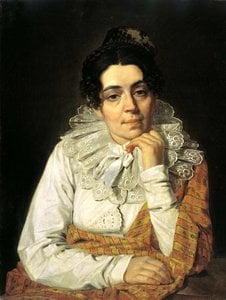
Aleksej Gavrilovič Venetsianov (1780–1847): Pionir prikaza ruskog seljačkog života u umetnosti
- Rođen: Moskva, Rusija, 1780.
- Preminuo: 1847.
Aleksej Gavrilovič Venetsianov predstavlja ključnu figuru u istoriji ruske umetnosti, slavljen zbog svojih revolucionarnih prikaza seljačkog života i svakodnevnih iskustava običnog naroda. Rođen u trgovačkoj porodici grčkog porekla u Moskvi, njegov umetnički put obeležen je kako ličnim borbicama, tako i značajnim doprinosima razvoju autentičnog ruskog nacionalnog stila.
Rani život i umetnički razvoj
- Početna karijera: Venetsianov je prvobitno težio karijeri u državnoj službi pre nego što se potpuno posvetio umetnosti. Preselio je u Sankt Trograd, gde je počeo da usavršava svoje znanje kopirajući dela iz kolekcije Ermitaža i vežbajući portretistiku.
- Uticaj Borovikovskog: Ključni period u njegovom razvoju obuhvata учениštvo kod Vladimira Borovikovskog, jednog od vodećih ruskih portretista tog vremena. Boravak u Borovikovskoj kući pružio je neprocenjivu obuku i izloženost utvrđenim umetničkim praksama.
- Rani problemi: Uprkos dokazanim talentima, Venetsianov se suočavao sa poteškoćama u dobijanju porudžbina kao samostalni portretista, što je osvrtilo na izazove sa kojima su umetnici nailazili van formalnih akademskih institucija.
- Akademsko priznanje: Godine 1811. dobio je priznanje od Akademije umetnosti, kada mu je dodeljena titula akademika za njegov autoportret i portret K. I. Golovačevskog i mlađih učenika. Ovo je označilo važan korak u njegovoj karijeri.
Prelazak na ruralne scene i osnivanje sopstvene škole
- Posvećenost umetnosti: Godine 1819, Venetsianov se odlučno posvetio isključivo umetnosti, napustivši državnu službu i kupivši selo Safonkovo u kojem se nastanio. Ovo je predstavljalo prekretnicu u njegovom umetničkom fokusu.
- Posmatranje prirode i ruralnog života: Život u Safonkovu omogućio mu je direktan pristup ruralnom pejzažu i seljačkim zajednicama koje su postale centralne teme njegovog rada. Pažljivo je posmatrao i prikazivanjem scene iz prirode i svakodnevnog života, hvatajući samu suštinu Rusije 19. veka.
- Pionirski prikaz seljačkog života: Venetsianov je široko priznat kao prvi ruski umetnik koji je sistematski prikazivao seljački život sa takvom autentičnošću i osetljivošću. Njegova dela su prevazišla romantičnim ili idealizovanim predstavama, nudeći realističan uvid u njihov svet.
- Osnivanje umetničke škole: Od 1820-ih nadalje, Venetsianov je počeo da privlači mlade ljude iz siromašnih slojeva društva, uključujući kmetove poput Grigorija Soroke, kako bi ih podučavao slikarstvu. To je dovelo do osnivanja njegove sopstvene neformalne škole slikarstva, što je svedočanstvo njegove posvećenosti negovanju umetničkog talenta i promovisanju pristupačnosti umetničkom obrazovanju.
- Kraljevsko pokroviteljstvo: Car Nikolaj I prepoznao je Venetsianov doprinos nacionalnim trendovima u umetnosti i imenovao ga dvorskim slikarom, pružajući ključnu finansijsku podršku njegovoj školi.
Glavna dela i umetnički stil
- Značajna dela: Venetsianov opus uključuje brojna značajna dela kao što su „Portret seljice“, „Žetelac na gomili“, „Seljica sa bokuricama“, „Proleće na oranoj zemlji“, „Leto, žetva“, „Zaharika“, „Devojčica u kariranom šalici“, „Devojčica sa teladićem“, „Predviđanje sudbine“, „Detetina seljaka sa mlekom“ i „Dojenka sa detetom“.
- Realistični stil: Njegov stil karakterišu realizam, pažnja posvećena detaljima i naturalistički prikaz svetlosti i senke. Koristio je pristup direktnog posmatranja, hvatajući teksture odeće, izraze lica i nijanse ruralnih pejzaža.
- Uticaj baroka: Iako je prvenstveno poznat po svojim realističnim prikazima, Venetsianov rad pokazuje i uticaje perioda baroka, posebno u upotrebi dramatičnog osvetljenost i teksturiranog impasta (kao što se vidi u delu „Glava starog seljaka“).
Nasleđe i istorijski značaj
- Temelj ruskog realizma: Venetsianov fokus na seljački život postavio je temelje za razvoj ruskog realizma u umetnosti. Njegov rad je otvorio put kasnijim generacijama umetnika koji su nastojali da prikažu društvene realnosti sa iskrenošću i empatijom.
- Nacionalni identitet: Prikazujući živote i borbe običnih Rusa, Venetsianov je značajno doprineo formiranju posebnog nacionalnog identiteta u ruskoj umetnosti.
- Tragičan kraj: Njegov život je tragično prekinut 1847. godine kada se njegova kočija prevrnula u nesreći. Uprkos relativno kratkoj karijeri, njegov uticaj na rusku umetnost ostaje dubok i trajan.