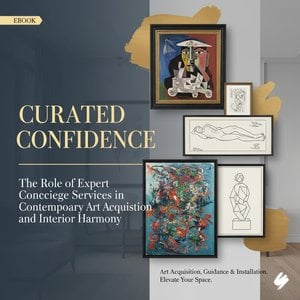
The Evolving Role of Art Concierges in High-End Interior Design
For centuries, the acquisition of art was a pursuit reserved for royalty, the Church, and a privileged few—a world shrouded in secrecy, reliant on personal connections and often opaque dealings. The role of the advisor, if one existed at all, was less a curator and more a facilitator, securing pieces through established networks. Today, however, the landscape has transformed. High-end interior design increasingly recognizes art not merely as decoration but as a fundamental component of spatial narrative, brand identity, and emotional resonance. This shift has given rise to a new figure: the art concierge—a professional dedicated to navigating the complexities of the art world on behalf of discerning clients.
The modern art concierge isn’t simply a buyer; they are storytellers, researchers, and logistical masters. They understand that each piece carries a history, a symbolism, and an inherent energy that must harmonize with its surroundings. Consider the Medici family's patronage of Renaissance artists—their choices weren’t solely aesthetic; they were strategic investments in cultural capital, reflections of power, and expressions of humanist ideals. The concierge embodies this holistic approach, meticulously considering not just the visual impact of a work but also its provenance, artistic merit, and long-term value. They act as a bridge between the artist's vision and the client’s aspirations, ensuring that every acquisition is a meaningful addition to the space.
The rise of this specialized role reflects a growing demand for authenticity and bespoke experiences. Clients are no longer satisfied with mass-produced prints or generic artwork; they seek pieces that tell a story, evoke emotion, and reflect their unique sensibilities. This necessitates a level of expertise that extends beyond simply identifying aesthetically pleasing works—it requires an understanding of art history, market trends, conservation techniques, and the intricacies of artist representation.
Sourcing Beyond the Gallery: Accessing Exclusive & Emerging Artists
The traditional gallery system, while valuable, represents only a fraction of the artistic talent available. A skilled concierge possesses access to a far wider network—private collections, artists’ studios, international art fairs, and emerging markets often overlooked by conventional channels. This ability to source beyond established boundaries is crucial for clients seeking truly unique pieces that differentiate their spaces.
Think of the Impressionists, initially rejected by the Salon system in Paris, finding patronage through independent collectors and smaller galleries. Their revolutionary style was only recognized after years of dedicated support from those willing to look beyond the confines of established norms. Similarly, today’s concierge actively seeks out emerging artists whose work pushes boundaries and challenges conventions. They attend studio visits, cultivate relationships with art schools, and monitor online platforms to identify promising talent before it gains widespread recognition.
This proactive approach not only benefits the client by providing access to exclusive artwork but also supports the artistic community, fostering creativity and innovation. The concierge understands that investing in emerging artists is not just a financial decision; it’s a commitment to the future of art itself. Furthermore, they can navigate the complexities of direct artist commissions, ensuring fair contracts and transparent communication.
Navigating Commissioned Artwork: From Concept to Installation
The prospect of commissioning a bespoke artwork can be both exhilarating and daunting. Translating a vague idea into a tangible reality requires careful planning, clear communication, and expert guidance. The art concierge excels in this arena, acting as a liaison between the client and the artist throughout the entire process.
The initial phase involves a detailed consultation to understand the client’s vision—their aesthetic preferences, spatial context, budget, and desired emotional impact. This is followed by the development of preliminary sketches or mockups for approval. The concierge ensures that these concepts align with the client’s expectations and address any potential challenges. Once approved, they manage all aspects of the commission, from contract negotiation to material selection and timeline management.
Crucially, the concierge also provides technical expertise, advising on appropriate canvas sizes, framing options, and installation techniques. They understand that a poorly executed installation can detract from even the most stunning artwork. They oversee the entire process, ensuring that the finished piece is delivered on time, within budget, and to the highest standards of craftsmanship. The result is a truly unique work of art tailored to the client’s specific needs and preferences.
Art Procurement as a Value-Add: Budget Management and ROI for Clients
Investing in art should be viewed not merely as an expense but as a strategic asset—a means of enhancing brand identity, creating memorable experiences, and potentially appreciating in value. A discerning concierge understands this principle and can help clients maximize their return on investment.
Historically, art has served as a tangible store of wealth, often surpassing traditional financial instruments in long-term performance. While not every artwork will appreciate exponentially, a well-curated collection can significantly enhance the value of a property or brand. The concierge provides expert guidance on market trends, artist reputation, and potential resale value.
Furthermore, they excel at budget management, negotiating favorable pricing with galleries and artists, securing discounts for bulk purchases, and identifying alternative funding sources. They can also advise on tax implications and insurance requirements, ensuring that the client’s investment is protected. By approaching art procurement as a strategic financial decision, the concierge transforms it from an expense into a valuable asset.
Spatial Harmony: Integrating Art with Architecture and User Experience
The true power of art lies in its ability to transform a space—to evoke emotion, stimulate conversation, and enhance the overall user experience. However, achieving this requires a deep understanding of spatial design principles and how artwork interacts with its surroundings.
Consider the Guggenheim Museum in New York City, designed by Frank Lloyd Wright. The building itself is a work of art, but it’s the interplay between the architecture and the collection that creates such a powerful impact. The spiraling ramp guides visitors through the exhibits, creating a unique flow and perspective. Similarly, a skilled concierge understands how to integrate artwork into the existing architectural context—considering factors such as wall dimensions, lighting conditions, color palettes, and intended purpose of the space.
- Scale: Ensuring artwork is appropriately sized for the room.
- Lighting: Optimizing illumination to showcase the piece’s colors and textures.
- Color Palette: Harmonizing artwork with existing décor.
- Subject Matter: Selecting pieces that align with the space’s intended mood and function.
Collection Care & Long-Term Investment: Preserving Artistic Assets
Acquiring art is only the beginning; preserving its value requires ongoing maintenance, conservation, and careful management. A dedicated concierge provides a range of collection care services, ensuring that artwork remains in pristine condition for generations to come.
This includes regular condition reports, identifying potential risks such as humidity fluctuations or light damage. They can also arrange for professional conservation treatments, restoring damaged pieces and protecting them from future deterioration. Furthermore, they advise on appropriate insurance coverage, storage solutions, and estate planning considerations. The concierge understands that a well-maintained collection is not only aesthetically pleasing but also represents a significant financial asset.
Ultimately, the role of the art concierge extends beyond simply sourcing and procuring artwork; it’s about building lasting relationships with artists, fostering creativity, and preserving cultural heritage. WahooArt.com provides access to a curated selection of museum-quality reproductions and custom creations, supported by expert consultation and seamless project management. Let us transform your spatial visions into reality.