
BESPLATNA KONSULTACIJA SA STRUČNJAKOM ZA UMETNOST


x

 Gerrit Dou
Explore the exquisite Dutch Golden Age paintings of Gerrit (Gérard) Dou (1613-1675). Known for his meticulous 'fijnschilder' style, genre scenes, and masterful use of light in candlelit interiors. Discover his legacy & works!
Gerrit Dou (1613-1675) occupies a unique position within the pantheon of Dutch Golden Age painters, not for grand historical narratives or sweeping landscapes, but for an intensely focused intimacy. He was a leading figure in the Leiden fijnschilders – literally “fine painters” – a group renowned for their meticulous realism and painstaking attention to detail. While Rembrandt van Rijn cast a long shadow over his contemporaries as Dou’s early teacher, Dou quickly forged his own distinct path, one characterized by small-scale genre scenes brimming with quiet observation and subtle psychological depth. Born in Leiden, a city steeped in artistic tradition, Dou inherited not only a painterly lineage but also a culture of precise craftsmanship; his father was a stained-glass maker, instilling an appreciation for the delicate interplay of light and color from a young age.
Dou’s early works clearly demonstrate Rembrandt's influence – the dramatic use of chiaroscuro, the rich, earthy palettes. However, he soon moved away from the expansive compositions favored by his master, opting instead for smaller canvases that allowed for an unparalleled level of detail. This wasn’t merely technical virtuosity; it was a deliberate artistic choice, enabling him to capture the textures of everyday life with astonishing accuracy – the sheen of pewter, the wrinkles in linen, the glint of candlelight on polished wood. He famously spent days perfecting even the smallest elements, reportedly using a combination of concave and convex lenses to achieve his remarkable precision.
Genre painting (or petit genre) is the painting of genre art, which depicts aspects of everyday life by portraying ordinary people engaged in common activities. One common definition of a genre scene is that it shows figures to whom no identity can b...
The rise of genre painting in the Dutch Golden Age was inextricably linked to the burgeoning prosperity and social shifts within the newly independent Republic. With religious art declining in prominence, a new market emerged for depictions of everyday life – scenes that reflected the values and aspirations of a growing middle class. Dou excelled in this arena, portraying interiors populated by merchants, housewives, and children engaged in ordinary activities: reading, writing, playing music, or simply tending to household chores. These weren’t idealized representations; they were glimpses into the lived realities of his contemporaries.
His subjects often centered on moments of quiet contemplation or subtle interaction. The Prayer of the Spinner, for example, isn't a grand religious statement but a tender portrayal of a woman pausing in her work to offer a silent devotion. Similarly, Cardplayers at Candlelight captures not just a game in progress, but the shared camaraderie and focused concentration of its participants. Dou’s genius lay in elevating these seemingly mundane scenes through his masterful technique and keen understanding of human psychology.
 Cardplayers at Candlelight
Discover 'Cardplayers at Candlelight,' a captivating 17th-century Dutch masterpiece by Gerrit Dou. Explore candlelight scenes & genre art – a timeless investment.
Perhaps the most defining characteristic of Gerrit Dou's work is his extraordinary use of candlelight. He wasn’t simply depicting light; he was exploring its transformative power – how it shapes perception, creates atmosphere, and reveals hidden details. His interiors are often bathed in a warm, golden glow, casting long shadows and highlighting textures with breathtaking realism. This mastery of chiaroscuro—the dramatic contrast between light and dark—was not merely a technical feat but a means of imbuing his scenes with a sense of intimacy and emotional resonance.
Dou’s candlelight isn't harsh or glaring; it’s soft, diffused, and almost palpable. It creates a sense of enclosure, drawing the viewer into the scene and fostering a feeling of quiet contemplation. He meticulously rendered the flickering flames, the subtle gradations of light on surfaces, and the way shadows dance across walls and objects. This technique wasn't simply about realism; it was about creating an atmosphere that evoked a specific mood – one of warmth, tranquility, and domesticity.
 The Dropsical Woman
Gerrit Dou’s "The Dropsical Woman" (1663) – a haunting Baroque masterpiece. Explore this Dutch Golden Age oil painting's rich detail, dramatic lighting & poignant symbolism.
While Dou is celebrated for his meticulous realism, his paintings are rarely devoid of deeper meaning. Beneath the surface of everyday scenes often lie layers of symbolism and subtle narrative. The Dropsical Woman, a haunting depiction of a physician examining a patient suffering from dropsy, is not simply a medical observation but a moralizing tale about greed and vanity. The painting is filled with symbolic objects – expensive fabrics, luxurious furnishings – that underscore the woman’s materialistic pursuits.
Even seemingly simple scenes are imbued with hidden meanings. A half-peeled lemon might represent bitterness, a broken glass symbolize fragility, or a specific flower convey a particular virtue. Dou wasn't overtly didactic; his symbolism is often subtle and open to interpretation, inviting the viewer to engage with the painting on multiple levels. This ability to imbue everyday scenes with deeper meaning elevated his work beyond mere genre painting, transforming it into something more profound.
Gerrit Dou’s influence extended far beyond his own lifetime. He trained a generation of talented painters – including Frans van Mieris the Elder and Gabriël Metsu – who carried on his tradition of meticulous realism and intimate genre scenes. His emphasis on detail, his mastery of light, and his subtle psychological insights had a lasting impact on Dutch art.
While later artists moved away from the extreme precision of the fijnschilders, Dou’s influence can still be seen in their attention to texture, their use of color, and their focus on everyday life. He remains a pivotal figure in the history of Dutch Golden Age painting – a master of detail whose works continue to captivate and inspire.
Today, paintings by Gerrit Dou are highly sought after by collectors worldwide. His small-scale canvases, with their exquisite detail and intimate atmosphere, represent a unique and valuable piece of Dutch Golden Age history. While prices vary depending on size, subject matter, and condition, works by Dou consistently command high values at auction.
Beyond their monetary worth, however, paintings by Gerrit Dou offer a glimpse into the lives and values of 17th-century Holland. They are not simply beautiful objects; they are windows into another world – a world of quiet contemplation, subtle interaction, and meticulous craftsmanship. WahooArt.com offers high-quality reproductions of Dou’s masterpieces, allowing art enthusiasts to experience the beauty and intimacy of his work firsthand. Explore our collection today and discover the enduring legacy of this remarkable Dutch master.

Explore the Dutch Golden Age of painting! Discover key artists like Vermeer & ter Borch, their innovative techniques, and the rich cultural context behind these Baroque masterpieces. Learn about collecting & appreciating this iconic art period.
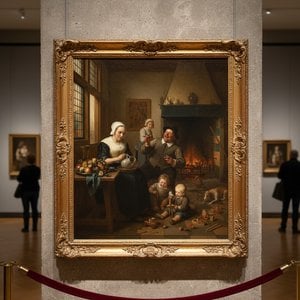
Explore the captivating world of Dutch Golden Age genre painting! Discover realistic depictions of daily life, masterful artists like Ostade & Metsu, and hidden symbolism. Learn about this influential art movement with WahooArt.

Explore the Dutch Golden Age of painting with WahooArt. Discover Rembrandt, Vermeer & other Masters. Learn about key characteristics, iconic artworks, and lasting influence. Expert insights for collectors & enthusiasts.

Otkrijte remek dela Holandskog zlatnog doba! Uronite u svet Rembrandta, Vermeera i drugih majstora. 10 ikoničnih slika koje su definisale umetnost. Inspiracija za vaš dom i kolekciju - ekskluzivne reprodukcije na WahooArt.com!
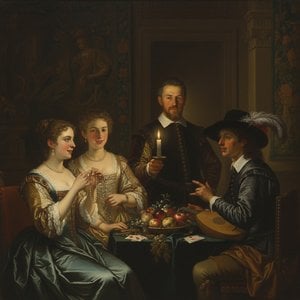
Explore the captivating world of Gerard van Honthorst, a Dutch Golden Age master renowned for his dramatic chiaroscuro & courtly portraits. Discover his life, art, and lasting influence on Baroque painting.


Budite u toku sa najnovijim vestima o umetnosti, ekskluzivnim ponudama i idejama za dekoraciju.
Recite nam o vašem projektu i naši stručnjaci za umetnost će vam pružiti 3 personalizovana predloga umetničkih dela.
Dozvolite nam da odaberemo 3 opcije specijalno za Vas - Besplatno!


