A Jewel on the Yangtze: Exploring the Yangzhou Museum
Nestled along the serene banks of Bright Moon Lake in Yangzhou, a city steeped in centuries of history and artistic legacy, lies the Yangzhou Museum – a captivating testament to China’s rich cultural tapestry. More than just a repository of artifacts, it's an immersive journey through time, seamlessly blending contemporary design with traditional aesthetics. Established in 2005, yet rooted in the foundations of the ancient Tianning Temple, this modern marvel offers visitors a profound connection to Yangzhou’s pivotal role as a center for commerce, scholarship, and artistic innovation. The museum’s very location, adjacent to the China Block Printing Museum within the impressive Yangzhou Double Museum complex, immediately speaks to its dedication to preserving and celebrating vital aspects of Chinese heritage.
The heart of the museum's collection beats with an astonishing breadth, spanning from the Neolithic period through the Qing Dynasty. Walking through its seven meticulously curated exhibition halls is akin to traversing millennia – one encounters relics that whisper tales of emperors and artisans, scholars and soldiers alike. The sheer volume of treasures is remarkable: exquisite jade carvings, each a miniature masterpiece reflecting ancient beliefs and social hierarchies; delicate earthenware vessels, offering glimpses into daily life and culinary practices; and imposing bronze wares, bearing the marks of skilled craftsmanship and imperial patronage. However, it’s the museum's dedication to porcelain that truly shines, a direct reflection of Yangzhou’s historical significance as a key trading hub along the Grand Canal – a conduit for artistic exchange and economic prosperity. Beyond these tangible treasures, visitors are invited to contemplate the profound artistry of calligraphy and traditional paintings, deciphering not only their technical skill but also the philosophical underpinnings that informed their creation.
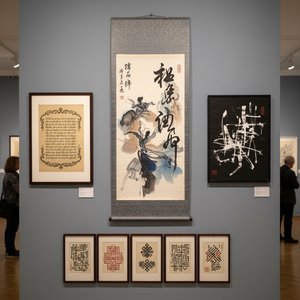
A particularly fascinating aspect of the museum is its unique partnership with the China Block Printing Museum. This collaboration underscores the enduring importance of this ancient printing technique in shaping Chinese culture and disseminating knowledge. Block printing, a precursor to modern typography, allowed for the mass production of texts and images, democratizing access to information and fostering artistic expression. The museum’s exhibits on block printing aren't merely displays; they are interactive explorations of the intricate process – from carving the blocks to applying ink and pressing the image onto paper. This dedication extends beyond block printing to encompass traditional paper-cut art and other folk traditions, ensuring that these vital elements of Chinese identity are passed down through generations. Furthermore, the museum’s representation of the “Eight Eccentrics of Yangzhou,” a group of iconoclastic painters from the Qing Dynasty who challenged conventional artistic norms, offers a rare insight into a period of creative ferment and artistic rebellion.
A Modern Sanctuary: Architecture and Visitor Experience
The Yangzhou Museum is not simply a building housing artifacts; it’s an architectural statement in itself. Its modern design – characterized by expansive windows and a fluid layout – seamlessly integrates with the surrounding landscape, creating a serene and inviting atmosphere that belies its substantial size (covering 50,000 square meters). The strategic placement overlooking Bright Moon Lake dramatically enhances the visitor experience, blurring the boundaries between indoors and outdoors and fostering a sense of tranquility. The spacious galleries are thoughtfully curated, allowing ample room to contemplate each artifact and appreciate its historical context. Interactive displays – incorporating digital projections and multimedia presentations – cater to visitors of all ages and backgrounds, making the museum accessible and engaging for both seasoned art enthusiasts and curious newcomers. The use of natural light and carefully considered spatial arrangements contributes significantly to a truly immersive experience.
Yangzhou: A City Steeped in History
To fully appreciate the significance of the Yangzhou Museum, one must understand the historical context of the city itself. For centuries, Yangzhou has been a vital crossroads of culture and commerce, attracting merchants, scholars, and artists from across China and beyond. Its strategic location on the Yangtze River and along the Grand Canal facilitated trade and exchange, fostering a cosmopolitan atmosphere that nurtured artistic innovation. From its origins as a fortress during the Spring and Autumn period to its role as a temporary capital during times of dynastic upheaval, Yangzhou has witnessed – and shaped – pivotal moments in Chinese history. The museum serves not only as a guardian of the city’s cultural heritage but also as a gateway to understanding the broader narrative of China's past. The legacy of this vibrant city is palpable within the museum’s walls, connecting visitors directly to its storied evolution.
Notable Exhibitions and Ongoing Initiatives
While the entire collection merits exploration, certain exhibitions consistently draw significant attention. The “Yangzhou History Exhibition Hall” provides a comprehensive overview of the city's development across various dynasties, while the “Hall of Painting & Calligraphy by Eight Eccentric Artists” showcases the daring innovations of this influential group. The “National Treasure Hall” houses a selection of particularly prized artifacts, offering a glimpse into the museum’s most significant holdings. Furthermore, the museum actively engages in ongoing initiatives to preserve and promote intangible cultural heritage, including workshops on traditional paper-cutting and block printing techniques. The museum also hosts temporary exhibitions that explore specific themes or artists, ensuring a dynamic and evolving experience for visitors.