Melchior Brassauw: A Master of Light and Detail in Dutch Genre Painting
Melchior Brassauw (1615 – 1672) stands as a significant figure within the illustrious Dutch Golden Age, renowned primarily for his meticulously crafted portraits and captivating genre scenes that offer glimpses into everyday life during a period of unparalleled artistic flourishing. Born in Leiden, Netherlands—a city steeped in intellectual curiosity and artistic tradition—Brassauw’s formative years were marked by an immersion in the vibrant creative atmosphere fostered by Gerard Pietersz. van Zijl, his influential teacher who profoundly shaped his artistic vision. This connection to van Zijl's oeuvre would become a cornerstone of Brassauw’s distinctive style, characterized by a masterful manipulation of light and shadow—a technique known as chiaroscuro—that elevates his compositions beyond mere representation into evocative explorations of mood and atmosphere.
- Early Training & Influences: Brassauw's artistic journey commenced under the tutelage of Gerard van Zijl, whose meticulous observation of nature and dramatic use of light profoundly impacted Brassauw’s approach to painting. Van Zijl championed a style that prioritized realism combined with expressive artistry, principles which Brassauw wholeheartedly embraced.
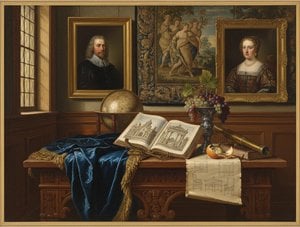
- A Distinctive Style: Brassauw's paintings are instantly recognizable for their remarkable attention to detail—from the textures of fabrics to the subtle expressions on faces—reflecting the prevailing artistic sensibilities of his time. However, it is his masterful deployment of chiaroscuro that truly distinguishes him; he skillfully employed contrasting light and dark areas to create depth, volume, and a palpable sense of drama within his canvases.
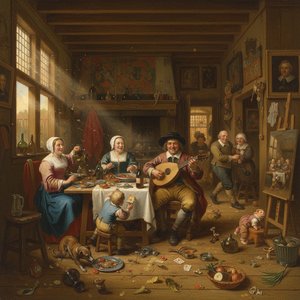
Brassauw’s artistic output predominantly focused on genre scenes depicting ordinary individuals engaged in commonplace activities—a deliberate departure from the grand mythological narratives favored by earlier artists. These scenes weren't merely decorative; they served as windows into the social fabric of Leiden and Amsterdam, capturing moments of human interaction with remarkable sensitivity and nuance. Furthermore, he produced numerous portraits commissioned by wealthy patrons, demonstrating his ability to convey character and emotion through precise likenesses.
Notable works include “A Musical Company,” a scene brimming with life and musical fervor—a testament to Brassauw’s keen eye for capturing the dynamism of human experience—and "Glass Merchant," which exemplifies his meticulous rendering of material textures and spatial perspective. His paintings reside in prestigious collections like the Kremer Collection, offering visitors an opportunity to appreciate firsthand the beauty and artistry of this Dutch master. The Kremer Collection's website (
) allows for online exploration of Brassauw’s masterpieces and provides valuable insights into his artistic legacy.
Brassauw’s contribution to Dutch painting extends beyond individual artworks; he helped solidify the genre of genre painting as a respected artistic form, establishing himself as one of the foremost practitioners of chiaroscuro during the Golden Age. His influence can be seen in subsequent generations of painters who sought to emulate his stylistic innovations—a lasting testament to his enduring artistic significance. He remains an artist whose work continues to inspire admiration for its technical brilliance and emotional resonance.