Življenje, oblikovano v družbi
Joseph Beuys, ime, ki je postalo sinonim za širjenje umetnostnih meja, ni bil le umetnik; bil je vizionar, ki je verjel, da kreativnost drži ključ do družbene transformacije. Rodil se je leta 1921 v Krefeldu v Nemčiji, njegovo življenje pa se je odvijalo v ozadju ogromnih političnih in družbenih prevratov, kar je globoko oblikovalo njegovo umetniško filozofijo. Od otroštva, ki ga je zaznačalo seljenje in zgodnje izpostavljanje tako naravnim vednostem kot vzrastajoči temi nazizma – dogodka, ki se je kristaliziral z reševanjem *Systema Naturae* Carla Linneja iz plamenov med kurjenjem knjig – je Beuys razvil občutljivost za krhkost obstoja in moč simboličnega dejanja. Njegove formative leta so bili prepojeni z intelektualno radovednostjo, ki je obsegala glasbo, mitologijo in zgodovino, s čimer je postavil temelje za njegov kasnejši multidisciplinarni pristop. Čeprav je bil kot mladostnik na kratko vključen v Hitlerjevo mladino – kar je bila takrat običajna izkušnja nemške mladine – bi ga njegova pot v končni fazi vodila k izzivanju uveljavljenih norm in zagovarjanju radikalnih družbenih sprememb skozi umetnost.Kovilo vojne in roj ikonografije
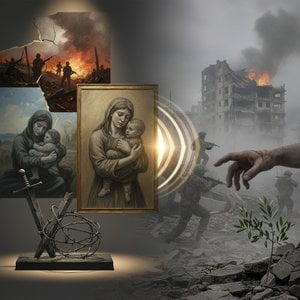
Druga svetovna vojna se je izkazala za ključno, skoraj mitološko, obrnjanje v Beuysovem življenju. Ko je leta 1941 prostovoljno pridobil v Luftwaffe, je leta 1944 v Krimu doživel skoraj smrtno letalno nesrečo. Zgodba, ki se je izrodila iz tega dogodka – njegovo reševanje s strani tatarskih plemenščin, ki so njegovo poškodovano telo zavili v filc in maščilo, da bi ohranili toplino in pomagali pri okrevanju – je postala osrednja del njegove umetnične identitete. Čeprav zgodovinski zapisi sporaime podrobnosti te zgodbe, jo je Beuys sprejel kot temeljni mit, s čimer je tem materialom podelil globoko simbolno težo. Filc, ki predstavlja zaščito, izolacijo in povezavo z naravo; inSocialna plastika: Umetnost kot revolucionarna sila
Beuysov najpomembnejši prispevek k umetnosti je morda njegov koncept »socialne plastike« (*Soziale Plastik*). To ni bilo le ustvarjanje fizičnih predmetov; bila je holistična vizija, kjer je kreativnost igrala vitalno vlogo pri oblikovanju družbe in politike. Verjel je, da vsak posameznik poseduje ustvarjalni potencial in da se ta potencial lahko sprosti skozi udeleževanje – s čimer so se zameglile meje med umetnikom, umetninjo in občinstvom. Socialna plastila ni bila omejena na galerije ali muzeje; raztegnila se je v vsakdanje življenje, vključujoč politični aktivizem, izobraževalne pobude in javne predstave. Zamislil si »Gesamtkunstwerk« – celostno umetniško delo –, kjer bi se lahko vsi vidiki človekovega obstoja kreativno vključili v spodbudljanje pozitivnih družbenih sprememb. Ta filozofija je podpirala njegove številne akcije, instalacije in pedagoška prizadevanja, s čimer je izzival tradicionalno vlogo umetnika kot samotnega ustvarjalca in ga namesto tega postavil v vlogo katalizatorja kolektivne transformacije.Performativnost, materiali in politična vpletenost
Beuysova umetniška praksa je bila izjemno raznolika, saj je obsegala performans, instalacije, risbe, videnje in politični aktivizem. Njegovi performansi so bili pogosto ritualni, vključevali so neposredno interakcijo z javnostjo in nekonvencionalne materiale. Ikonična dela, kot so njegove filcane obleke, ki jih je nosil med številnimi akcijami, so simbolizirala toplino, zaščito in prvinski stik z naravo. Instalacije z maščilo so raziskovale teme energije, zdravljenja in transformacije, medtem ko so performansi, kot je »Rad se učim« (1965), kjer je s kamni in medom v galerijskem oknu vabil k dialogu, poudarjali pomen izmenjave znanja in odprte komunikacije. Videnja, kot je »Polnega s streljami in jelena v njegovi blesti«, so predstavljala prvinske sile in človeško zavest. Poleg svojih umetniških stvarov je Beuys aktivno sodeloval v političnih debatach, ustanovil Free International Zone (FIZ) na razstavi documenta 7 – prostor za umetniško eksperimentacijo in družbeni dialog – ter postal glasni zagovornik nemške Zelene stranke.Trajna dediščina
Joseph Beuys je umrl leta 1986 in za seboj pustil dediščino, ki še danes navdihuje umetnike, aktiviste in mislece. Radikalno je izzival konvencionalne predstavitve ustvarjalnosti in avtorstva, s poudarkom na udeleževanju in družbeni vpletenosti. Njegovo del je razširilo definicijo umetnosti iz estetičnih vprašanj v politične, okoljske in duhovne dimenzije. Njegov koncept socialne plastike ostaja globoko relevanten in nas spodbuja, da prepoznamo ustvarjalni potencial v nas samih ter aktivno sodelujemo pri oblikovanju bolj pravične in trajnostne prihodnosti. Beuys ni bil le umetnik; bil je prerok možnosti, ki nas opominja, da ima umetnost moč ne le odražati družbo, temveč jo tudi transformirati.Vprašanja in odgovori
Ali obstaja časovni prikaz del umetnika Joseph Beuys?
Stran Kronologija del umetnika prikazuje dela umetnika Joseph Beuys razvrščena po datumu, leto za leto.
Kje lahko vidim barvni profil del Joseph Beuys?
Genom palete umetnika Joseph Beuys je stran, ki predstavlja barvni profil celotnega umetniškega dela tega avtorja.
Ali lahko obiščem virtualni muzej del Joseph Beuys?
Dela umetnika Joseph Beuys si lahko ogledate v 3D galeriji na njegovi strani 3D galerija umetnosti.