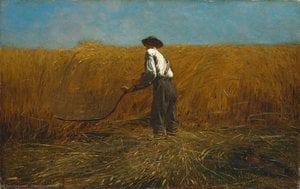
Ročno slikano olje na platnu v vaši izbiri velikosti in okvirja, izdelano po naročilu naših umetnikov. ( Kupi tisk Kupi digitalno sliko)





























Izberite eno od naših vnaprej določenih velikosti, ki ustrezajo prvotnim proporcijam umetničkega dela.

Svoje dimenzije lahko vnesete tako, da se prilagodite določenemu okvirju ali prostoru. Če izbrana velikost ne ustreza razmerjem originalne slike, bomo umetniško delo obrezali ali sliko dopolnili z dodatnimi ročno naslikanimi elementi. Pred začetkom proizvodnje vam bo poslan digitalni osnutek v odobritev.
Upoštevajte, da predogled na zaslonu ne odraža dejanskega obrezovanja ali podaljšanja. Le osnutek bo natančno prikazal končno kompozicijo.
Čeprav so na voljo velikosti po meri, priporočamo izbiro dimenzije s preddefiniranega seznama, da ohranimo originalne razmere.
Svetska dostava () za 3/4 nedelje umesto uobičajenih 5 nedelja. (6 september). Bez kompromisa po pitanju kvaliteta.


Ulice na kotišču, Santiago de Cuba
Velikost reprodukcije
Winslow Homer's “Street Corner, Santiago de Cuba,” painted in 1885 and currently residing within the Museum of Fine Arts (Boston), is more than just a depiction of a street scene; it’s a captivating portal into a specific moment in time – a vibrant slice of Cuban life as observed by an American artist immersed in its rhythms. Homer, renowned for his ability to capture both the grandeur of nature and the intimacy of human experience, masterfully employs watercolor to create a dynamic tableau brimming with activity and character. The painting immediately draws the eye with its bold palette: the dominant yellow of the building provides a warm backdrop against which the diverse figures and details unfold. It’s not merely a record of a street; it's an invitation into a bustling, living space.
(Image of the artwork)
The composition itself is a testament to Homer’s skill. The arrangement isn't rigidly formal; instead, it feels spontaneous, mirroring the energy of the street corner. A striking yellow building with a balcony anchors the scene on one side, while a collection of individuals occupies the foreground and midground – a young man standing near the left edge, two others engaged in conversation closer to the center. The inclusion of a bicycle parked on the right and a motorcycle glimpsed in the lower-left corner adds further layers of detail and realism, grounding the scene in the everyday practicality of the time. Homer’s masterful use of watercolor is particularly noteworthy. He achieves remarkable luminosity and fluidity, capturing the fleeting effects of light and shadow with an almost impressionistic touch. The loose brushstrokes contribute to a sense of immediacy, as if we are witnessing this moment unfold before our eyes.
“Street Corner, Santiago de Cuba” is part of a series of watercolors that Homer created during his 1885 trip to Cuba. This journey proved profoundly influential on his artistic development. Prior to this expedition, Homer primarily focused on landscapes and marine subjects. However, the vibrant colors, diverse cultures, and bustling urban environments of Cuba ignited a new passion within him. The painting reflects not just a visual record but also an emotional response – a fascination with the tropical landscape and the rich cultural tapestry of the region. The architecture, particularly the yellow building, is distinctly Cuban, hinting at Homer’s deliberate attempt to integrate elements of this newfound environment into his work.
Homer's style in “Street Corner” exemplifies his signature blend of realism and fluidity. He meticulously observes the details – the clothing, the postures, the expressions on the faces of the passersby – yet he renders them with a remarkable sense of spontaneity and movement. The watercolor medium allows for this effect beautifully; the colors bleed into one another, creating soft transitions and suggesting the constant flow of activity within the scene. This combination of precise observation and expressive brushwork is what defines Homer’s distinctive style and makes his work so enduringly captivating. It's a testament to his ability to capture not just *what* he saw but also *how* it felt.
“Street Corner, Santiago de Cuba” stands as a significant contribution to American art history, showcasing Homer’s innovative approach to watercolor painting and his ability to capture the essence of diverse environments. It continues to inspire artists and art enthusiasts alike, offering insights into the evolution of American art during the late 19th century. For those interested in exploring more of Winslow Homer's works, reproductions like those offered on WahooArt.com – including “Customs House, Santiago de Cuba” and “The Red Canoe” – provide a valuable opportunity to delve deeper into his artistic vision. Furthermore, a visit to the Museo Nacional de Bellas Artes de La Habana (Cuba) offers a comprehensive understanding of Cuban art from colonial times to contemporary generations.


1836 - 1910 , Združene države Amerike

Explore the captivating journey of street art from urban walls to prestigious galleries. Discover how contemporary graffiti has evolved into a high-end collectible movement, redefining modern interior design and global art culture.

 Predogled
 Pošlji
 Deli
Deli
 Podrobnosti o delu

 Prenesi
 Podobni izdelki
 Rentgenski posnetek
 Predvajaj diaporama


 Razviljaj več







 Možnost stekla je na voljo le za velikosti pod 110 cm