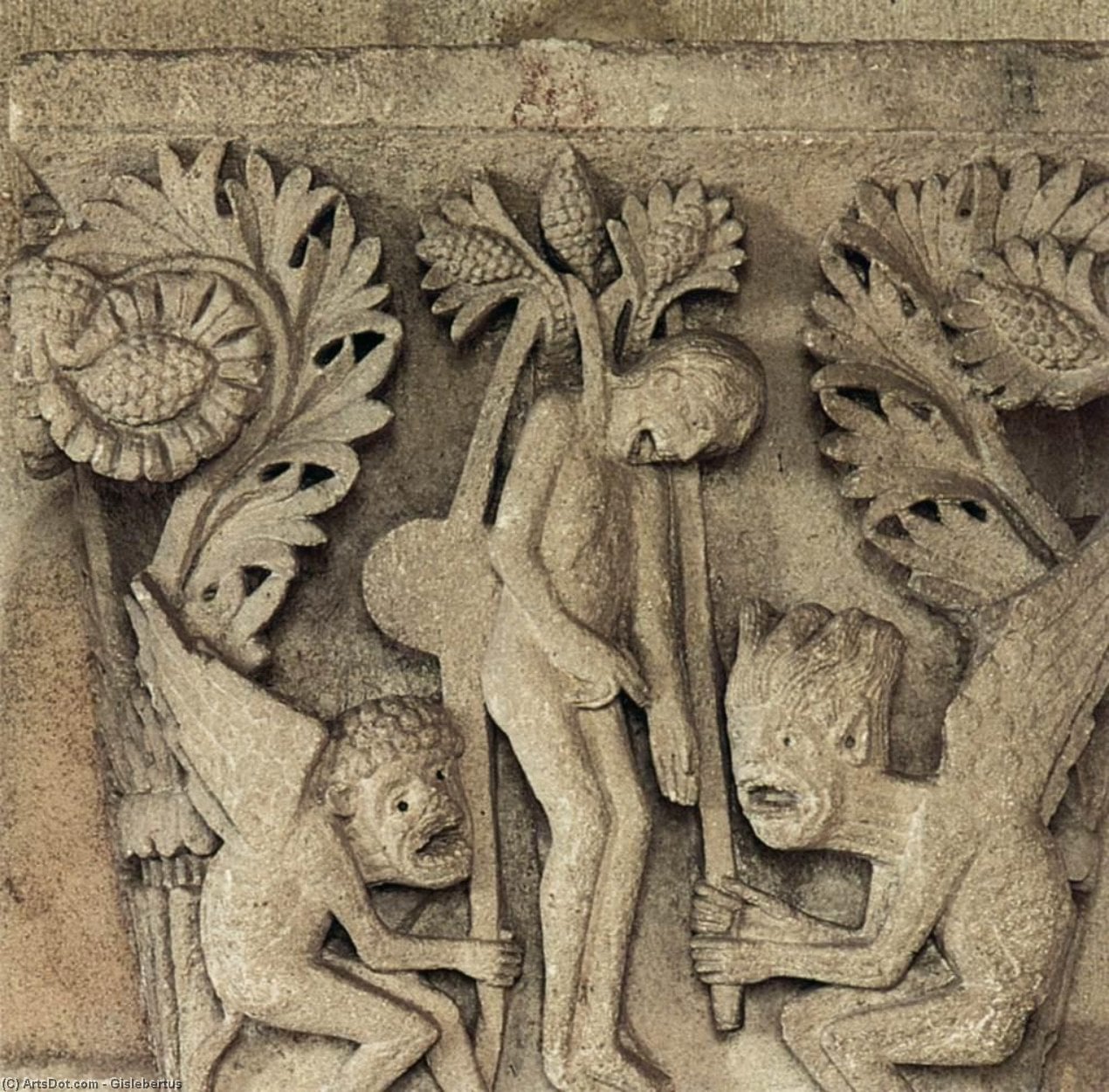
Gislebertus, 1120 – 1135

11 najznámejších obrazov umelca Gislebertus

Obraz, ktorý priniesol slávu Gislebertus, je Tympanum of the main portal (detail) (1130); visí v galérii Katedrála svätého Lazára v Autune, Autun. Pilgrims (1120) a Last Judgment (detail) (1130) ich nasledujú v srdciach zberateľov a návštevníkov múzeí. Z 11 diel umelca Gislebertus v našom katalógu je týchto 11 najobdivovanejších, pričom každá je prezentovaná s dátumom jej vytvorenia, názvom múzeja a unikátnými vlastnostvami.

Poriadkované podľa nášho skóre popularity, ktoré kombinuje počet vyhľadávaní, návštev a objednávok pre každé dielo. Aktualizované október 2026. Každé majstrovské dielo na tejto stránke si môžete objednať ako ručne maľovanú olejobraskovú reprodukciu múzeálnej kvality alebo ako umeleckú tlač, v rozmeroch podľa vašej voľby.

Portrét Gislebertus
Gislebertus · 1120 – 1135
Narodený · zomrel
1120 – 1135
Pohyb
Romanesque
Diela v našom katalógu
11
Najznámejšie
Tympanum of the main portal (detail) (1130)
Najviac diel v
Katedrála svätého Lazára v Autune

Gislebertus: desať majstrovských diel

Tympanum of the main portal (detail) (1130) od Gislebertus
1

Tympanum of the main portal (detail)

The Tympanum of the main portal (detail) by Gislebertus emerges from the stone of the Saint-Lazare Cathedral in Autun, France. Created about 1130, this relief captures a profound moment of divine reckoning. It presents a scene from the Last Judgment, where the boundaries between the earthly and the eternal seem to dissolve. The figures move with a frantic, stylized energy that defines the Romanesque style. Every carved line speaks to…

Pilgrims (1120) od Gislebertus
2

Pilgrims

In the stone of Saint Lazare Cathedral in Autun, France, the relief titled Pilgrims captures a moment of quiet devotion. Created by the French Romanesque sculptor Gislebertus about 1120, the work depicts figures caught in a singular act of prayer. These travelers move through the heavy, carved medium to find a stillness in the midst of their movement. The stone holds the weight of their supplication.

Last Judgment (detail) (1130) od Gislebertus
3

Last Judgment (detail)

The work before us is the Last Judgment (detail) by Gislebertus. This relief carving, created about 1130, offers a focused view of the profound theological drama unfolding within the Saint-Lazare Cathedral in Autun, France. It is situated within the Кафедральний собор Святого Лазаря в Отюні, Autun, where it remains a central element of the cathedral's architectural and spiritual program.

Smutná smrt Jáda (1120) od Gislebertus
10

Smutná smrt Jáda

1120 · Akryl na plátne · Katedrála svätého Lazára v Autune, Autun

Gislebertus: Výrazný umelecký výraz Románskej architektúry – Samoubíjanie Judášovi Gislebertus je meno vyrytá do kameňa a šepkaním cez storočia, predstavuje jednu z najvýznamnejších postav románskej školy sochárskeho umenia – konkrétne oslavovaný svojím prínosom katedrále svätej Lazára v Autúne, Francúzsko. Narodený okolo roku 1120, Gislebertus vyrazil zo šľachtejného umeleckého prostredia Burgundska počas obdobia hlboko ovplyvneného náboženským zápalom a rozvíjačím stavebných ambícií. Jeho biografické údaje zostávajú nedostatočné, odborníci však veria, že bol…

Viac majstrovských diel od Gislebertus, od 11 do 11

Témy, ktoré Gislebertus mal najčastejšie na obrazoch

Štyri témy, ktoré sa v týchto majstrovskách najčastejšie vyskytujú, spolu s ich najkrajšími príkladmi.

Kde uvidieť obrazy umelca Gislebertus

2 múzeá, v ktorých sa nachádza najviac obrazov z tejto stránky.

Múzeá Mesto Diela umelca Gislebertus Obrazy z tohto zoznamu
Katedrála svätého Lazára v Autune, AutunKatedrála svätého Lazára v Autune Autun 9 Tympanum of the main portal (detail), Pilgrims, Last Judgment (detail)
Musée Rolin, AutunMusée Rolin Autun 1 Eve

Gislebertus, rok po roku: ikonické obrazy

Každé datované majstrovské dielo umelca Gislebertus na tejto stránke pochádza z roku 1130: tu sú.

  1. 1130
    Tympanum of the main portal (detail) (1130) od Gislebertus
    #1 z 11

    Tympanum of the main portal (detail)

    Vek 10 rokov · Katedrála svätého Lazára v Autune

    The Tympanum of the main portal (detail) by Gislebertus emerges from the stone of the Saint-Lazare Cathedral in Autun, France. Created about 1130, this relief captures a profound…

  2. 1130
    Last Judgment (detail) (1130) od Gislebertus
    #3 z 11

    Last Judgment (detail)

    Vek 10 rokov · Katedrála svätého Lazára v Autune

    The work before us is the Last Judgment (detail) by Gislebertus. This relief carving, created about 1130, offers a focused view of the profound theological drama unfolding within…

  3. 1130
  4. 1130
    Eve (1130) od Gislebertus
    #6 z 11

    Eve

    Vek 10 rokov · Musée Rolin
  5. 1130
    Last Judgment (1130) od Gislebertus
    #7 z 11

    Last Judgment

    Vek 10 rokov · Katedrála svätého Lazára v Autune
  6. 1130
    Main portal (1130) od Gislebertus
    8. z 11

    Main portal

    Vek 10 rokov · Katedrála svätého Lazára v Autune
  7. 1130

Majstrovské diela umelca Gislebertus: otázky a odpovede

Ktorým obrazom je Gislebertus najznámejší/najznámejšia?Zobraziť odpoveď

Tympanum of the main portal (detail) (1130), Katedrála svätého Lazára v Autune, Autun. Nasledujú Pilgrims (1120) a Last Judgment (detail) (1130).

Koľko rokov mal(a) Gislebertus, keď maľoval(a) Tympanum of the main portal (detail)?Zobraziť odpoveď

10 rokov: Tympanum of the main portal (detail) vzniklo v roku 1130 a Gislebertus sa narodil/a v roku 1120.

Akých desať najväčších diel má Gislebertus?Zobraziť odpoveď

Tympanum of the main portal (detail), Pilgrims, Last Judgment (detail), Dream of the Magi, Tympanum of the main portal, Eve, Last Judgment, Main portal, Last Judgment (detail) a Smutná smrt Jáda. Vyššie uvedené hodnotenie uvádza rok a múzeu každého z nich.

Koľko diel nakreslil/a Gislebertus?Zobraziť odpoveď

Náš katalóg obsahuje 11 diel od Gislebertus.

V ktorých múzeách môžem vidieť majstrovské diela umelca Gislebertus?Zobraziť odpoveď

Väčšina z nich sa nachádza v Katedrála svätého Lazára v Autune (Autun) a Musée Rolin (Autun). Tabuľka vyššie uvádza jednotlivé múzeá.

Kedy vytvoril/a Gislebertus svoje majstrovské diela?Zobraziť odpoveď

V období 1130: 7 z 11 diel na tejto stránke pochádza z tohto obdobia, pričom medzi nimi je Tympanum of the main portal (detail).

Aké boli obľúbené témy Gislebertus?Zobraziť odpoveď

Medieval art (3), Autun cathedral (3) a People (2), z celkového počtu 11 diel na tejto stránke.

Ktorú techniku obľúbenou Gislebertus?Zobraziť odpoveď

Stone: 3 z 11 diel na tejto stránke.

Do ktorého umedleckého smeru patrí Gislebertus?Zobraziť odpoveď

Romanesque, ako to dokazujú obrazy na tejto stránke.

Aké majstrovské diela Gislebertus visia v Katedrála svätého Lazára v Autune?Zobraziť odpoveď

Tympanum of the main portal (detail), Pilgrims a Last Judgment (detail) sa nachádzajú medzi 9 dielami na tejto stránke, ktoré vlastní Katedrála svätého Lazára v Autune, Autun.

Môžem vlastniť reprodukciu majstrovského diela od Gislebertus?Zobraziť odpoveď

Áno. Každý obraz na tejto stránke si môžete objednať ako ručne maľovanú olejobraskovú reprodukciu múzeálnej kvality alebo ako umeleckú tlač, v požadovanom rozмере, priamo na stránke daného obrazu.

Život umelca Gislebertus

Gislebertus: The Sculptor of Autun Cathedral’s Divine Vision

Gislebertus, a name etched in stone and whispered through the centuries, stands as one of the most remarkable figures of Romanesque sculpture. Specifically celebrated for his profound contribution to Saint Lazare Cathedral in Autym, France, he emerged from the fertile artistic landscape of Burgundy during a period profoundly shaped by religious fervor and burgeoning architectural ambition. Born sometime around 1120, Gislebertus lived through an era where art served as the primary language of the faithful. While biographical details remain scarce, scholars believe he was trained at Cluny Abbey, arguably the epicenter of European monastic art and intellectual life at the time. This formative experience instilled in him a deep understanding of biblical narratives and imbued his work with an unwavering devotion to Christian themes.

His initial role at Cluny involved assisting the master sculptor, cementing his position within a tradition prioritizing didactic storytelling—conveying moral lessons through visual representation. The cathedral’s ambitious project demanded exceptional skill, and Gislebertus quickly established himself as a pivotal talent. Recognizing the importance of providing solace to pilgrims afflicted with leprosy—a prevalent ailment during the 12th century—the Abbey envisioned Saint Lazare as more than just a place of worship; it was intended as a sanctuary for the marginalized. This vision profoundly impacted Gislebertus’ artistic sensibilities, prompting him to create reliefs that resonated with compassion and hope, featuring imagery designed to uplift those facing immense suffering.

Mastery of Emotion and Narrative Relief

The true genius of Gislebertus lies in his ability to translate complex theological concepts into visceral, physical forms. His work at Autun is characterized by a dramatic use of line and shadow that breathes life into the cold stone. In masterpieces such as the Suicide of Judas, created around 1120-30, he captures the raw horror and despair associated with treason. Through the depiction of hanging figures and menacing demonic entities, Gisleberus showcases an exceptional skill in capturing human psychological torment, a hallmark of the Romanesque style that pushes the boundaries of medieval expression.

Beyond the scenes of tragedy, his work also celebrates the spiritual journey of the faithful. In his Pilgrims relief, one can observe a powerful depiction of devotion, where strong lines and dramatic shadows emphasize the physical and spiritual weight of the pilgrimage. This ability to oscillate between the terrifying aspects of divine judgment and the quiet strength of religious perseverance makes his oeuvre uniquely captivating. His sculptures do not merely decorate a building; they act as a window into the medieval soul, inviting the viewer to contemplate the eternal struggle between good and evil.

Legacy and Historical Significance

The artistic development of Gislebertus represents a crucial bridge in the evolution of European art. While his roots are firmly planted in the Romanesque tradition of Cluny, his expressive power and narrative complexity hint at the burgeoning naturalism that would later define Gothic art. His work on the Dream of the Magi further demonstrates this sophisticated approach to storytelling, blending historical reverence with a sense of wonder.

The enduring significance of Gislebertus can be summarized through several key contributions:

  • Narrative Innovation: He transformed architectural elements like tympanums into complex, readable storybooks for the illiterate masses.
  • Emotional Depth: He moved beyond static iconography to introduce psychological depth and human emotion into stone sculpture.
  • Cluniac Influence: He carried the high intellectual and spiritual standards of Cluny Abbey into the public sphere of cathedral architecture.
  • Architectural Integration: His ability to harmonize intricate sculptural detail with the massive, heavy forms of Romanesque architecture remains a pinnacle of medieval craftsmanship.

Today, the works of Gislebertus remain some of the most studied and revered examples of 12th-century art. He remains a master whose hands, though long since returned to dust, continue to speak through the enduring stone of Autun, reminding us of a time when art was the ultimate vessel for the divine.

Všetky 11 diela od Gislebertus →