Jan Zasiedatel: Bridging Flemish Tradition and Italian Renaissance Inspiration
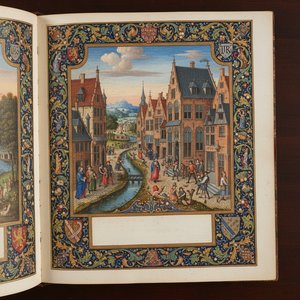
Jan Zasiedatel (1833 – 1893) was a Belgian painter who emerged from Bruges during the late Romantic era, establishing himself as a prominent figure in Flemish Primitive Art and demonstrating a profound admiration for the artistic achievements of Hans Memling and the Italian Renaissance masters. His distinctive style blended meticulous realism with expressive brushwork, resulting in captivating depictions of religious subjects and portraits that continue to resonate with collectors and art historians alike.
Early Life and Artistic Training
Born in Bruges, Zasiedatel’s formative years were steeped in the artistic heritage of his hometown – a city renowned for its Guild Hall tradition and celebrated painters like Jan van Eyck and Hans Memling. Recognizing his talent early on, he received instruction from Jean-Baptiste Oudenaarden, a respected Flemish artist who championed the revival of Flemish painting techniques. This mentorship instilled in Zasiedatel a disciplined approach to artmaking and fostered an unwavering commitment to capturing the essence of human emotion through precise observation and skillful execution.
Influences and Artistic Style
Zasiedatel’s artistic vision was undeniably shaped by the monumental works of Hans Memling, particularly his frescoes adorning St Mary's Hospital in Bruges. Zasiedatel meticulously studied Memling’s masterful use of color palettes, compositional arrangements, and chiaroscuro—the dramatic interplay between light and shadow—incorporating these principles into his own paintings. Simultaneously, he drew inspiration from the grandeur and humanist ideals of the Italian Renaissance, absorbing stylistic elements from artists such as Raphael and Michelangelo. This dual influence manifested in Zasiedatel’s canvases – characterized by luminous colors, detailed drapery folds, and a palpable sense of psychological depth.
Notable Works: A Testament to Flemish Tradition
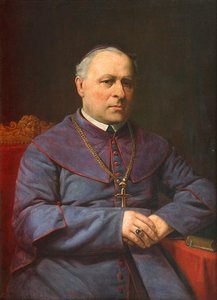
Zasiedatel's oeuvre comprises numerous paintings that exemplify the stylistic hallmarks of Flemish Primitive Art. Among his most celebrated creations is “Ukrainian Portrait of Capuchin” (1872), an oil painting imbued with Caravaggio’s dramatic chiaroscuro technique and capturing a remarkable likeness of Saint Francis Xavier. The artwork showcases Zasiedatel's ability to convey spiritual contemplation through nuanced facial expressions and subtle gestures, reflecting Memling’s influence on his artistic sensibilities. Furthermore, “Saint Peter’s Basilica” (circa 1875) demonstrates Zasiedatel’s meticulous attention to architectural detail and his masterful rendering of light and shadow—a technique honed during his studies under Oudenaarden. "Portrait of Kamila Rusanowska" is another remarkable piece showcasing Zasiedatel's skill in portraying human emotion with sensitivity and precision.
Legacy and Historical Significance
Jan Zasiedatel’s contribution to Flemish art history extends beyond his individual masterpieces. He played a crucial role in reviving interest in Flemish Primitive Art during the Belle Époque, ensuring that Bruges’ artistic legacy endured into the 20th century. His paintings are housed in museums across Europe, including St Mary's Hospital in Bruges and Milan Art Museum, serving as tangible reminders of Zasiedatel’s artistic genius and his unwavering devotion to capturing the beauty and solemnity of religious iconography. Zasiedatel remains a testament to the enduring power of artistic tradition—a painter who successfully blended Flemish realism with Italian Renaissance ideals, leaving an indelible mark on European art history.