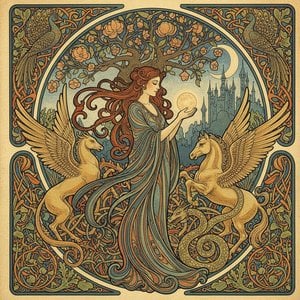
Giuseppe Sommaruga: Pioneer of Liberty Style Architecture
Giuseppe Sommaruga (1867–1917) stands as a prominent figure in Italian architectural history, particularly celebrated for his contributions to the Liberty style – also known as Art Nouveau. Born in Milan during a period of fervent artistic experimentation, Sommaruga’s career coincided with the burgeoning influence of movements like Futurism and cemented his reputation as an innovator who blended organic forms with meticulous craftsmanship. His legacy continues to inspire architects today, demonstrating the enduring power of aesthetic vision combined with technical mastery.
Early Life & Artistic Formation
Sommaruga's formative years were marked by exposure to influential artistic mentors. He began his architectural education at the Brera Academy in Milan, where he studied under Camillo Boito and Luca Beltrami – figures who championed a humanist approach to design and profoundly shaped the stylistic sensibilities of their pupils. This academic grounding instilled within him a deep appreciation for classical principles interwoven with the burgeoning trends of Art Nouveau, preparing him for a distinguished architectural practice.
Notable Architectural Achievements: A Celebration of Organic Forms
Sommaruga’s architectural output is characterized by its bold embrace of Liberty style aesthetics. Several projects exemplify his distinctive vision and solidified his place in Italian architectural canon. The Grand Hotel Campo dei Fiori (1909–1912), situated near Varese, showcases Sommaruga's ability to integrate monumental scale with delicate ornamentation—a hallmark of the movement. Similarly, the Mausoleo Faccanoni in Sarnico (1907) exemplifies his masterful use of sculptural elements and intricate vegetal motifs. Villa Faccanoni and Palazzo Castiglioni – both located in Milan – further demonstrate Sommaruga’s commitment to creating spaces that harmoniously blend natural beauty with architectural grandeur. Tragically, Palazzo Castiglioni was destroyed during World War II, leaving only photographs as testament to its innovative design. However, Villa Romeo Faccanoni remains a stunning example of his style and is now part of Clinica Columbus.
Influence & Legacy: Shaping the Futurist Vision
Sommaruga’s architectural explorations resonated beyond stylistic considerations; he exerted considerable influence on younger architects, notably Antonio Sant'elia, who embraced Futurism while retaining Sommaruga’s appreciation for monumental grandeur. Sommaruga’s designs served as a catalyst for experimentation and pushed boundaries within the Italian architectural landscape. His meticulous attention to detail—particularly in sculptural ornamentation—became an inspiration for subsequent generations of artists and designers.
Concluding Reflections: An Enduring Artistic Spirit
Giuseppe Sommaruga's contribution to Art Nouveau architecture transcends mere stylistic imitation; it embodies a profound engagement with the spirit of his time – a desire to express beauty, dynamism, and harmony through innovative forms and techniques. His enduring legacy resides not only in his impressive buildings but also in his unwavering belief that art could elevate human experience and enrich the cultural heritage of Italy. Sommaruga’s work continues to inspire architects today, reminding us of the transformative power of artistic vision and technical skill.