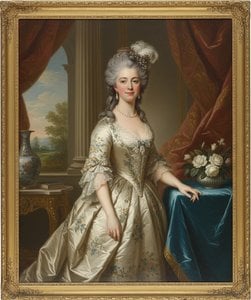
Dramatická vízia Francisa Haymana
V živobudnom a neustále sa meniacom svete britského umenia eighteenthho storočia malo len málo postáv taký všestranný brilantný talent ako Francis Hayman. Narodený v Exeteri v roku 1708, Hayman len nesledoval kultúrnu evolúciu svojej éry; on ju aktívne formoval prostredníctvom jej vizuálneho jazyka. Jeho cesta sa začala ďaleko od vyvinutých londýnskych galérií, zakorenená skôr v éfemérnom a penuhom rizika svete divadelnej scenografie. Táto skorá imersia do dramatických umení mu poskytla jedinečnú výhodu a vtmlila mu hlboké pochopenie kompozície, svetla a naratívneho napätia, ktoré neskôr definovalo jeho majstrovstvo v štýle rokoka. Keď prešiel z pozície scenografa na nezávislého umelca v St Martin's Lane, Hayman so sebou priniesol dušu rozprávača, schopnú premeniť statické plátno na okno do divadelného okamihu.
Estetická podstata Haymanovej tvorby je hlboko prepletená s hnutím rokoka, érou charakterizovanou gráciou, ornamentom a určitou ľahkosťou a eleganciou. Čerpajúc inšpiráciu z bohatých francúzskom majstrov, ako bol François Boucher, Hayman si osvojil paletu jemných pastelových farieb a plynulé, rytmické ťahy štetcom. Jeho dielo však nikdy nebolo čisto dekoratívne; disponovalo štrukturálnou integritou vychádzajúcou z klasických ideálov. Vďaka svojmu spojeniu s rastúcimi intelektuálnymi kruhmi v Londýne integroval pocit pomeru a formy, ktorý umožnil jeho portrétom prekonať obyčajnú podobnosť a zachytiť samotnú podstatu charakteru a spoločenského postavenia.
Odkaz Kráľovskej akadémie a majstrovstvo príbehu
Haymanov historický význam je pevne zakotvený v jeho zakladateľskej úlohe pri vzniku Kráľovskej akadémie. Ako zakladajúci člen a prvý knihovník tejto inštitúcie pomohol položiť základy profesionálnych umeleckých štandardov v Británii. Táto pozícia vplyvného človeka mu umožnila premostiť priepast medzi populárnou, často hlučnou zábavou mas, a vznešenými snahami akademickej elity. Jeho schopnosť navigovať medzi týmito rôznymi svetmi je možno najlepšie vidieť v jeho rozmanitej tvorbe, ktorá sa pohybuje od monumentálnych až po intímne motívy.
Jeho umelecký repertoár bol mimoriadne rozšírený a preukazoval talent, ktorý dokázal plynule prechádzať medzi rôznymi žánrami:
- Divadelné a literárne scény: Hayman disponoval vzácnou schopnosťou oživovať literatúru, čím vytváral evokatívne zobrazenia Shakespearových dramat a živé scény z Don Quijota, ako napríklad vášnivý moment, keď majster hostinca udeľuje rytiersku čest rytierovi.
- Portrétne malba: Stal sa vyhľadávaným kronikárom svojej doby, zachytujúc charizmu legendárnych hercov ako David Garrick a aristokratickú eleganciu postáv, napríklad Dr. Charles Chauncey, MD.
- Dekoratívne zakázky: Jeho práca pre záhrady Vauxhall Pleasure Gardens demonštrovala jeho schopnosť veľkolepkého rozprávania, kde využíval umenie na posilnenie zmyslového zážitku verejnosti z voľného času a radosti.
- Biblické a mytologické témy: Prostredníctvom diel ako Dobrý Samaritán využíval Hayman svoju rokokačnú citlivosť na skúmanie hlbokých tém súcitu, charity a božskej interakcie.
V konečnom dôsledku bol život Francisa Haymana svedectvom o sile vizuálneho rozprávania. Prepojením divadelnosti scény s vyvinutou eleganciou rokoka vytvoril umelecký celok, ktorý zostáva vitalným oknom do éry osvetlenia. Jeho odkaz pretrváva nielen v plátenách, ktoré nesú jeho meno, ale aj v samotnej štruktúre britskej umeleckej histórie, čo z neho robí skutočného pioniera, ktorý pomohol pozdvihnúť status maliara zo remeselníka na akademického majstra.
Otázky a odpovede
V akom meste a v ktorej krajine sa narodil/a Francúz Hayman?
Francúz Hayman sa narodil v meste Exeter v krajine Spojené kráľovskosti.
Pod akými ďalšími menami je známy/á Francúz Hayman?
Francúz Hayman sa objavuje aj pod inými menami: Francis Hayman.
Môžem si zoradiť diela umelca Francúz Hayman podľa farby?
Spektrálny index umelca Francúz Hayman je stránka, ktorá organizuje jeho diela podľa ich farieb.