


 Olej na plátneWallArtPost-Impressionism
 188519. storočie
 71.0 x 57.0 cm
Ručne maľovaný olej na plátne vo vašej zvolenej veľkosti a v ráme, vyrobený na mieru našimi umelcami. ( Kúpiť tlač Kúpiť obrázok)





























Vyberte si z našich preddefinovaných rozmerov, ktoré zodpovedajú pôvodným pomeroḿ diela.

Môžete zadať vlastné rozmery tak, aby sa hodili do konkrétneho rámu alebo priestoru. Ak sa váš zvolený rozmer nezhoduje s pôvodnými proporciami obrazu, dielo buď orezáme, alebo ho doplníme ručne maľovanými prvkami. Pred začiatkom výroby vám zašleme digitálny náhľad na schválenie.
Upozorňujeme, že ukážka na obrazovke neodráža skutočné orezanie alebo doplnenie. Skutočnú finálnu kompozíciu zobrazuje iba digitálny náhľad.
Hoci sú k dispozícii vlastné rozmery, odporúčame vybrať rozmer z preddefinovaného zoznamu, aby sme zachovali pôvodné proporcie.
Celosvetová doprava () za 3 až 4 týždne namiesto štandardných 5 týždňov. (6 september). Bez kompromisov v kvalite.


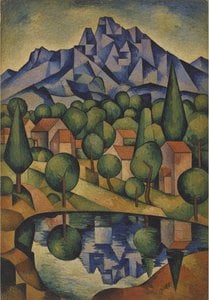
Výhľad na L'Estaque a Château d'If
Veľkosť reprodukcie
Paul Cézanne’s “View of L’Estaque and Château d’If” is more than just a landscape painting; it’s an invitation. An invitation to step into the sun-drenched heart of Provence, to breathe in the salty air, and to witness the artist's revolutionary approach to capturing light and form. Completed in 1885, this work represents a pivotal moment in Cézanne’s artistic journey – a departure from the fleeting impressions of Impressionism towards a more structured, geometric vision that would profoundly influence generations of artists to come. The scene depicts the charming coastal village of L'Estaque, nestled against the backdrop of the imposing Château d’If, a fortress island rising dramatically from the Mediterranean Sea. It is a place Cézanne chose deliberately, seeking solitude and inspiration amidst the vibrant colors and rugged beauty of the region.
Cézanne’s early work was undeniably influenced by Impressionism – he spent time with Pissarro at Pontoise, absorbing its techniques for capturing atmospheric effects. However, “L’Estaque” marks a significant shift. He wasn’t simply aiming to record the visual appearance of the scene; instead, he sought to distill it into its essential forms and colors. Notice the loose, expressive brushstrokes, characteristic of Impressionism, but observe how they are used not to mimic reality, but to suggest movement and volume. The painting is built upon a foundation of overlapping planes – the houses stacked one atop another, the trees rendered as distinct geometric shapes, the sea shimmering with reflected light. This deliberate simplification of form, combined with his masterful use of color, creates an image that feels both familiar and utterly unique.
Cézanne’s palette is a testament to the intensity of Provençal light. He employs a vibrant range of blues – from pale cerulean to deep indigo – to depict the sea and sky, punctuated by bursts of warm ochre, terracotta, and lemon yellow that capture the warmth of the sun-baked buildings and foliage. The artist doesn’t shy away from bold contrasts; dark shadows are juxtaposed with brilliant highlights, creating a dynamic interplay of light and shadow that brings the scene to life. The painting isn't merely about depicting what is seen; it’s about conveying the *feeling* of being there – the warmth on your skin, the scent of the sea, the sense of timelessness. The use of color becomes almost symbolic, representing not just visual reality but also emotional resonance.
Beyond its aesthetic qualities, “L’Estaque” is imbued with symbolism. The Château d’If, a former prison island, evokes themes of isolation and confinement, yet it also stands as a symbol of resilience and the enduring spirit of humanity. The painting can be interpreted as a meditation on the relationship between man and nature – a harmonious blend of human habitation and the wild beauty of the landscape. Cézanne’s deep connection to Provence is palpable; he returned to L'Estaque repeatedly, finding solace and inspiration in its simple beauty. This work represents not just a depiction of a place, but a profound expression of his love for his homeland.
This high-quality reproduction offers art enthusiasts and interior designers an opportunity to bring a touch of Impressionist elegance into their environment. Its vibrant colors and dynamic composition make it an ideal centerpiece for living rooms, offices, or galleries. As a testament to Cézanne’s revolutionary approach, this piece not only enhances aesthetic appeal but also serves as a conversation starter, inspiring admiration for the enduring power of Impressionist art.


1839 - 1906 , Francúzsko

Explore the transformative era of Post-Impressionism. Discover how masters like Cézanne and Matisse revolutionized color and form, moving beyond Impressionism to shape modern art history through structural innovation and expressive emotion.

Master the nuances of Impressionism vs. Post-Impressionism with our expert guide. Explore the revolutionary shift from Monet’s fleeting light to Van Gogh’s emotional depth. Discover how these iconic movements continue to inspire fine art collectors and modern interiors today.

Explore the structural genius of Paul Cézanne. Discover how his mastery of geometric form and color bridged Impressionism and Cubism in this definitive guide for art enthusiasts and collectors.
Explore the profound legacy of Paul Cézanne. Discover how his mastery of geometric forms and vibrant color bridged Impressionism and Cubism, offering timeless inspiration for fine art collectors and enthusiasts seeking to understand the foundations of modern art.

 Náhľad
 Odoslať
 Zdieľať
 Podrobnosti o dielo

 Stiahnuť
 Podobné diela
 RTG skúška
 Prezentácia
 Zobraziť viac







 Možnosť skla je dostupná len pri rozmeroch pod 110 cm


