Biografia umelca
Život v svetle: Svet Jana van Eycka
Jan van Eyck, meno neoddeliteľne spojené so zrodom raného holandského maliarstva a revolučným využitím olejomaľby, zostáva záhadnou postavou napriek svojmu obrovskému dopadu na dejiny umenia. Narodil sa okolo roku 1390 v Maastrichte, v dnešnom Holandsku, pochádzal z umeleckej rodiny – jeho starší brat Hubert sa tiež venoval maliarskeho remeslu, hoci detaily o jeho tvorbe zostávajú nejasné. Hoci presné biografické údaje sú vzácne, najmä pokiaľ ide o jeho formujúce roky, je jasné, že Jan mal vrodený talent a rýchlo vystúpil do popredia umeleckých kruhov svojej doby. Už v roku 1422 založil dielňu v Haagu, zamestnával pomocníkov a prijímal zakázky, ktoré signalizovali jeho majstrovstvo remesla. Tento skorý úspech nespočíval len v umeleckých zručnostiach; van Eyck bol inteligentný a dôveryhodný muž, vlastnosti, ktoré ho čoskoro pritiahli do služieb mocných patrónov.
Slúžba Burgundsku: Diplomacia a umelecký rozkvet
Kľúčový moment v kariére van Eycka nastal jeho menovaním na burgundský dvor, najprv pod Jánom III. Pitiless a neskôr Filipom Dobrým. Toto nebolo len patronátne usporiadanie; van Eyck bol poverený diplomatickými misiami, čo dokazovalo dôveru vojvodu v jeho diskrétnosť a inteligenciu. Tieto cesty po Európe – vrátane ciest do Portugalska a Španielska – ho vystavili rôznym kultúram a umeleckým vplyvom, ktoré jemne formovali jeho vyvíjajúci sa štýl. Dvor poskytol nielen finančnú istotu, ale aj prístup k zdrojom, ktoré umožnili van Eyckovi realizovať ambicióznejšie projekty, posúvajúc hranice umeleckého dosahu. Nebol len maliar *pre* burgundskú elitu; stal sa neoddeliteľnou súčasťou ich sveta, odrážajúc a zvyšujúc ich prestíž prostredníctvom svojho umenia. Táto jedinečná pozícia mu poskytla úroveň umeleckej slobody, ktorá bola zriedkavá pre maliarov tej doby, čo umožnilo experimentovanie a inovácie, ktoré navždy zmenili chod maľby.
Alchýmia oleja: Revolúcia v technike
Hoci van Eyck nevynikol olejomaľbu – jej použitie predchádza jeho práci – nepochybne je jej majstrom zdokonaľovateľom. Pred jeho inováciami bola tempera dominantným médiom, ktoré ponúkalo obmedzené možnosti miešania a relatívne matný povrch. Van Eyck odomkol plný potenciál olejomaľby pomocou starostlivého nanášania priehľadných glazúr, dosahujúc bezprecedentnú úroveň detailov, luminiscencie a realizmu. Táto technika umožnila jemné prechody tónov, bohatšie farby a vytváranie textúr, ktoré napodobňovali skutočný život. Účinok bol transformačný; povrchy sa zdali žiariť zvnútra, látky mali hmatateľnú kvalitu a portréty zachytili nielen podobnosť, ale aj psychologickú hĺbku. Jeho majstrovstvo nebolo len technické – bol to alchemický proces, ktorý premieňal pigmenty na niečo pripomínajúce živú realitu. Táto inovácia nezostala bez povšimnutia; stala sa základom pre generácie nasledujúcich maliarov a zásadne zmenila krajinu západného umenia.
Majstrovské diela a trvalé dedičstvo
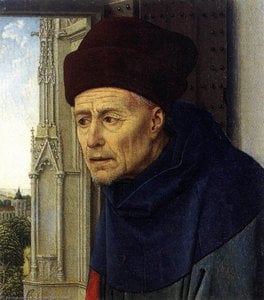
Umelecký odkaz van Eycka je upevnený relatívne malým, ale hlboko vplyvným súborom diel. Gentský oltár (1432), monumentálny polyptychon, stojí ako jeho najambicióznejší projekt – komplexná tapiséria náboženskej symboliky a technickej brilantnosti. Rovnako známy je aj portrét *Giovanna Arnolfiniho a jeho manželky* (1434), priekopnícke dielo v portrétoch oslavované pre svoj realizmus, zložité detaily a záhadnú symboliku. Medzi ďalšie pozoruhodné práce patrí Dresdenský triptych, ktorý demonštruje jeho schopnosť zobrazovať náboženské scény s pozoruhodnou jasnosťou, a výrazný *Muž v modrom turbáne*, dôkaz jeho schopnosti zachytiť individuálny charakter. Tieto obrazy nie sú len vizuálne reprezentácie; sú to okná do iného sveta – sveta meticulózne vykresleného s takmer obsesívnou pozornosťou k detailom. Vplyv van Eycka presahuje tieto ikonické diela, formuje vývoj raného holandského maliarstva a inšpiruje nespočetných umelcov po stáročia. Zomrel v Bruggách v roku 1441 a zanechal odkaz, ktorý rezonuje dodnes a pripomína nám silu umenia osvetľovať ľudskú skúsenosť.



 Zobraziť v interiéri
 Prepnúť na tlač
 Odoslať
 Zdieľať
 Podrobnosti
 Príručkovo

 Stiahnuť
 Podobné položky
 RTG skúška
 Prehliadanie diapo\]
 Štatistiky

 Prečítať si viac






































 Možnosť skla je dostupná len pri rozmeroch pod 110 cm