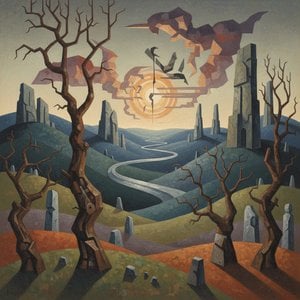
Стивен Бона: Жизнь и искусство
Ранние годы и образование
- Родился: Чизик, Великобритания (1904)
- Умер: 1958
- Стивен Бона был сыном прославленного художника сэра Мьюрхеда Бона и писательницы Гертруды Елены Додд. Эта глубокая художественная преемственность в семье оказала неоценимое влияние на его раннее становление.
- Свое образование он получил в школе Бедалес, а в 1922 году поступил в Лондонскую школу изящных искусств Слейд.
- Однако академический подход Слейда вскоре разочаровал молодого мастера, и в 1924 году он оставил учебу, чтобы посвятить себя книжной иллюстрации.
Начало пути и творческое становление
- Первый успех пришел к Бона как к мастеру ксилографии: он создавал гравюры для своей матери и других известных авторов. В 1925 году его талант был отмечен золотой медалью за гравюру на дереве на Международной выставке в Париже.
- В 1926 году его участие в совместной выставке с Родни Джозефом Берном и Робином Гутри в галерее Goupil стало важным шагом к признанию его индивидуального стиля.
- Продемонстрировав невероятную многогранность, в 1928 году он создал монументальную роспись для станции метро Пикадилли-Серкус.
- Брак с художницей Мэри Адсхед, заключенный в 1929 году, открыл перед ним горизонты долгих путешествий по Британии и Европе. Именно эти странствия сформировали его узнаваемый почерк — яркие пейзажи, написанные en plein air, где мастерство художника не зависело от капризов погоды.
1930-е годы: Пейзажная живопись и выставки
- В течение 1930-х годов имя Бона звучало в самых престижных галереях, включая Fine Art Society, Lefevre Gallery и Redfern Gallery.
- В 1936 году в Оксфордской галерее Ryman он представил масштабную серию из 41 полотна, посвященную британским графствам, продемонстрировав свое стремление запечатлеть саму душу английского ландшафта.
- Его творчество вышло и за пределы Британии: выставки в Стокгольме в 1936 и 1937 годах способствовали росту его международной известности.
Военный художник и вклад в искусство Второй мировой войны
- С началом Второй мировой войны судьба Бона круто изменилась: он вступил в ряды офицеров Управления гражданской обороны по маскировке.
- В 1943 году Комитет консультантов по военным художникам назначил его штатным художником, специализирующимся на темах Адмиралтейства. Эта важная миссия ранее принадлежала его отцу, Мьюрхеду Бону, но Стивен принял этот вызов после трагической гибели их сына Гэвина.
- Значимые работы военного периода: Его кисть запечатлела бесчисленные береговые укрепления и морские суда, включая драматичные сцены, написанные прямо на борту подводных лодок. le
- Будучи очевидцем истории, Бона документировал высадку в Нормандии в 1944 году, создавая полотна в Кане и Курсюлле. Он также запечатлел штурм острова Валанден в Нидерландах.
- В конце 1944 года его поездка в Норвегию позволила ему задокументировать гибель линкора «Тирпиц», захваченные военно-морские базы и скорбные свидетельства массовых захоронений военнопленных.
Послевоенный период и наследие
- После окончания войны стиль Бона, казалось, оказался на периферии моды. Несмотря на неустанное стремление к творчеству, ему стало все труднее выставлять свои работы в крупных галереях.
- В этот период он нашел себя в искусствоведческой критике, работая для Manchester Guardian, и привносил долю юмора в свои статьи для Glasgow Herald.
- Стивен также работал на телевидении и радио BBC, а вместе с супругой создавал детские книги. Вместе они организовали курс монументальной живописи в Дартингтоне.
- В 1957 году он занял почетный пост директора Колледжа искусств Хорнси.
- Смерть: Стивен Бона ушел из жизни от рака 15 сентября 1958 года в лондонской больнице Святого Варфоломея.
- Творческое наследие Стивена Бона — это бесценная визуальная летопись Британии середины XX века, в которой гармонично переплетаются безмятежность сельских пейзажей и суровая правда военных лет.
Вопросы и ответы
Где я могу увидеть цветовую палитру работ Стивен Бона?
Геном палитры художника Стивен Бона — это страница, представляющая цветовую палитру всего его творчества.
Сколько произведений искусства Стивен Бона доступно для просмотра?
Вы можете просмотреть 161 произведений искусства работ художника Стивен Бона на странице Все произведения искусства.
Где и в каком году родился Стивен Бона?
Стивен Бона родился в Чизвик, 1904 год.