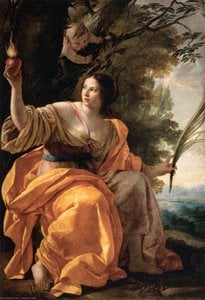
Симон Вуэ, 1590 – 1649

Симон Вуэ: 100 самых известных картин

Венера и Адонис (1642) — самая известная картина Симон Вуэ, которая находится в Музей Дж. Пола Гетти в городе Лос-Анджелес. The Muses of Urania and Calliope (1634) и Annunciation (1640) — следующие две самые известные работы в мире. Из 166 работ Симон Вуэ в нашем каталоге мы выбрали 100 самых популярных среди коллекционеров и посетителей музеев — с указанием года, музея и истории каждого произведения.

Рейтинг основан на нашем показателе популярности, который учитывает количество поисковых запросов, посещений и заказов для каждой работы. Обновлено Октябрь 2026. Каждое произведение на этой странице можно заказать как высококачественную масляную репродукцию ручной работы или художественную печать в любом выбранном вами размере.

Портрет Симон Вуэ
Симон Вуэ · 1590 – 1649
Дата рождения · дата смерти
1590 – 1649, Париж
Направление
French baroque
Работы в нашем каталоге
166
Самые известные
Венера и Адонис (1642)
Больше всего работ в
Лувр

Топ-10: самые известные картины Симон Вуэ

Венера и Адонис (1642) работы Симон Вуэ
1

Венера и Адонис

1642 · Акрил на холсте · Музей Дж. Пола Гетти, Лос-Анджелес

Venus и Адонис: Шедевр Барокко Симона Вюэ Симон Вюэ был ключевой фигурой в переходном периоде французской живописи от маньеризма к барокко, благодаря чему он сумел привнести итальянские художественные тенденции во Францию. Этот выдающийся художник родился 9 января 1590 года в Париже и умер 30 июня 1649 года там же. Его талант был унаследован от отца Лаурента, который также был художником, и его сын Лудовико Дориньи продолжил семейное художественное наследие. Ранняя…

The Muses of Urania and Calliope (1634) работы Симон Вуэ
2

The Muses of Urania and Calliope

1634 · Acrylic On Canvas · Национальная галерея искусств, Вашингтон

Simon Vouet’s “The Muses Urania and Calliope”: A Symphony of Baroque Grace Simon Vouet (1590-1649) stands as a pivotal figure in the artistic landscape of 17th-century France, marking the decisive transition from Mannerism to the opulent grandeur of the Baroque style. His legacy resides not merely in his prolific output but also in his unwavering dedication to mastering Italian influences—a pursuit that fundamentally reshaped French painting and cemented Vouet’s place…

Annunciation (1640) работы Симон Вуэ
3

Annunciation

1640 · Oil On Canvas · Галерея Уффици, Флоренция

Simon Vouet's "Annunciation," painted in 1640, is more than just a religious depiction; it’s a masterful orchestration of light, shadow, and human emotion. This captivating work transports the viewer to an intimate interior space, where the momentous announcement of Mary’s divine conception unfolds with breathtaking drama. The painting immediately draws the eye to the kneeling figure of the Virgin Mary, bathed in a warm, golden glow emanating from the right…

The Fortuneteller (detail) (1617) работы Симон Вуэ
4

The Fortuneteller (detail)

In the heart of 1617, amidst the vibrant and transformative atmosphere of Roman artistic circles, Simon Vouet captured a moment of profound human connection in his masterpiece, The Fortuneteller. This work, particularly when viewed in its intimate details, serves as much more than a mere portrait; it is an emblem of the burgeoning Baroque style that was beginning to reshape the visual landscape of Europe. The scene unfolds with a…

Sleeping Venus (1630) работы Симон Вуэ
5

Sleeping Venus

1630 · Acrylic On Canvas · Музей изящных искусств Будапешта, Будапешт

Simon Vouet's "Sleeping Venus," painted around 1630, is not merely a depiction of a reclining nude; it’s an exquisite distillation of Renaissance ideals and the burgeoning Baroque aesthetic. This captivating work transcends simple portraiture, offering instead a profound meditation on beauty, repose, and the delicate balance between earthly pleasure and spiritual contemplation. The painting immediately draws the viewer into a world of hushed tranquility, inviting us to share in the…

Allegory of Virtue (1634) работы Симон Вуэ
6

Allegory of Virtue

1634 · Acrylic On Canvas · Лувр, Париж

Simon Vouet’s “Allegory of Virtue,” completed around 1634, stands as a testament to the burgeoning Baroque aesthetic infiltrating French artistic circles during Louis XIII's reign. More than just a portrait—though it undeniably depicts a woman radiating grace and authority—the painting delves into profound philosophical concepts rooted in humanist ideals prevalent at the time.

The Entombment (1638) работы Симон Вуэ
7

The Entombment

1638 · Oil On Canvas · Фитцвильямский колледж, Кембридж

Simon Vouet's "The Entombment," painted in 1635–1638, is not merely a depiction of a biblical scene; it’s an exquisitely rendered meditation on grief, faith, and the profound dignity of sacrifice. This monumental work, currently residing within the collection of the Fitzwilliam Museum in Cambridge, transcends its subject matter to become a powerful testament to the Baroque era's ability to evoke intense emotion through masterful technique and carefully considered symbolism. Vouet,…

Angels with Attributes of the Passion: Angel Holding the Vessel and Towel for washing the hands of Pontius Pilate (1624) работы Симон Вуэ
8

Angels with Attributes of the Passion: Angel Holding the Vessel and Towel for washing the hands of Pontius Pilate

1624 · Oil · Minneapolis Institute of Art, Миннеаполис

A single celestial figure emerges from a deep, near-black void, commanding the space with an intimate and monumental presence. This angel, caught in a moment of profound spiritual devotion, gazes upward with eyes full of soulful contemplation or sorrow. The light descends from the upper left, carving the figure out of the darkness and casting soft, tender shadows across a face etched with emotion. Every detail feels immediate, from the…

Saint John (1623) работы Симон Вуэ
9

Saint John

1623 · Oil On Canvas · Филадельфийский музей искусства, Филадельфия

A young man turns his face toward a light that remains unseen. His eyes, wide and searching, catch a glimmer that pulls his gaze upward, away from the dark, murky depths of the background. Thick, dark curls frame a pale face, creating a sharp contrast against the heavy shadows that swallow the space around him. He is caught in a moment of sudden, quiet realization. The light does not merely…

Virgin and Child, with an Angel (1642) работы Симон Вуэ
10

Virgin and Child, with an Angel

1642 · Oil On Panel · Филадельфийский музей искусства, Филадельфия

The light falls softly upon the skin of the Virgin Mary, catching the curve of her cheek and the small, smooth hands of the Christ Child. They sit within a triangular arrangement that anchors the composition, surrounded by the deep shadows of a dense woodland. An angel leans into this intimate circle, its robes glowing with warm yellows and golds that contrast against the heavy, dark trees behind them. At…

Остальные места в рейтинге Симон Вуэ, с 11 по 100

Heavenly Charity (1640) работы Симон Вуэ
#14

Heavenly Charity

1640 · Лувр

A Beacon of Baroque Virtue: Simon Vouet’s Heavenly Charity Simon Vouet's "Heavenly Charity," completed around 1640, stands as a cornerstone of French Baroque painting—a testament to Louis XIII’s…

Заберите её домой →
Allegory (1640) работы Симон Вуэ
#15

Allegory

1640 · Музеи Капитолия

Simon Vouet executed Allegory during his residency in Rome, a period spanning from 1614 to 1627. The work was commissioned by Marcello Sacchetti, a 17th-century Italian merchant and…

Заказать репродукцию →
Vanitas (1621) работы Симон Вуэ
#24

Vanitas

1621 · Национальный музей в Варшаве

In Vanitas, Simon Vouet centers the composition on a tight, intimate encounter between two figures. A young woman and an older man emerge from a deep, near-black background…

Заберите её домой →
Saint Catherine of Alexandria (1620) работы Симон Вуэ
#60

Saint Catherine of Alexandria

1620 · Национальный музей западного искусства

Saint Catherine of Alexandria by Simon Vouet, executed in 1620, presents a formal study of the early Christian martyr. Rendered in oil on canvas, the work captures the…

Заберите её домой →
Toilet of Venus (1628) работы Симон Вуэ
#64

Toilet of Venus

1628 · Художественный музей Цинциннати

To gaze upon Simon Vouet’s Toilet of Venus is to step directly into a moment suspended in opulent leisure—a scene dripping with the sensuality and refined drama characteristic…

Заказать ручную копию →
Self-Portrait (1615) работы Симон Вуэ
#65

Self-Portrait

1615 · Musée Réattu

To stand before this self-portrait is to encounter not merely paint on canvas, but a direct conduit to the vibrant, ambitious spirit of early 17th-century Paris. Painted around…

Заберите её домой →
St Catherine (1614) работы Симон Вуэ
#69

St Catherine

1614 · Палаццо до Рінале

To stand before Simon Vouet's depiction of St Catherine is to step directly into the vibrant, emotionally charged atmosphere of early seventeenth-century Paris. This portrait captures more than…

Заберите её домой →
Веруга и Дитя со Светой Анной работы Симон Вуэ
#76

Веруга и Дитя со Светой Анной

Musée des Beaux-Arts de Lyon

Simon Vouet и его «Рождение Христа» Симон Воюэт был одним из ключевых фигур в переходном периоде французской живописи от маньеризма к барокко, человеком, который открыл итальянские традиции для…

Заберите её домой →
Madonna and Child (1633) работы Симон Вуэ
#80

Madonna and Child

1633 · Национальная галерея искусств

In the intimate embrace of Simon Vouet’s Madonna and Child, we are invited into a moment of profound, quiet tenderness that transcends the centuries. Painted in 1633, this…

Заберите её домой →
Allegory of Peace (1627) работы Симон Вуэ
#82

Allegory of Peace

1627 · Галерея Национальной античной живописи

Completed in 1627, Allegory of Peace by Simon Vouet offers a profound look into the intellectual fervor and humanist aspirations of the seventeenth century. This work emerged during…

Заберите её домой →
The Fortune Teller (1618) работы Симон Вуэ
#87

The Fortune Teller

1618 · Национальная галерея Канады

The Fortune Teller, painted in 1618 by the masterful Simon Vouet, offers a captivating glimpse into the social and artistic currents of early 17th-century France. This portrait, measuring…

Заказать ручную копию →
Caritas Romana работы Симон Вуэ
#92

Caritas Romana

Национальный музей в Варшаве

In Caritas Romana, Simon Vouet presents a quiet, emotionally charged encounter between two figures. The composition centers on a woman cradling an older, bearded man, creating an intimate…

Заказать ручную копию →
The Fortune Teller (1617) работы Симон Вуэ
#94

The Fortune Teller

1617 · Галерея Национальной античной живописи

Simon Vouet's "The Fortune Teller," painted in 1617, isn’t merely a portrait; it’s a carefully constructed tableau brimming with intrigue and a palpable sense of the mystical. Housed…

Заказать репродукцию →

Картины Симон Вуэ по периодам

Сюжеты, которые чаще всего писал Симон Вуэ

Четыре темы, которые чаще всего встречаются в этих шедеврах, с лучшими примерами каждой из них.

Где можно увидеть картины Симон Вуэ

8 музеев, в которых находится большинство картин со страницы.

Музей Город Работы Симон Вуэ Картины из этого списка
Лувр, ПарижЛувр Париж 20 Allegory of Virtue, Heavenly Charity, POLYMNIE, MUSE DE L'ELOQUENCE
Музей изящных искусств Будапешта, БудапештМузей изящных искусств Будапешта Будапешт 5 Sleeping Venus, Parnassus or Apollo and the Muses, Parnassus or Apollo and the Muses (detail)
Национальная галерея искусств, ВашингтонНациональная галерея искусств Вашингтон 4 The Muses of Urania and Calliope, The Muses Urania and Calliope, Madonna and Child
Галерея Национальной античной живописи, РимГалерея Национальной античной живописи Рим 4 The Fortuneteller (detail), Allegory of Peace, The Fortune Teller
Национальный музей в Варшаве, ВаршаваНациональный музей в Варшаве Варшава 4 Vanitas, Caritas Romana
Лос-Анджелесский музей округа Лос-Анджелес, Лос-АнджелесЛос-Анджелесский музей округа Лос-Анджелес Лос-Анджелес 3 Model for Altarpiece in St. Peter's, Model for Altarpiece in St. Peter's
Minneapolis Institute of Art, МиннеаполисMinneapolis Institute of Art Миннеаполис 2 Angels with Attributes of the Passion: Angel Holding the Vessel and Towel for washing the hands of Pontius Pilate, Angels with Attributes of the Passion, the Superscription from the Cross
Филадельфийский музей искусства, ФиладельфияФиладельфийский музей искусства Филадельфия 2 Saint John, Virgin and Child, with an Angel

Симон Вуэ сквозь десятилетия: по одному шедевру на каждое десятилетие

  1. 1610s
    The Fortuneteller (detail) (1617) работы Симон Вуэ
    № 4 из 100

    The Fortuneteller (detail)

    Возраст 20 – 29 · Галерея Национальной античной живописи

    In the heart of 1617, amidst the vibrant and transformative atmosphere of Roman artistic circles, Simon Vouet captured a moment of profound human connection in his masterpiece, The…

  2. 1620s
  3. 1630s
    The Muses of Urania and Calliope (1634) работы Симон Вуэ
    #2 из 100

    The Muses of Urania and Calliope

    Возраст 40 – 49 · Национальная галерея искусств

    Simon Vouet’s “The Muses Urania and Calliope”: A Symphony of Baroque Grace Simon Vouet (1590-1649) stands as a pivotal figure in the artistic landscape of 17th-century France, marking…

  4. 1640s
    Венера и Адонис (1642) работы Симон Вуэ
    № 1 из 100

    Венера и Адонис

    Возраст 50 – 59 · Музей Дж. Пола Гетти

    Venus и Адонис: Шедевр Барокко Симона Вюэ Симон Вюэ был ключевой фигурой в переходном периоде французской живописи от маньеризма к барокко, благодаря чему он сумел привнести итальянские художественные…

Картины художника Симон Вуэ: часто задаваемые вопросы

Какая картина Симон Вуэ является самой известной?Показать ответ

Венера и Адонис (1642), Музей Дж. Пола Гетти, Лос-Анджелес. Далее следуют The Muses of Urania and Calliope (1634) и Annunciation (1640).

В каком возрасте Симон Вуэ написал Венера и Адонис?Показать ответ

52 лет: Венера и Адонис датируется 1642 годом, а Симон Вуэ родился в 1590.

Какие 10 самых известных картин написал Симон Вуэ?Показать ответ

Венера и Адонис, The Muses of Urania and Calliope, Annunciation, The Fortuneteller (detail), Sleeping Venus, Allegory of Virtue, The Entombment, Angels with Attributes of the Passion: Angel Holding the Vessel and Towel for washing the hands of Pontius Pilate, Saint John и Virgin and Child, with an Angel. В рейтинге выше указаны год создания и музей для каждой работы.

Сколько картин написал Симон Вуэ?Показать ответ

В нашем каталоге представлено 166 работ Симон Вуэ, созданных в период с 1614 по 1645.

Где я могу увидеть самые известные картины Симон Вуэ?Показать ответ

Большинство из них находятся в Лувр (Париж), Музей изящных искусств Будапешта (Будапешт) и Национальная галерея искусств (Вашингтон). В таблице выше музеи перечислены по порядку.

В какой период Симон Вуэ создал свои самые известные работы?Показать ответ

За 1620s: 31 из 100 работ на этой странице относятся к этому периоду, в том числе Angels with Attributes of the Passion: Angel Holding the Vessel and Towel for washing the hands of Pontius Pilate.

Какая самая ранняя и самая поздняя известные картины Симон Вуэ?Показать ответ

Самая ранняя работа на этой странице датирована Lovers (1614), самая поздняя — Allegory of Prudence (1645).

Какие сюжеты писал Симон Вуэ?Показать ответ

Woman (15), Renaissance (11) и Man (9) из 100 работ на этой странице.

На чем и какими материалами писал Симон Вуэ?Показать ответ

Oil On Canvas: 40 из 100 работ на этой странице.

К какому направлению относится искусство Симон Вуэ?Показать ответ

French baroque, как показывают картины на этой странице.

Какие картины Симон Вуэ хранятся в Лувр?Показать ответ

Allegory of Virtue, Heavenly Charity и POLYMNIE, MUSE DE L'ELOQUENCE — одни из 12 работ на этой странице, хранящихся в Лувр, Париж.

Где я могу купить репродукцию Симон Вуэ?Показать ответ

Да. Каждую картину на этой странице можно заказать как высококачественную масляную репродукцию ручной работы или художественную печать в выбранном вами размере на странице самой картины.

Симон Вуэ: биография

Simon Vouet: A Pioneer of French Baroque Painting

Simon Vouet was a pivotal figure in the transition of French painting from Mannerism to the Baroque style—a transformation that fundamentally reshaped the artistic landscape of France and cemented his place as one of the most important artists of the seventeenth century. Born into an artistic family – Laurent Vouet, his father, was himself a painter – Simon received early training that instilled in him a deep appreciation for artistic innovation and meticulous craftsmanship. His grandson, Ludovico Dorigny, would continue the Vouet lineage’s dedication to art, ensuring the preservation of their distinctive aesthetic vision.

Early Career and Italian Influences (1608-1627)

Vouet's artistic journey began in Paris, where he honed his skills as a portraitist—a profession that would define much of his early career. Demonstrating remarkable talent from a young age, he embarked on a formative trip to England in 1608, commissioned to depict a prominent noble family. This experience exposed him to the burgeoning artistic fervor of Northern Europe and solidified his reputation as a rising star. However, Vouet’s ambitions extended beyond national borders; he eagerly embraced opportunities for exploration and learning abroad. His fascination with Italian art culminated in a momentous decision: in 1611, he joined the entourage of Baron de Sancy, France's ambassador to the Ottoman Empire—a journey that transported him to Constantinople and subsequently to Venice in 1612. These travels were not merely expeditions for pleasure; they served as invaluable catalysts for artistic growth. In Venice, Vouet immersed himself in the vibrant atmosphere of the Serenissima Republic, absorbing the stylistic precepts championed by Paolo Veronese and Giovanni Battista Tiepolo—artists who epitomized the grandeur and theatricality of the Venetian Baroque. Rome, from 1614 to 1627, proved to be Vouet’s crucible – a period of intense artistic experimentation and profound intellectual engagement. He resided within the epicenter of Baroque innovation, surrounded by luminaries such as Caravaggio, Guido Reni, Lanfranco, and Domenichino. These masters profoundly influenced Vouet's stylistic sensibilities, prompting him to meticulously analyze their techniques—particularly their masterful use of chiaroscuro (the dramatic interplay of light and shadow)—and to incorporate elements of Mannerism into his compositions. He wasn’t merely imitating; he was synthesizing disparate influences into a singular artistic idiom that would become his hallmark.

Development of Vouet’s Distinctive Style

The culmination of Vouet's Italian sojourn arrived in 1624 when he ascended to the presidency of Accademia di San Luca—Rome’s premier art institution—a prestigious honor reflecting both his exceptional skill and the recognition accorded him by fellow artists. This position afforded him unparalleled access to artistic discourse and enabled him to champion innovative approaches to painting. During this time, Vouet perfected a style characterized by its remarkable ability to absorb and transform diverse influences into a cohesive whole. He achieved this feat through painstaking observation of nature—a practice that informed his meticulous rendering of drapery folds and anatomical detail—and by embracing the principles of di sotto in su (foreshortened perspective), pioneered by Veronese, which created an illusion of depth and grandeur.

Major Achievements and Legacy

Upon returning to France in 1627, Vouet immediately established himself as a leading figure in Parisian artistic circles—a role he would maintain until his death in 1649. He was appointed *Premier peintre du Roi* (First Painter to the King)—a position of considerable prestige and influence—by Louis XIII—who recognized Vouet’s unparalleled talent and unwavering dedication to artistic excellence. This patronage afforded him access to royal commissions that allowed him to produce monumental paintings adorning Versailles and other palaces, solidifying his reputation as a master of decorative art. Vouet's workshop flourished during his lifetime, nurturing the careers of numerous aspiring artists—among them Charles Le Brun, Valentin de Boulogne, Pierre Mignard, Eustache Le Sueur, Claude Mellan—who would carry Vouet’s stylistic legacy throughout France. His influence extended beyond individual works; he established a distinctively Baroque school of painting that profoundly shaped the artistic sensibilities of subsequent generations. Vouet's enduring contribution to French art lies in his role as a catalyst for stylistic innovation and in his unwavering commitment to upholding the highest standards of artistic craftsmanship—a testament to his place among the titans of seventeenth-century European painting.

Все 166 работ Симон Вуэ →