Эмиль Шуффенекер, 1851 – 1934

Эмиль Шуффенекер: 24 самых известных картин

Émile Bernard (1889) — самая известная картина Эмиль Шуффенекер, которая находится в Музей изящных искусств Хьюстона в городе Хьюстон. Le retour des foins (1890) и A View Of The Cliffs Of Etretat — следующие две самые известные работы в мире. Из 26 работ Эмиль Шуффенекер в нашем каталоге мы выбрали 24 самых популярных среди коллекционеров и посетителей музеев — с указанием года, музея и истории каждого произведения.

Рейтинг основан на нашем показателе популярности, который учитывает количество поисковых запросов, посещений и заказов для каждой работы. Обновлено Октябрь 2026. Каждое произведение на этой странице можно заказать как высококачественную масляную репродукцию ручной работы или художественную печать в любом выбранном вами размере.

Портрет Эмиль Шуффенекер
Эмиль Шуффенекер · 1851 – 1934
Дата рождения · дата смерти
1851 – 1934, Френ-Сен-Маме
Направление
Post-impressionism
Работы в нашем каталоге
26
Самые известные
Émile Bernard (1889)
Больше всего работ в
Музей Вальраф-Рихарта

Топ-10: самые известные картины Эмиль Шуффенекер

Остальные места в рейтинге Эмиль Шуффенекер, с 11 по 24

Сюжеты, которые чаще всего писал Эмиль Шуффенекер

Четыре темы, которые чаще всего встречаются в этих шедеврах, с лучшими примерами каждой из них.

Где можно увидеть картины Эмиль Шуффенекер

5 музеев, в которых находится большинство картин со страницы.

Музей Город Работы Эмиль Шуффенекер Картины из этого списка
Музей Вальраф-Рихарта, KölnМузей Вальраф-Рихарта Köln 3 Child Dreaming Before the Sea, at Sunset, Kelp Gatherers, Notre Dame in the Snow
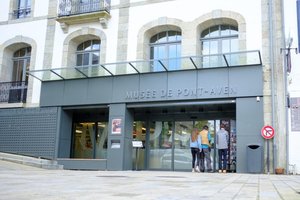
Musée de Pont-Aven, АстенпаркMusée de Pont-Aven Астенпарк 3 Portrait of Jules Bois, Profile study of a young woman, Portrait of Madame Champsaur
Музей изящных искусств Хьюстона, ХьюстонМузей изящных искусств Хьюстона Хьюстон 1 Émile Bernard
Музей Крёллер-Мюллера, ОттерлоМузей Крёллер-Мюллера Оттерло 1 Still Life with Bowl and Fruits
Musée des Beaux-Arts de Quimper, QuimperMusée des Beaux-Arts de Quimper Quimper 1 Rocky Coast in Brittany

Эмиль Шуффенекер сквозь года: шедевры каждого года

12 лет творчества Эмиль Шуффенекер, от 1884 до 1895, представленных год за годом через её самые известные работы.

  1. 1884
  2. 1884
  3. 1886
  4. 1886
  5. 1888
    Kelp Gatherers (1888) работы Эмиль Шуффенекер
    № 8 из 24

    Kelp Gatherers

    Возраст 37 · Музей Вальраф-Рихарта
  6. 1889
    Émile Bernard (1889) работы Эмиль Шуффенекер
    Место 1 из 24

    Émile Bernard

    Возраст 38 · Музей изящных искусств Хьюстона
  7. 1889
  8. 1890
  9. 1890
    Portrait of Madame Champsaur (1890) работы Эмиль Шуффенекер
    #24 из 24

    Portrait of Madame Champsaur

    Возраст 39 · Musée de Pont-Aven

    The Portrait of Madame Champsaur is an oil on canvas painting from 1890. It depicts a woman with long hair, wearing a necklace, who appears to be sitting…

  10. 1895
    Portrait of Jules Bois (1895) работы Эмиль Шуффенекер
    #13 из 24

    Portrait of Jules Bois

    Возраст 44 · Musée de Pont-Aven

    Claude Emile Schuffenecker’s “Portrait of Jules Bois,” painted in 1895, is more than just a likeness; it's a meticulously crafted glimpse into the intellectual and spiritual currents swirling…

Картины художника Эмиль Шуффенекер: часто задаваемые вопросы

Какая картина Эмиль Шуффенекер является самой известной?Показать ответ

Émile Bernard (1889), Музей изящных искусств Хьюстона, Хьюстон. Далее следуют Le retour des foins (1890) и A View Of The Cliffs Of Etretat.

В каком возрасте Эмиль Шуффенекер написал Émile Bernard?Показать ответ

38 лет: Émile Bernard датируется 1889 годом, а Эмиль Шуффенекер родился в 1851.

Какие 10 самых известных картин написал Эмиль Шуффенекер?Показать ответ

Émile Bernard, Le retour des foins, A View Of The Cliffs Of Etretat, Evening walk, Child Dreaming Before the Sea, at Sunset, The First Murder (also known as The Death of Abel), Still Life with Bowl and Fruits, Kelp Gatherers, Rocky Coast in Brittany и Notre Dame in the Snow. В рейтинге выше указаны год создания и музей для каждой работы.

Сколько картин написал Эмиль Шуффенекер?Показать ответ

В нашем каталоге представлено 26 работ Эмиль Шуффенекер, созданных в период с 1884 по 1895.

Где я могу увидеть самые известные картины Эмиль Шуффенекер?Показать ответ

Большинство из них находятся в Музей Вальраф-Рихарта (Köln), Musée de Pont-Aven (Астенпарк) и Музей изящных искусств Хьюстона (Хьюстон). В таблице выше музеи перечислены по порядку.

В какой период Эмиль Шуффенекер создал свои самые известные работы?Показать ответ

За 1884: 2 из 24 работ на этой странице относятся к этому периоду, в том числе Child Dreaming Before the Sea, at Sunset.

Какая самая ранняя и самая поздняя известные картины Эмиль Шуффенекер?Показать ответ

Самая ранняя работа на этой странице датирована Child Dreaming Before the Sea, at Sunset (1884), самая поздняя — Portrait of Jules Bois (1895).

Какие сюжеты писал Эмиль Шуффенекер?Показать ответ

French art (3), Landscape painting (2) и Beach (2) из 24 работ на этой странице.

К какому направлению относится искусство Эмиль Шуффенекер?Показать ответ

Post-impressionism и Impressionism, как показывают картины на этой странице.

Какие картины Эмиль Шуффенекер хранятся в Музей Вальраф-Рихарта?Показать ответ

Child Dreaming Before the Sea, at Sunset, Kelp Gatherers и Notre Dame in the Snow — одни из 3 работ на этой странице, хранящихся в Музей Вальраф-Рихарта, Köln.

Где я могу купить репродукцию Эмиль Шуффенекер?Показать ответ

Да. Каждую картину на этой странице можно заказать как высококачественную масляную репродукцию ручной работы или художественную печать в выбранном вами размере на странице самой картины.

Эмиль Шуффенекер: биография

Claude Emile Schuffenecker (1851–1934): An Unsung Pioneer of Impressionism

Claude Emile Schuffenecker, born December 8th, 1851, in Haute-Saône, France, remains a figure largely overshadowed by the luminaries of his era – Paul Gauguin and Odilon Redon. Yet, this quiet French Post-Impressionist artist possessed an undeniable contribution to the artistic landscape of late nineteenth century Paris, marked by a fervent dedication to capturing fleeting moments of beauty and a pioneering role in fostering the burgeoning field of art collecting. His life’s journey unfolded amidst considerable personal hardship, yet his artistic vision persisted, shaping landscapes imbued with atmospheric subtlety and portraits reflecting profound psychological depth.

Early Life & Artistic Formation

Schuffenecker's upbringing was shaped by familial circumstances that instilled a strong work ethic. Following the untimely death of his father, Nicolas Schuffenecker—a tailor from Guewenheim (Alsace)—in 1854, he and his brother Amédée faced significant economic challenges as their mother relocated to Meudon, near Paris, where her family resided. Supported by his maternal aunt Anne Fauconnet Monnet, Schuffenecker received a robust education at the frères des écoles chrétiennes, preparing him for a career in commerce—specifically, assisting his uncle Pierre Cornu’s chocolate and coffee roasting business. This practical grounding would prove invaluable later in life, providing stability amidst artistic pursuits. Crucially, he found kindred spirits in Gauguin and Redon, engaging in spirited discussions about the masters at the Louvre and honing his skills at the Académie Colarossi.

Friendship with Gauguin & The Volpini Exhibition

A formative relationship blossomed between Schuffenecker and Paul Gauguin—a connection that transcended mere artistic camaraderie and deepened into genuine friendship. Both men shared a passion for studying Old Masters, meticulously analyzing compositions and techniques at the Louvre, seeking to distill their essence into visual representations. This intellectual exchange fueled their creative endeavors and cemented their commitment to exploring innovative approaches to painting. Notably, Schuffenecker played an instrumental role in organizing the Volpini Exhibition of 1889—a landmark event showcasing Impressionist art and attracting considerable public attention. His involvement underscored his belief in disseminating artistic ideas and fostering dialogue within the Parisian avant-garde. Gauguin’s influence on Schuffenecker was palpable, particularly evident in their shared fascination with Symbolism alongside Impressionistic principles.

Schuffenecker’s Artistic Style & Influences

Schuffenecker's distinctive style is characterized by a masterful manipulation of light and color—traits undeniably influenced by Impressionism, yet tempered with a sensitivity to Symbolist aesthetics. He prioritized capturing mood and emotion over precise topographical accuracy, mirroring the spirit of his time. His landscapes frequently depict serene scenes bathed in hazy atmospheric conditions, employing delicate brushstrokes and muted hues to convey a profound sense of tranquility. Consider “Near Meudon,” where Schuffenecker captures the ethereal quality of twilight—a testament to his artistic prowess. Similarly, "Paysage Landscape" exemplifies his ability to distill complex visual information into evocative representations of nature—a reflection of Gauguin’s own stylistic choices. He was particularly captivated by Vincent van Gogh’s expressive use of color and texture, recognizing the transformative potential of conveying inner feelings through visual media.

A Controversial Legacy & Rediscovery

Despite Schuffenecker's considerable contribution to Impressionism and art collecting—including his early involvement in establishing a collection of Van Gogh paintings—his artistic reputation suffered a significant setback following the 1920s, fueled by accusations of stylistic imitation and speculation regarding the authenticity of certain artworks attributed to him. Scholarly research has begun to illuminate Schuffenecker’s life and oeuvre with greater nuance, acknowledging his dedication to capturing atmospheric subtleties and psychological depth—and prompting renewed interest in his work. Recent investigations have bolstered a more measured assessment of his artistic achievements—challenging earlier interpretations—and highlighting the importance of revisiting overlooked artists within the broader context of modern art history. Today, Musée des Cultures Taurines in Nîmes proudly showcases Schuffenecker’s legacy through its impressive collection of paintings and artifacts.