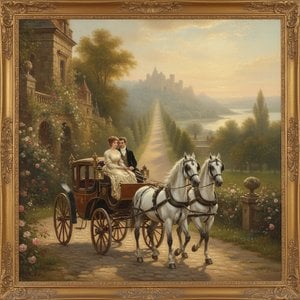
Heywood Hardy (1842–1933): A Master of Equestrian Art and Rural Landscapes
Heywood Hardy (1842 – 1933) stands as a prominent figure in Victorian British art, celebrated primarily for his captivating depictions of horses—particularly hunting scenes—and serene landscapes imbued with the spirit of rural England. Born November 25th, 1842, in Chichester, Sussex, Hardy descended from a lineage steeped in artistic tradition; his father, James Hardy Senior, was himself a respected landscape artist and musician, establishing a foundation for Hardy’s own creative pursuits.
- Early Life & Family Background: Hardy's upbringing fostered an appreciation for art and music within a large family comprising brothers James Junior and David, sister Ada, and cousins Frederick Daniel Hardy and George Hardy. His father’s role as Principal Trumpet in the Royal Band undoubtedly instilled discipline and performance skills.
- Education & Departure: After a disagreement with his father regarding artistic ambitions, Hardy pursued formal training at the École des Beaux-Arts in Paris under Isidore Pils, marking a pivotal step in honing his artistic vision. This Parisian period exposed him to continental art trends and broadened his stylistic horizons.
Artistic Development & Style
Initially focused on landscapes—capturing the beauty of Sussex countryside—Hardy swiftly transitioned to animal painting, specializing in equestrian portraits and hunting scenes. His meticulous attention to detail—particularly anatomy and movement—was evident in his realistic portrayals of horses and riders. He benefited greatly from instruction under Professor Alfred Henry Garrod on horse gait, furthering his technical expertise.
- Key Subjects: Hardy’s oeuvre encompassed iconic images of hunting expeditions, aristocratic leisure activities, and wildlife encounters—most notably lions—demonstrating a fascination with both the grandeur of nobility and the dynamism of the natural world.
- Style Characteristics: Combining realism with elements of Romanticism, Hardy's paintings conveyed emotion and atmosphere, reflecting the sensibilities of his era. He skillfully blended observation with imaginative interpretation, creating works that resonate with timeless beauty.
Major Achievements & Recognition
Hardy’s unwavering dedication to his craft earned him recognition within the British art establishment through consistent participation in Royal Academy exhibitions from 1864 onwards. Critics lauded his animal paintings—specifically a depiction of fighting lions—calling it “daring and determined,” highlighting his artistic prowess.
- Equestrian Portraits: Hardy achieved considerable renown for painting portraits of horses and their owners, including Lady Ida Sitwell, cementing his reputation as the artist of choice for discerning patrons.
- Grand National Winners: He immortalized three winners of the Grand National steeplechase for their owners—a testament to his understanding of equestrian culture and his ability to capture moments of triumph.
Furthermore, Hardy was a founding member of The Royal Society of Portrait Painters and The Royal Society of Painter-Etchers, signifying his stature within the artistic community.
Later Life & Legacy
Returning to Chichester in 1909, Hardy devoted his final years to creating religious artworks for local churches—a poignant reflection of his personal faith.
- Family Connections: His daughters Nina and Mabel Hardy continued the family’s artistic legacy, with Mabel marrying Charles Ormond Maugham – a prominent literary figure – further linking the Hardy family to the cultural landscape of Edwardian England.
Heywood Hardy is remembered as a significant Victorian animal painter—a master of capturing both the physicality and spirit of equestrian pursuits and rural landscapes. His works provide invaluable insights into the artistic tastes and social values of his time, ensuring his enduring place in British art history.