Hayrapet Sardari Hayrapetyan: A Legacy of Illuminated Gospels and Armenian Artistic Tradition
Hayrapet Sardari Hayrapetyan (December 1, 1874 – March 7, 1953) was an Armenian painter born in Tanakert, Ordubad District, Nakhichevan Autonomous Soviet Socialist Republic. He is primarily recognized for his masterful contribution to the realm of illuminated manuscripts and specifically for his meticulous work on the Four Gospels manuscript, completed in 1686 – a testament to the enduring artistic heritage of Armenia during its medieval period. However, Hayrapet’s influence extended beyond this singular masterpiece, shaping the artistic landscape of his time and leaving an indelible mark on Armenian art history.
Early Life and Artistic Training
Born into a family steeped in Armenian cultural traditions, Hayrapet received his initial artistic education within the confines of his homeland. Details regarding his formative years remain somewhat sparse, reflecting the challenges posed by archival records during the Soviet era. Nevertheless, it is understood that he honed his skills under the tutelage of Naghash Hovnatan, a celebrated Armenian painter and Hayrapet’s father – establishing a lineage dedicated to artistic excellence. This familial connection undoubtedly instilled in him a profound appreciation for Armenian iconography and craftsmanship.
The Four Gospels Manuscript: A Masterpiece of Illuminated Art
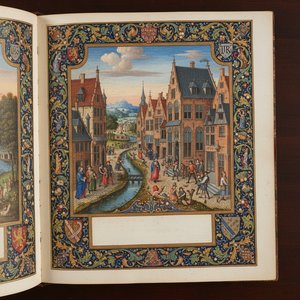
Hayrapet Sardari Hayrapetyan's fame rests principally upon his painstaking dedication to the creation of the Four Gospels manuscript, commissioned by Tsar Alexei Mikhailovich I of Russia. This ambitious project demanded unparalleled artistic skill and meticulous attention to detail—a characteristic that perfectly embodies Hayrapet’s approach to artmaking. Executed in 1686, the manuscript showcases a breathtaking fusion of Byzantine influences and Armenian artistic conventions. The vibrant colors, intricate ornamentation, and exquisitely rendered figures exemplify the zenith of illuminated manuscript artistry during the Baroque period. Each page is adorned with elaborate borders, stylized floral motifs, and meticulously crafted depictions of biblical scenes—a visual narrative that conveys profound spiritual significance.
Influence and Artistic Style
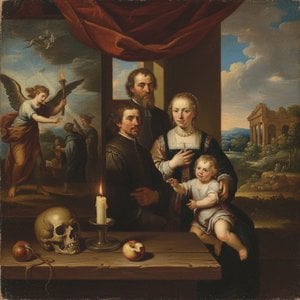
Hayrapet Sardari Hayrapetyan’s artistic style was deeply rooted in Armenian tradition yet simultaneously receptive to broader European trends. He skillfully blended Byzantine iconography with Baroque aesthetics, resulting in a distinctive visual language characterized by elegance, precision, and symbolic richness. His meticulous rendering of drapery folds, facial expressions, and anatomical proportions demonstrates an exceptional command of technique—a hallmark of his oeuvre. Furthermore, Hayrapet’s artistic vision was informed by the humanist ideals prevalent during his era, reflecting a commitment to portraying human figures with dignity and compassion.
Legacy and Recognition
Hayrapet Sardari Hayrapetyan's contribution to Armenian art history is undeniable. His work on the Four Gospels manuscript stands as an enduring symbol of Armenia’s artistic prowess during the Baroque period—a testament to the preservation of cultural heritage across centuries. Today, his masterpiece resides within the Tereshchenko Museum in Moscow, attracting scholars and enthusiasts alike who marvel at its beauty and complexity. Beyond this singular achievement, Hayrapet Sardari Hayrapetyan's influence continues to resonate throughout Armenian artistic circles – inspiring subsequent generations of painters to embrace tradition while exploring innovative approaches to visual expression. His legacy serves as a beacon of Armenian artistic excellence—a reminder that creativity transcends time and embodies the spirit of cultural continuity.