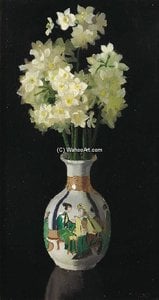
Элиот Грюнер, 1882 – 1939

Элиот Грюнер: 72 самых известных картин

Murrumbidgee Ranges, Canberra — самая известная картина Элиот Грюнер. Weetangera, Canberra и A Summer's Day — следующие две самые известные работы в мире. Из 75 работ Элиот Грюнер в нашем каталоге мы выбрали 72 самых популярных среди коллекционеров и посетителей музеев — с указанием года, музея и истории каждого произведения.

Рейтинг основан на нашем показателе популярности, который учитывает количество поисковых запросов, посещений и заказов для каждой работы. Обновлено Ноябрь 2026. Каждое произведение на этой странице можно заказать как высококачественную масляную репродукцию ручной работы или художественную печать в любом выбранном вами размере.

Портрет Элиот Грюнер
Элиот Грюнер · 1882 – 1939
Дата рождения · дата смерти
1882 – 1939, Гисборн
Направление
Impressionism
Работы в нашем каталоге
75
Самые известные
Murrumbidgee Ranges, Canberra
Больше всего работ в
Галерея Нового Южного Уэльса

Топ-10: самые известные картины Элиот Грюнер

Murrumbidgee Ranges, Canberra работы Элиот Грюнер
1

Murrumbidgee Ranges, Canberra

Oil

The sun hangs suspended over the Murrumbidgee Ranges, casting a soft, steady light across the Australian landscape. A large tree dominates the foreground, its green leaves catching the light while its roots anchor the scene amidst a field of dry, golden grass. In the distance, the mountains rise in soft silhouettes, adding a sense of depth to the rolling terrain. The air feels still, as if the wind has paused…

Репродукция маслом ручной работы от $181 42 × 24 cm
Weetangera, Canberra работы Элиот Грюнер
2

Weetangera, Canberra

is an oil on canvas painting by the artist Elioth Gruner. Created in 1937, the work captures the Murrumbidgee River at Weetangera. The landscape settles into the frame through a series of quiet, terrestrial layers. It is a study of a specific place where the water meets the earth.

Репродукция маслом ручной работы от $181 35 × 29 cm
A Summer's Day работы Элиот Грюнер
3

A Summer's Day

Oil

The scene unfolds in "A Summer's Day," a work by Elioth Gruner. This painting captures a quiet, sun-drenched moment within a park-like setting, where the warmth of the season seems to radiate from the very canvas. A figure in pink rests upon a bench, tucked beneath the shade of lush, green trees, while a meandering path invites the eye deeper into the landscape. The light filters through the foliage in…

Репродукция маслом ручной работы от $181 34 × 29 cm
Snapdragons работы Элиот Грюнер
4

Snapdragons

Oil

In this still life, the viewer is invited into a quiet moment of observation. A bouquet of snapdragons occupies the center of the frame, their distinctive, dragon-like petals unfurled in shades of red, pink, yellow, and white. These blooms emerge from a dark, shadowed background, a choice that pushes the colors forward and gives the arrangement a sense of physical weight. The vase itself is a study in detail, featuring…

Репродукция маслом ручной работы от $181 27 × 36 cm

Остальные места в рейтинге Элиот Грюнер, с 11 по 72

Сюжеты, которые чаще всего писал Элиот Грюнер

Четыре темы, которые чаще всего встречаются в этих шедеврах, с лучшими примерами каждой из них.

Где можно увидеть картины Элиот Грюнер

2 музеев, в которых находится большинство картин со страницы.

Музей Город Работы Элиот Грюнер Картины из этого списка
Галерея Нового Южного Уэльса, СиднейГалерея Нового Южного Уэльса Сидней 10 Weetangera, Canberra, Savana, Bondi Beach
Canberra Museum and Gallery, КанберраCanberra Museum and Gallery Канберра 1 Landscape

Элиот Грюнер сквозь года: шедевры каждого года

Творческий путь Элиот Грюнер на этой странице охватывает 7 лет, с 1915 по 1921: этот период представлен в хронологическом порядке через его самые известные полотна.

  1. 1915
    Afternoon, Bondi (1915) работы Элиот Грюнер
    #24 из 72

    Afternoon, Bondi

    Возраст 33 · Галерея Нового Южного Уэльса
  2. 1917
    Frosty sunrise (1917) работы Элиот Грюнер
    № 23 из 72

    Frosty sunrise

    Возраст 35 · Галерея Нового Южного Уэльса
  3. 1919
    Spring frost (1919) работы Элиот Грюнер
    #71 из 72

    Spring frost

    Возраст 37 · Галерея Нового Южного Уэльса

    Elioth Gruner's "Spring Frost," painted in 1919, isn’t merely a depiction of a rural scene; it’s an immersion into the very essence of Australian light and landscape. This…

  4. 1921
    Valley of the Tweed (1921) работы Элиот Грюнер
    № 25 из 72

    Valley of the Tweed

    Возраст 39 · Галерея Нового Южного Уэльса

Картины художника Элиот Грюнер: часто задаваемые вопросы

Какая картина Элиот Грюнер является самой известной?Показать ответ

Murrumbidgee Ranges, Canberra. Далее следуют Weetangera, Canberra и A Summer's Day.

Какие 10 самых известных картин написал Элиот Грюнер?Показать ответ

Murrumbidgee Ranges, Canberra, Weetangera, Canberra, A Summer's Day, Snapdragons, Savana, The Fountain, Cotter And Murrumbidgee Rivers, Bellingen Pastoral, Scene At Maiden Head, New England и Mingoola Valley. В рейтинге выше указаны год создания и музей для каждой работы.

Сколько картин написал Элиот Грюнер?Показать ответ

В нашем каталоге представлено 75 работ Элиот Грюнер, созданных в период с 1915 по 1921.

Где я могу увидеть самые известные картины Элиот Грюнер?Показать ответ

Большинство из них находятся в Галерея Нового Южного Уэльса (Сидней) и Canberra Museum and Gallery (Канберра). В таблице выше музеи перечислены по порядку.

Какая самая ранняя и самая поздняя известные картины Элиот Грюнер?Показать ответ

Самая ранняя работа на этой странице датирована Afternoon, Bondi (1915), самая поздняя — Valley of the Tweed (1921).

Какие сюжеты писал Элиот Грюнер?Показать ответ

Landscape (9), Beach (6) и Rural landscape (5) из 72 работ на этой странице.

На чем и какими материалами писал Элиот Грюнер?Показать ответ

Oil: 3 из 72 работ на этой странице.

К какому направлению относится искусство Элиот Грюнер?Показать ответ

Impressionism, как показывают картины на этой странице.

Какие картины Элиот Грюнер хранятся в Галерея Нового Южного Уэльса?Показать ответ

Weetangera, Canberra, Savana и Bondi Beach — одни из 10 работ на этой странице, хранящихся в Галерея Нового Южного Уэльса, Сидней.

Где я могу купить репродукцию Элиот Грюнер?Показать ответ

Да. Каждую картину на этой странице можно заказать как высококачественную масляную репродукцию ручной работы или художественную печать в выбранном вами размере на странице самой картины.

Элиот Грюнер: биография

Elioth Gruner: The Texture of Light

Elioth Lauritz Leganyer Gruner (1882-1939) stands as one of Australia’s most revered landscape painters, a true heir to the Heidelberg School tradition and celebrated for his serene depictions of rural New South Wales. His artistic journey began in Gisborne, New Zealand, where he was born December 16th, 1882 – son of Elliott Grüner, a Norwegian-born bailiff, and Mary Ann Brennan, whose Irish heritage instilled within him a profound connection to the land—a connection that would become central to his artistic vision. Shortly after his birth, the family relocated to Sydney, immersing young Elioth in an environment brimming with burgeoning artistic expression. Already demonstrating a natural aptitude for drawing at twelve years old, he received invaluable instruction from Julian Ashton, establishing a foundation for his lifelong pursuit of beauty and precision. However, fate dealt him a cruel blow: both his father and older brother succumbed to illness within a span of just four years, thrusting Elioth into the daunting role of caregiver—a responsibility he embraced with unwavering determination while simultaneously nurturing his artistic passion during his weekends.
  • Early Life & Artistic Beginnings
  • Developing an Impressionistic Vision
  • Recognition and Major Achievements
  • Later Life, Legacy, and Enduring Appeal

Early Life & Artistic Beginnings

Gruner’s formative years were marked by hardship yet illuminated by intellectual curiosity. Born into a family rooted in Norwegian and Irish traditions—a heritage that fostered resilience and an appreciation for the natural world—he experienced profound loss at a young age, shaping his character and informing his artistic sensibilities. The relocation to Sydney before he reached his first birthday exposed him to the vibrant cultural landscape of Australia’s burgeoning art scene, fostering his early fascination with drawing and setting the stage for his future endeavors. Recognizing his talent, Ashton encouraged Gruner's artistic development, providing him with crucial guidance and shaping his aesthetic sensibilities. This nurturing environment would prove instrumental in cultivating his lifelong dedication to capturing the essence of Australian landscapes.

Developing an Impressionistic Vision

Gruner’s artistic style is undeniably Impressionistic—a stylistic choice that reflects his profound understanding of light and atmosphere. He possessed a remarkable ability to translate fleeting moments of illumination into enduring paintings, imbuing them with a palpable sense of serenity and poetic beauty. Norman Lindsay served as a pivotal mentor, bolstering Gruner's confidence and refining his artistic vision—a partnership that exemplifies the collaborative spirit characteristic of Australian art history. The influence of Ashton’s teachings solidified Gruner’s technique and deepened his appreciation for capturing the subtleties of color and texture. His meticulous observation of nature—combined with an unwavering commitment to Impressionistic principles—became hallmarks of his oeuvre.

Recognition and Major Achievements

Gruner's artistic accomplishments culminated in unparalleled success at the prestigious Wynne Prize, securing him a record seven awards—a testament to his exceptional talent and enduring legacy. This remarkable feat cemented his place as Australia’s foremost landscape painter alongside Hans Heysen—a distinction earned through tireless dedication and unwavering pursuit of excellence. Among his celebrated works are “Morning Light,” depicting the tranquil farmstead of Jim Innes at Emu Plains; “Spring Frost,” capturing the ethereal beauty of a snowy winter scene; and “The Valley of the Tweed,” commissioned by the Art Gallery of New South Wales—a monumental undertaking that showcased Gruner’s mastery of scale and composition. The acquisition of "Untitled (The Dry Road)" by Canberra Museum and Gallery in 2014 underscores the continuing fascination with his art and its enduring relevance to contemporary artistic discourse.

Later Life, Legacy, and Enduring Appeal

Gruner's life was tragically curtailed by chronic nephritis—a debilitating illness that ultimately claimed his life October 17th, 1939—leaving behind a body of work that continues to inspire artists and captivate audiences worldwide. Despite facing significant personal challenges, Gruner remained steadfast in his artistic pursuits, producing paintings that embody the spirit of Australian landscape and reflecting his profound connection to the natural world. His legacy extends beyond his individual achievements; he stands as an exemplar of dedication, observation, and artistic vision—a figure whose paintings resonate deeply with viewers and solidify his position as a cornerstone of Australian art history. Gruner’s ability to distill the grandeur of the Australian bush onto canvas—to convey its quiet beauty and profound emotional resonance—remains unparalleled.